Thinking about buying acreage around Crescent? The land may be what draws you in, but water, septic, and utilities are what make rural living work day to day. If you are new to wells, rural water districts, and on‑site sewage, it can feel like a maze. This guide breaks it down in plain language so you can budget wisely, ask the right questions, and write a smarter offer. Let’s dive in.
Crescent, Logan County: quick orientation
Crescent sits in Logan County just northwest of Oklahoma City, and many nearby parcels use rural water districts or private domestic wells. In some neighborhoods, rural water lines have been extended where private wells faced contamination concerns, which is one reason to verify service availability and water quality early. You can see how districts invest in system improvements in state updates like the OWRB’s Logan County grant announcement for rural water upgrades.
Water: rural district vs private well
If the property has rural water
- Identify the provider and whether a membership exists. Around Crescent, Logan County Rural Water District No. 2 serves much of the area. Their membership page shows a nonrefundable membership fee of $2,000, with possible additional tap or impact charges. Review the district’s membership policy and application and ask for current rates.
- Ask the district for a service area map, whether a line extension is needed, and any capacity limits. If the seller already holds a transferable membership, you may save on upfront fees.
- Request recent water quality reports and any notices. Districts publish Consumer Confidence Reports and can share current testing data.
If the property has a private well
- Confirm licensing and records. Oklahoma requires licensed drillers and completion reports on file with the state. Ask the seller for the well log and check with the Oklahoma Water Resources Board’s well program about records and licensed contractors using the OWRB well driller and licensing page.
- Gather system details: well depth, static water level, pump size and age, flow rate (GPM), a recent pump test, and recent bacteriological and chemical lab results. Ask about any treatment equipment, service history, and whether the well is shared under a written agreement.
- Know the local context. Some Logan County areas have seen oil‑field brine and other groundwater contamination historically. Do not assume well water is safe without current testing. If there is documented contamination nearby, ask whether a public line extension is available or planned, and verify with the district.
Water budgets and timing
- New domestic well: plan roughly $8,000 to $25,000 in Oklahoma, depending on depth, geology, pump, and any treatment needs. The Oklahoma guide in DrillerDB’s well owner resource is a helpful starting point, then get quotes from local drillers.
- Inspections and testing: budget a few hundred dollars to $1,000+ for a well inspection and pump test, and $100 to $400 for a certified water lab panel. Schedule these under your inspection period so you can act on results.
Septic basics for acreage buyers
How systems are permitted
- Oklahoma Department of Environmental Quality (DEQ) regulates on‑site sewage and permits installs under Chapter 641. Always request the DEQ Authorization to Construct and the DEQ final inspection for any existing system. If paperwork is missing, ask the local DEQ office to search records. Review the state rules in DEQ Chapter 641.
Common system types
- Conventional gravity systems
- Shallow‑extended subsurface or engineered systems
- Mound or sand systems
- Aerobic treatment units (ATUs)
- Lagoons and evapotranspiration systems
Soils and site conditions drive what DEQ permits. Across Oklahoma, counties often favor ATUs where soils are limiting. OSU Extension notes the growing use of aerobics and that soil profile and topography determine system selection. See the OSU Extension septic trend overview.
What to request and inspect
- Records: DEQ authorization and final inspection forms, installer information, tank size and material, installation date, pumping and maintenance receipts, and a diagram or GPS of tank and drainfield.
- Inspection scope: locate and open the tank if accessible, measure sludge and scum, check the distribution box and drainfield for surfacing, and verify alarms, pumps, and controls on ATUs. If original permit details are missing, a soil profile will be needed for any replacement design.
- Contractors: request a septic inspection from a licensed professional. If a replacement might be required, work with a DEQ‑certified installer and soil profiler to get a written design and estimate.
Typical costs and upkeep
- New system installation: about $3,600 to $15,000+ depending on type and site constraints. National averages for installation run about $3,600 to $12,500 with an average near $8,030 according to HomeAdvisor’s cost guide. Aerobic or engineered systems can reach the $10,000 to $20,000+ range on difficult sites.
- Pumping and inspection: plan $300 to $700 for tank pumping. A focused inspection typically runs $150 to $500, depending on scope. Conventional systems often need pumping every 3 to 5 years. ATUs require more frequent servicing because they have blowers, pumps, and controls.
Other utilities and site infrastructure
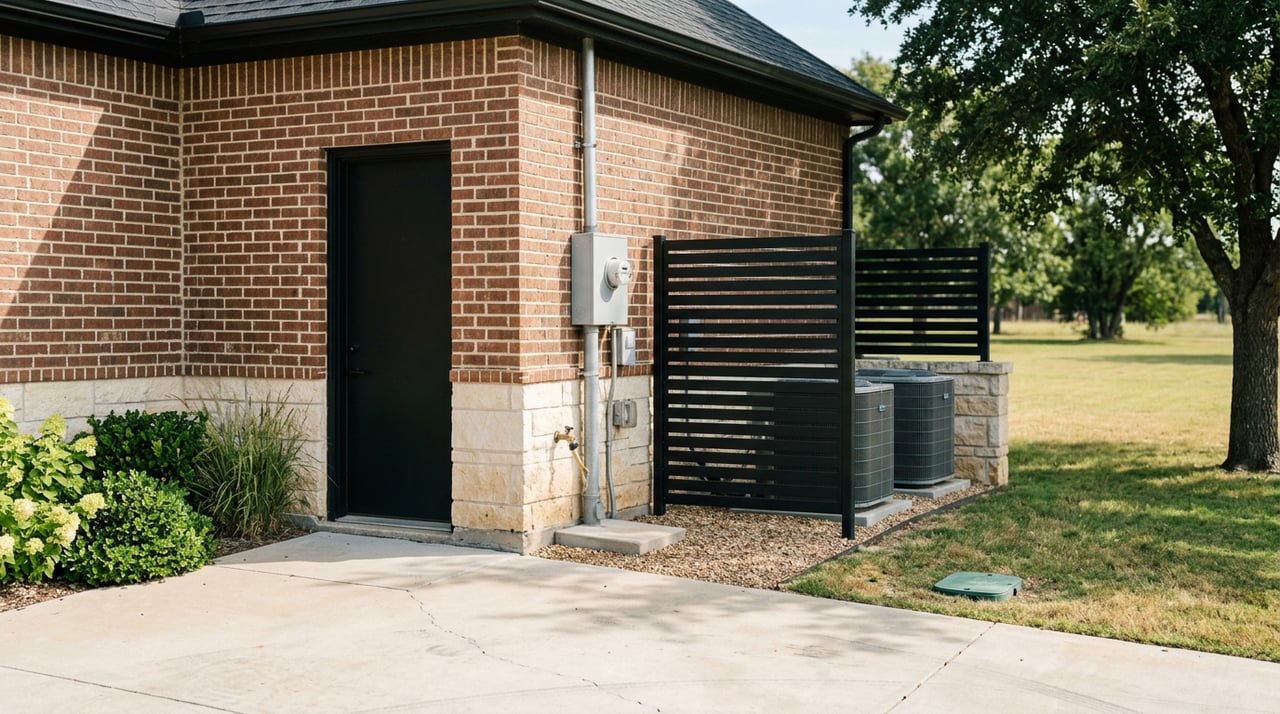
- Electricity: Confirm provider, location of the nearest service point, and capacity at the meter. Ask about amps available, and whether service is single‑phase or three‑phase if you plan to power a shop or heavy equipment. Clarify any line extension or upgrade costs.
- Heating fuel: Many acreage homes use propane or electric heat. If a propane tank is leased, get a copy of the lease and confirm how it transfers at closing. Ask for 12 months of fuel bills to understand seasonal costs.
- Internet and phone: Availability is address specific. Options can include satellite, fixed wireless, and limited DSL or fiber in pockets. Confirm upload and download speeds directly with providers before you rely on telework or streaming.
- Easements and access: Verify recorded utility easements, shared wells, and shared driveways in title. Make sure any access or utility easements you need are recorded and match how the property is used.
- Solid waste: Rural trash pickup varies. Confirm service providers and monthly costs.
Pre‑offer checklist
Use this quick list during showings and before you write an offer:
- Water source: public rural water or private well. If rural water, request the district’s membership form and fee schedule. If a line extension is needed, ask who pays and for a written estimate.
- Private well due diligence: obtain the well log, a recent pump test with GPM and drawdown, and lab results for bacteria and nitrate plus any site‑relevant contaminants. The OWRB well program is the state source for licensing and well records.
- Septic records: request DEQ authorization and final inspection documents, maintenance logs, and pumping receipts. If records are missing or the system is aging, include a septic inspection and, if needed, a soil profile during the inspection period. State rules are in DEQ Chapter 641.
- Utilities: confirm electric provider and service capacity, heating fuel type and tank ownership or lease terms, internet options and speeds, and solid waste service.
- Shared and recorded items: get copies of any shared well or driveway agreements. Ask your title company to flag recorded easements and any mineral or oil and gas encumbrances that could affect well or septic placement.
- Operating costs: request 12 months of bills for electric, propane, and water.
Recommended inspection contingencies
Build these into your offer so you can verify and negotiate based on findings:
- Well: an independent pump test measuring GPM and drawdown, plus a certified lab panel for bacteria and nitrate and any site‑relevant contaminants. Budget $100 to $400 for lab work and $300 to $1,000+ for well inspection and pump testing, aligned with the Oklahoma well owner guidance.
- Septic: a licensed inspection that opens the tank when possible, checks for surfacing, verifies alarms and ATU function, and reviews records. If system age or soil constraints raise questions, require a soil profile and a written replacement estimate. State standards are detailed in DEQ Chapter 641.
- Utilities: written confirmation from the electric utility on available service and any costs for new service or upgrades.
- Environmental flags: if oil and gas activity or past groundwater contamination is recorded nearby, verify whether a rural water extension is available by contacting the local district. See an example of state‑funded upgrades in the OWRB’s Logan County rural water improvements notice.
Budget snapshot
Here are typical Oklahoma ranges to help you plan. Always get site‑specific quotes:
- Rural water membership and tap: $0 to $5,000+ depending on transferability and line distance. Example membership shown at $2,000 by Logan County RWD #2.
- New domestic well: $8,000 to $25,000, depth and geology dependent. See DrillerDB’s Oklahoma guide.
- Well inspection and lab: $400 to $1,200 combined, depending on panel and contractor.
- Septic inspection and pump out: $150 to $700 for inspection and pumping. New or replacement systems: $3,600 to $20,000+, with national install averages from HomeAdvisor.
Red flags to investigate or reconsider
- No DEQ permit or final inspection on an existing septic, or missing maintenance records on an ATU.
- No well log, unknown well depth or flow, or water tests showing bacterial contamination or elevated nitrate or solids.
- Evidence of nearby brine or groundwater contamination without a clear remediation plan or rural water availability.
Your next steps
Buying acreage is exciting, and the right due diligence protects your comfort and budget. Confirm your water source and costs, get septic records and an expert inspection, and verify power capacity and easements before you commit. If you want a local, team‑based guide to help you line up the right inspections and negotiate repairs or credits, connect with Allison Wanjon. Begin Your Story at Home.
FAQs
What does rural water membership cost near Crescent, OK?
- Logan County RWD #2 lists a nonrefundable $2,000 membership fee, with possible extra tap or impact charges, so request the current membership form and rates from the district.
How do I check a private well’s safety before buying in Logan County?
- Ask for the well log, a recent pump test with flow and drawdown, and certified lab results for bacteria, nitrate, and any site‑relevant contaminants, then confirm records with the state well program.
Who regulates septic systems for homes around Crescent, OK?
- The Oklahoma Department of Environmental Quality (DEQ) regulates on‑site sewage, issues permits, and keeps records, and you should request the DEQ authorization and final inspection forms.
How much does a new septic system usually cost in Oklahoma?
- Typical installs range from about $3,600 to $15,000+ depending on system type and site, with national averages near $8,030 and higher costs for aerobic or engineered systems.
What utilities should I confirm if I plan to build a shop or barn?
- Confirm electric provider, service capacity in amps, and whether single‑ or three‑phase is available, plus any line extension fees and the location of recorded utility easements.
What are common red flags with wells and septic on acreage?
- Missing DEQ septic permits or maintenance records, lack of a well log or pump test, and water tests showing contamination are all reasons to pause and investigate further.