If you’re getting ready to sell your Piedmont home, it’s easy to feel like there are too many moving parts at once. You want the right price, the right timing, and a smooth path from listing day to closing day. The good news is that when you break the process into clear steps, selling feels much more manageable. Let’s walk through a simple step-by-step plan for selling your Piedmont home.
Understand the Piedmont market first
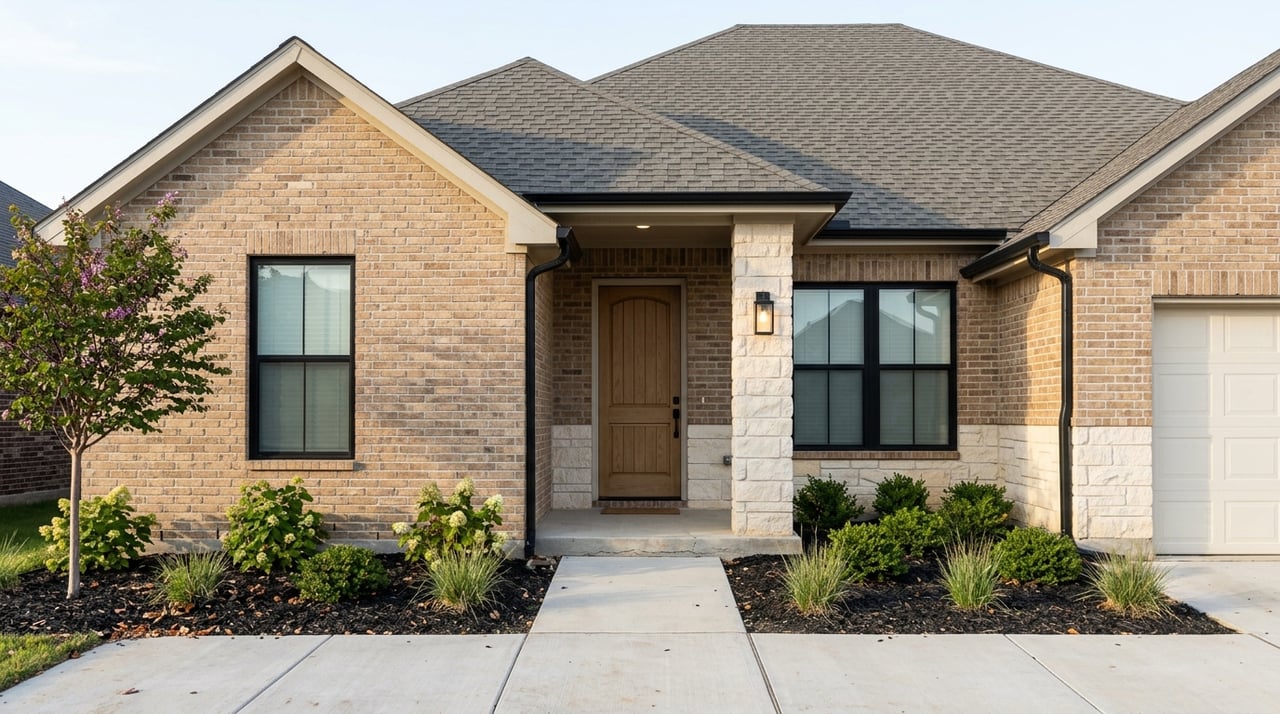
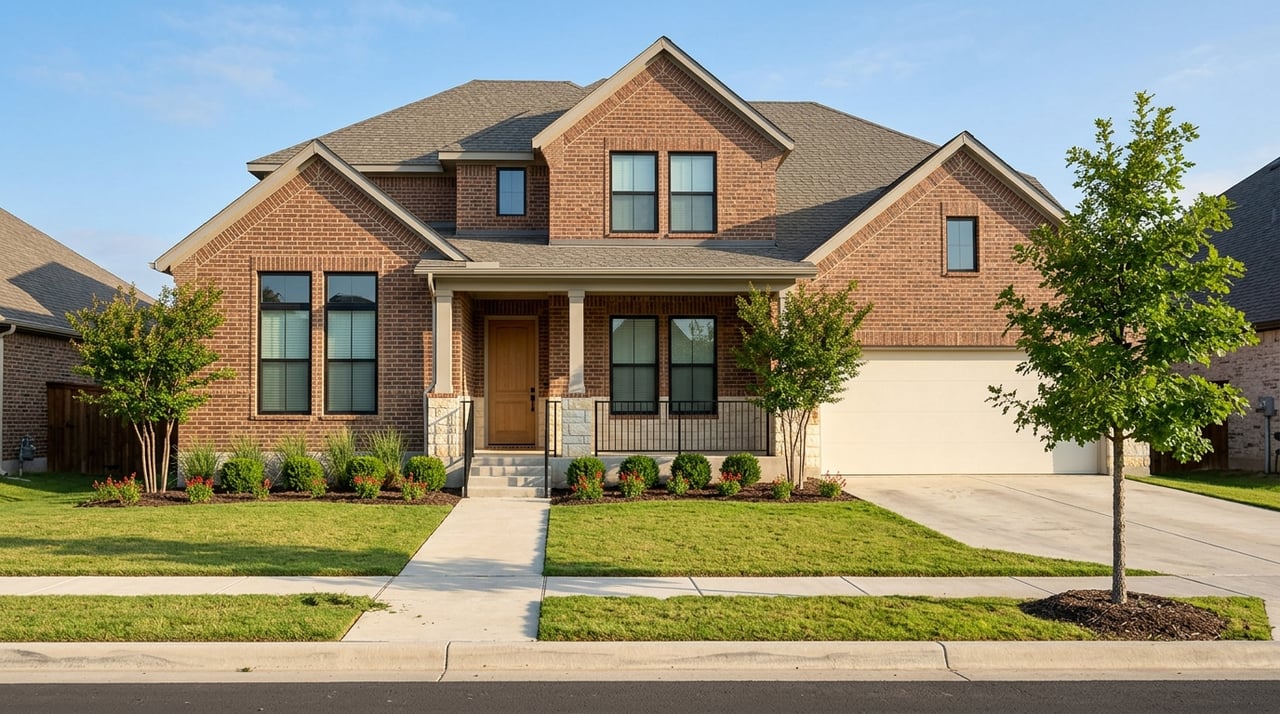
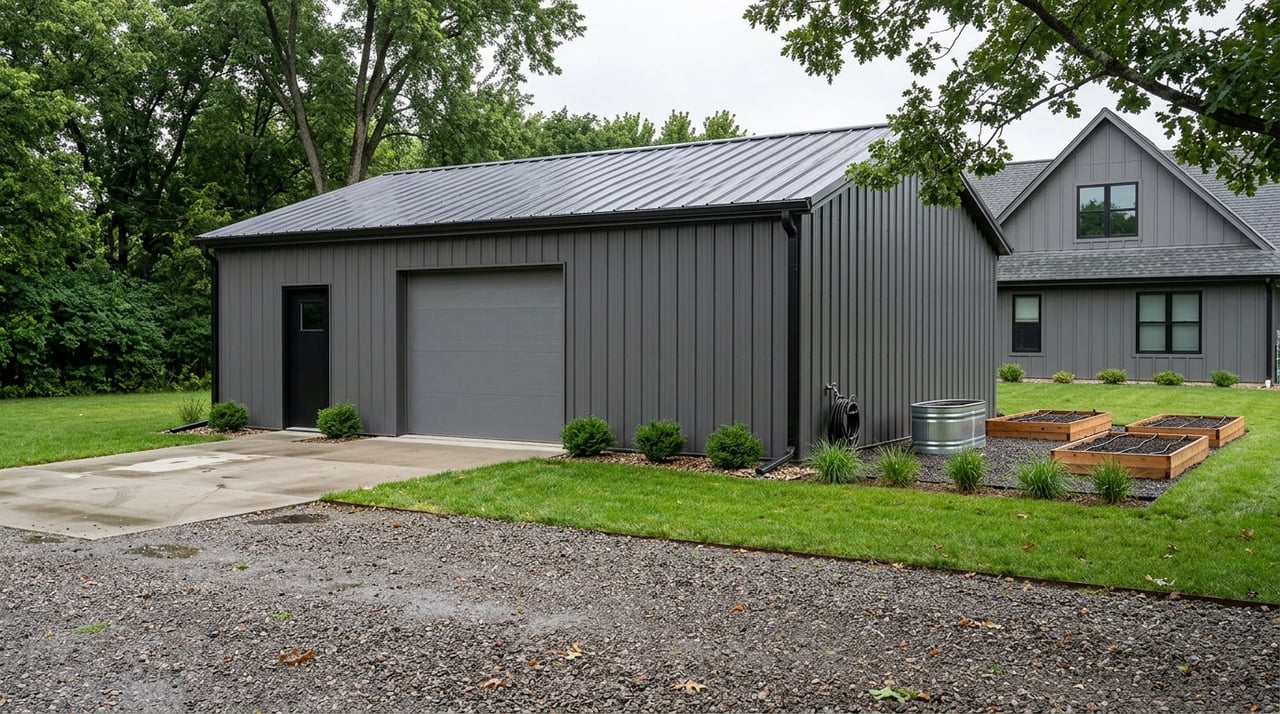
Piedmont is part of the Oklahoma City metro and is known for offering a mix of property types across more than 43 square miles. That matters when you sell because a standard neighborhood home, a larger-lot property, and a more rural-style home may each need a different strategy.
Current public market snapshots also show why local pricing matters. One source reports a median listing price of $363,900, while another reports a median sale price of $460,000. Since those figures measure different things, they are best used as a reminder that your price should be based on current comparable sales, competition, and your home’s condition rather than one online estimate.
Another key data point is timing. Realtor.com reports a median time on market of 74 days in Piedmont, along with a 100% sale-to-list ratio. That suggests buyers are paying attention to value, and homes that are priced and presented well may still negotiate cleanly when they match market expectations.
Step 1: Start with a listing consultation
Before your home goes live, your first move should be to meet with your real estate team. This early conversation helps you map out the process, review timing, and make a plan for pricing, preparation, and paperwork.
This step is especially helpful in Piedmont because the market is not one-size-fits-all. If your home sits on acreage, has unique features, or competes in a higher price range, your launch plan may look different than a more typical suburban resale. A team-based approach can help you stay organized from the start.
Step 2: Gather disclosures and key details
In Oklahoma, sellers of one- and two-unit residential properties must provide either a Property Condition Disclosure Statement or a Disclaimer Statement. The form must be signed and dated by the seller, and the date cannot be more than 180 days old when the buyer receives it. The form instructions also say the disclosure or disclaimer should be delivered before an offer is accepted.
If your home was built before 1978, lead-based paint disclosure rules also apply. Getting these documents handled early can prevent delays later and helps you move forward with confidence.
This is also the right time to decide what stays with the home. Oklahoma’s residential sale contract treats many attached items as included unless they are excluded in writing, such as fixtures, lighting, built-in appliances, sprinkler systems, pool or spa equipment, and gate controls.
What to decide before listing
- Which repairs, if any, you want to make before going live
- What fixtures or attached items will stay with the property
- Whether any items need to be clearly excluded in writing
- What details should be disclosed upfront
- Your ideal timeline for showings, move-out, and closing
Step 3: Review price and net proceeds
Price is one of the biggest decisions you’ll make, and it should support both your market position and your bottom line. In Oklahoma, current contract resources include an Estimated Net to Seller form, which reinforces how important it is to understand your likely proceeds early in the process.
That means your pricing conversation should go beyond, “What do I want to list for?” It should also answer, “What could I reasonably walk away with after expenses?” When you understand both market value and net proceeds, you can make smarter decisions from day one.
In Piedmont, pricing accuracy matters because buyers can compare a wide range of homes and property styles. If a home is listed above competing inventory without enough support in condition or features, the market may respond slowly. If it is priced in line with local comparables and presented well, you put yourself in a stronger position.
Step 4: Triage repairs and prep the home
Once pricing is in motion, focus on preparation. This stage usually includes repair triage, decluttering, cleaning, and making the home ready for photos and showings.
Not every home needs a long renovation list. In many cases, the best return comes from handling obvious maintenance issues, simplifying rooms, and helping buyers see the property clearly. Your real estate team can help you separate necessary fixes from updates that may not add value.
OREC’s consumer guidance also emphasizes honest disclosures and keeping the home clean for inspections and walkthroughs. That same mindset helps at the listing stage too. A clean, well-prepared home is easier to market and easier for buyers to evaluate.
Step 5: Stage, photograph, and launch
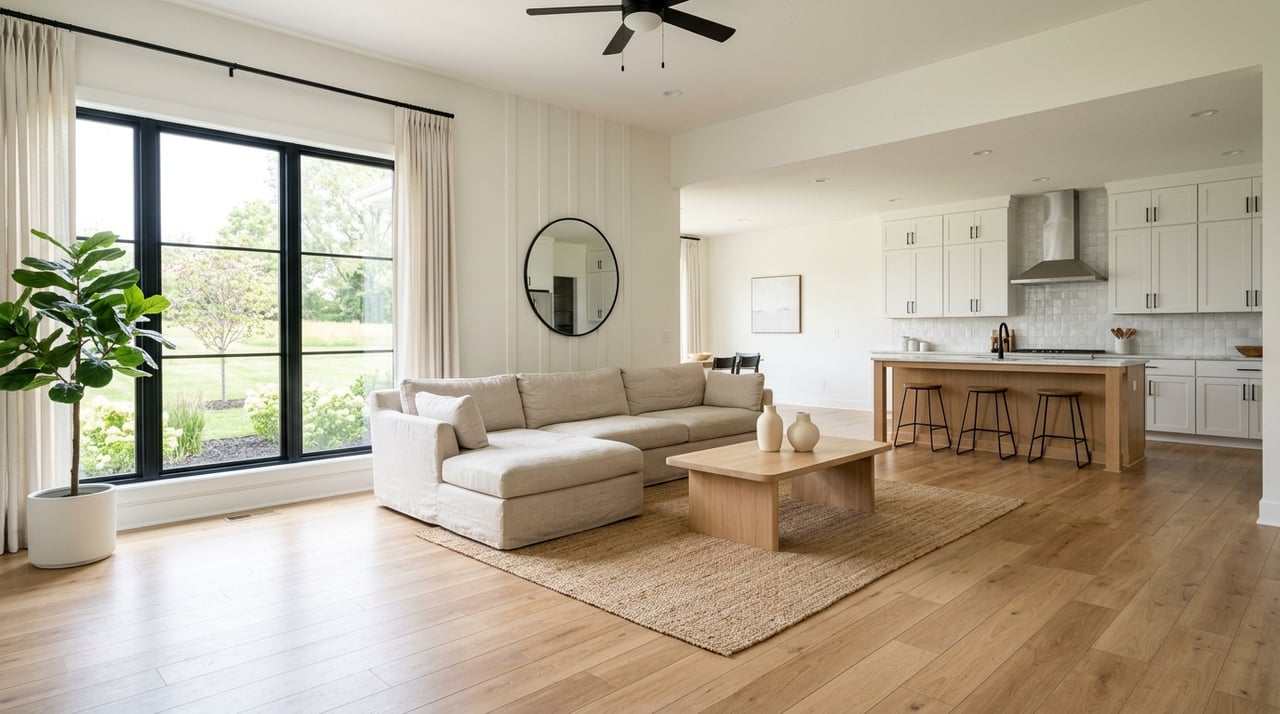
After the prep work is done, it’s time to package the home for the market. This phase typically includes staging guidance, professional photography, and final listing details before going live.
This is where presentation matters. In a market like Piedmont, where buyers may be comparing newer suburban homes, larger lots, and more rural properties, your listing needs to clearly show what makes your home stand out. Strong visuals and a thoughtful launch can help attract serious interest sooner.
A clear sequence for this phase looks like this:
- Final consultation and pricing review
- Disclosure review
- Repair and prep checklist
- Decluttering and staging
- Photography and listing launch
Step 6: Make showings easy
Once your home is active, accessibility becomes important. Buyers need reasonable access to view the property and complete their inspections and reviews if they move forward.
In Oklahoma, the residential sale contract provides for buyer access for investigations, inspections, and reviews. The contract also says the seller must keep water, gas, and electricity turned on and serving the property through the date of possession or closing, whichever comes first.
That means it helps to keep your home showing-ready and functional while it is listed and under contract. The easier it is for buyers to see and inspect the home, the smoother the process tends to be.
Showing-day basics
- Keep utilities on
- Keep the home tidy and easy to access
- Be ready for short-notice showings when possible
- Make sure important systems are operating normally
- Stay in communication with your real estate team
Step 7: Negotiate the offer and contract terms
When an offer comes in, the process moves from marketing to negotiation. OREC summarizes the seller process in a clear order: written offer, negotiation, contract, repairs if needed, then closing.
At this point, price is only one part of the conversation. You may also review timing, contingencies, repair expectations, included items, and the overall strength of the buyer’s terms.
A clean offer is not always the highest offer on paper. What matters is how the full contract fits your goals, timing, and comfort level. This is where good communication and a steady process can make a big difference.
Step 8: Manage inspections and repair discussions
After the contract is signed, the buyer usually enters the investigation period. Under the standard Oklahoma residential sale form, if the time is left blank, the buyer has 10 days after the Time Reference Date to complete investigations, inspections, and reviews.
This is often one of the most stressful parts of the sale, but it helps to know what to expect. The buyer may request repairs or other resolutions based on inspection findings, and there may be back-and-forth during that time.
The OREC contract guide notes that if repair negotiations do not resolve during the contract time period, the contract may terminate and the earnest money is returned to the buyer. That is why deadlines, clear responses, and practical decision-making matter so much once you are under contract.
Step 9: Work through title and closing details
While inspection items are being addressed, title work also moves forward. According to the Oklahoma contract guide, the seller should make the abstract of title available to the title closing company so it can be brought up to date.
The buyer may obtain title insurance or an attorney’s title opinion. If title objections come up, the contract can allow the closing date to be extended by 30 days if left blank. The guide also explains that some common items are not treated as title objections, including utility easements, recorded restrictions, setback and building lines, zoning regulations, and reserved or severed mineral rights.
This part of the process is very deadline-driven. Staying responsive and organized helps protect your closing timeline and reduces surprises late in the transaction.
Step 10: Prepare for final walk-through and closing
As closing gets closer, the buyer may re-inspect any treatments, repairs, or replacements and complete a final walk-through. This is a standard part of the Oklahoma process and gives the buyer a chance to confirm the home is in the agreed condition.
At this stage, your job is to keep the home in contract condition, complete any agreed items, and stay aligned with your closing team. OREC’s seller guidance sums up the final phase simply: close the sale after the contract and repairs are complete.
For most sellers, this is where all the earlier planning pays off. If pricing, paperwork, prep, communication, and deadlines were handled well, the path to the closing table is much smoother.
Why a step-by-step plan matters in Piedmont
Piedmont gives sellers real opportunity, but it also calls for a strategy that fits the property. With homes ranging from neighborhood resales to larger-lot and rural-style properties, the details of your launch can have a big impact on both timing and results.
That is why a structured plan matters. You do not have to juggle disclosures, pricing, photos, showings, inspections, title work, and closing on your own. With the right support, you can move through each phase with more clarity and less stress.
If you’re thinking about selling in Piedmont and want a clear plan tailored to your home, Allison Wanjon is here to help you take the next step with confidence.
FAQs
What is the first step to sell a home in Piedmont, Oklahoma?
- The first step is to schedule a listing consultation so you can review pricing, timing, disclosures, property prep, and your overall selling plan.
What disclosures do sellers need for a Piedmont home sale?
- Oklahoma sellers of one- and two-unit residential properties generally must provide either a Property Condition Disclosure Statement or a Disclaimer Statement, and if the home was built before 1978, lead-based paint disclosure rules also apply.
How should I price my Piedmont home for sale?
- Your price should be based on current local comparable sales, competing inventory, your home’s condition, and your estimated net proceeds rather than relying on a single online estimate.
What items stay with a Piedmont home when it sells?
- In Oklahoma, many attached items are generally included unless excluded in writing, such as fixtures, lighting, built-in appliances, sprinkler systems, pool or spa equipment, and gate controls.
How long do buyers have for inspections in an Oklahoma home sale?
- Under the standard Oklahoma residential sale form, buyers generally have 10 days to complete investigations, inspections, and reviews if that timeframe is left blank in the contract.
What happens after my Piedmont home goes under contract?
- The process usually moves through inspections and reviews, repair discussions if needed, title work, any re-inspections or final walk-through, and then closing.