If you are thinking about a move to Piedmont, you probably want to know what everyday life actually feels like once the boxes are unpacked. That is especially true if you are balancing work, school schedules, errands, and the kind of neighborhood setting that fits your stage of life. The good news is that Piedmont offers a mix of small-town rhythm, growing amenities, and easy access to the broader metro. Let’s dive in.
Piedmont at a Glance
Piedmont is growing, but it still feels grounded in day-to-day routines instead of nonstop activity. The city spans 43.4 square miles and had an estimated 9,092 residents as of July 1, 2024, up from 7,402 in 2020. That kind of growth often signals a community people are actively choosing.
You also see that in the housing picture. Census data shows a 91.4% owner-occupied housing rate, 2.91 persons per household, and a median owner-occupied home value of $330,100. In practical terms, Piedmont tends to appeal to people looking for a place to settle in, not just pass through.
Daily Pace in Piedmont
Life in Piedmont usually moves at a comfortable, organized pace. The city notes access through the Kilpatrick Turnpike and Northwest Highway corridors, and its new-residents information says you are only minutes from major employers, airports, shopping, and health centers. That gives you breathing room at home while keeping metro destinations within reach.
At the same time, daily life is still shaped by driving. The mean travel time to work is 30.4 minutes, which gives you a sense of the normal commute pattern. For many households, the week will likely revolve around school drop-offs, work commutes, grocery runs, and planned trips into nearby retail areas.
If you work from home at least part of the week, Piedmont may also feel practical. Census data shows a 97.8% broadband subscription rate, which supports remote and hybrid work for many households. That can make a big difference if you need flexibility between home life and your workday.
School Schedules Shape the Week
For many households, school routines play a major role in what daily living looks like in Piedmont. Piedmont Public Schools covers 96 square miles, includes seven school sites, serves more than 5,500 students, and has about 800 employees. That district footprint means school-related traffic, activity calendars, and pickup routines are a real part of the local rhythm.
The district publishes different start and end times by grade level. PK through kindergarten runs from 8:30 a.m. to 3:30 p.m., grades 1 through 4 run from 8:45 a.m. to 3:45 p.m., and grades 5 through 12 run from 7:50 a.m. to 2:50 p.m. If you are planning your workday or after-school care, those time blocks matter.
School assignment depends on your home address, and the district provides a bus-stop lookup by address. That is one reason location inside Piedmont can have a real impact on your routine. Two homes in the same city can mean different school assignments, bus access, and drive times.
Outside the classroom, the district offers a wide range of student activities. The district lists sports, clubs, concurrent enrollment, career tech, internships, and specials like art, STEM, physical education, and music. At the middle school level, activities include athletics such as basketball, soccer, volleyball, wrestling, baseball, football, tennis, golf, softball, track and field, and cross country, along with co-curricular options like band, photography, publications, stagecraft, vocal music, FCCLA, and student council.
Parks and Outdoor Time
Piedmont’s parks and recreation spaces help anchor everyday life, especially if you enjoy getting out of the house without planning a long drive. The city says its parks and recreation system includes a community center, a splash pad, and a neighborhood park, and it also sponsors several events and activities. That gives you places to break up the week with simple, local outings.
Piedmont Community Park includes a playground, pavilion, picnic areas, basketball and volleyball courts, and restrooms. Park hours run from 6 a.m. to 10 p.m., which gives you options for morning walks, after-school park time, or evening meetups. The Civic Center also offers meeting rooms, a full kitchen, tables, parking, and restrooms, which supports community gatherings and local events.
City planning documents also show that these spaces are actively used and maintained. In a February 2025 Park and Recreation Board agenda, the city discussed splash pad repairs, work days at the community park, security and bathrooms, and baseball fields. That points to facilities people use regularly enough to keep them on the city’s radar.
Trails and Getting Around
Piedmont is also thinking long term about how residents move through the community. The city’s Master Trails Plan is designed to connect neighborhoods, create safer routes downtown and to schools, and build a more continuous trail network. That matters if you want more options for walking or biking close to home.
The priority map ties routes to places like Olde Town, Piedmont Park, Winding Creek, Eastwind Estates, Rolling Prairie Estates, Skyline Estates, and school connectors such as the Intermediate School Trail and High School Trail. In everyday terms, some parts of Piedmont may feel more connected than others as trail improvements continue. If walkability or bike access matters to you, neighborhood-level details are worth a closer look.
Errands and Weekly Logistics
One of the clearest things to expect in Piedmont is a mix of local convenience and metro-area errand planning. The city’s retail market report shows leakage in grocery, foodservice, general merchandise, and gas and convenience categories. That suggests many residents handle some routine shopping locally and some in nearby Oklahoma City or Yukon-area retail centers.
This is not unusual for a growing community. It simply means your weekly pattern may include both quick in-town stops and a larger planned shopping trip elsewhere. If you prefer having every errand within a few minutes, that is important to factor in before you move.
Piedmont does offer practical local resources that support everyday needs. The local library serves as a community hub and offers story hours plus copying, faxing, and computer services. Current library hours are Tuesday through Friday from 10 a.m. to 6 p.m. and Saturday from 9 a.m. to 12 p.m.
City services also play a visible role in daily life. Alerts cover severe weather, road construction and repair, large water problems, trash delays, and special community announcements. Trash should be set out by 6 a.m., and the city offers spring and fall clean-up days, online bill pay, and service requests, while Public Works maintains streets, traffic control, and water and wastewater lines and stays on call 24/7 for emergencies.
Community Rhythm and Local Involvement
In Piedmont, the weekly calendar often includes more than just work and errands. Community gathering spaces, city updates, and recurring local meetings all help shape the town’s rhythm. City offices are open Monday through Thursday from 7:30 a.m. to 5:30 p.m. and Friday from 7:30 a.m. to 11:30 a.m., which is useful to know if you need in-person help.
The city newsletter notes that Planning and Zoning meets on the first Monday of each month, and City Council and PMA meet on the fourth Monday. That gives residents a steady way to stay involved in growth and local decisions. In a growing place like Piedmont, that kind of civic rhythm often matters more than people expect.
Some residents also organize their week around faith-based activities and local ministries. For example, First Baptist Church of Piedmont lists Sunday School, Sunday morning worship, Sunday evening classes, a Wednesday meal, Wednesday classes, and children and student ministries. Piedmont Church of the Nazarene also lists children’s ministry, youth ministry, Upward sports, Vacation Bible School, and Sunday and Wednesday worship times.
How Life Can Feel by Home Type
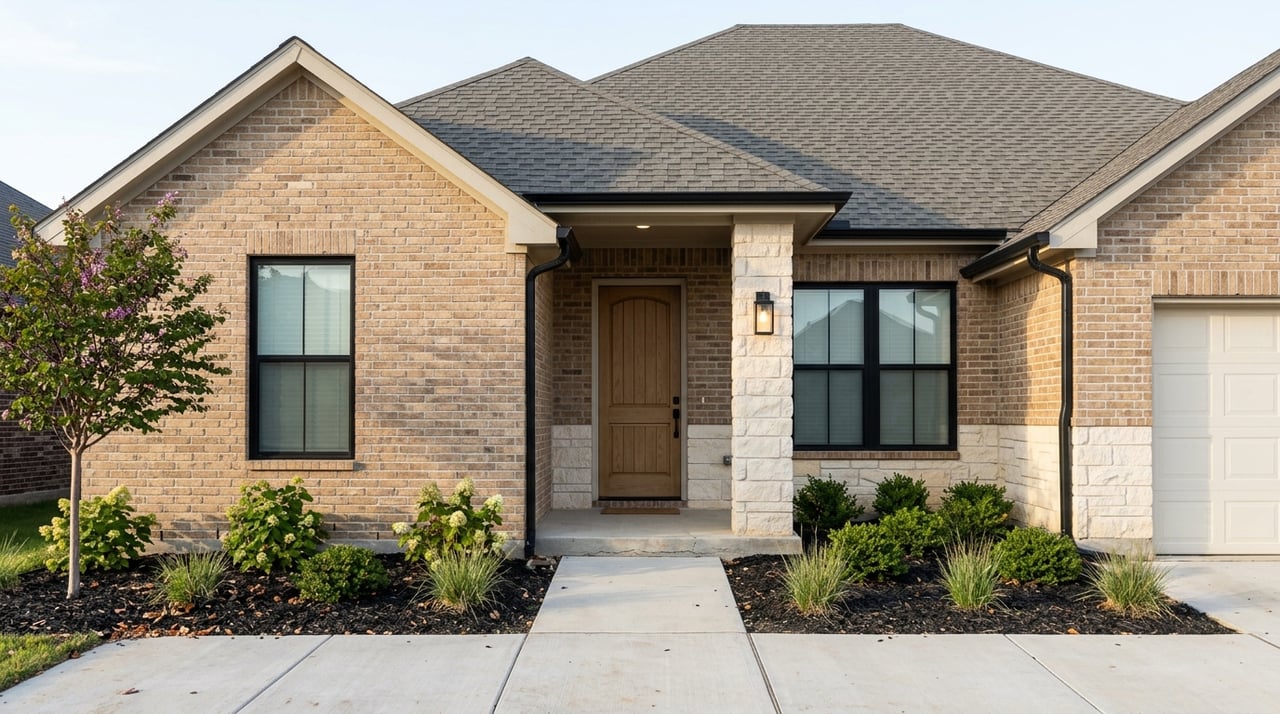
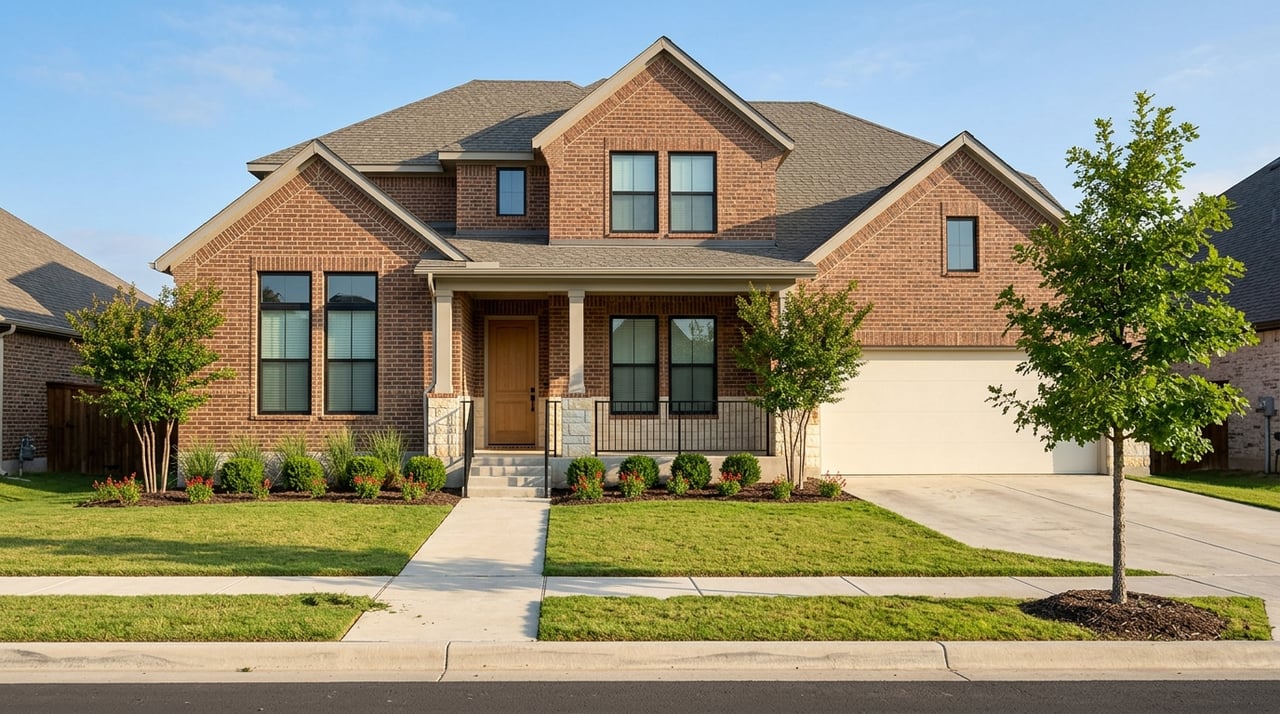
One of Piedmont’s biggest strengths is that it offers a range of living environments within the same community. The city describes lot sizes ranging from 7,500-square-foot urban lots to one-half-acre and five-acre rural residential sites, with farms and ranches at 10 acres and up. That gives you options depending on how much space, privacy, or land you want.
For buyers who want a more neighborhood-centered routine, school-zone assignment, bus stops, park access, and trail connections may matter most. The district’s address-based school placement and the city’s school-focused trail planning both make location a practical part of daily living. A house that looks great on paper may feel very different depending on how it fits your actual routine.
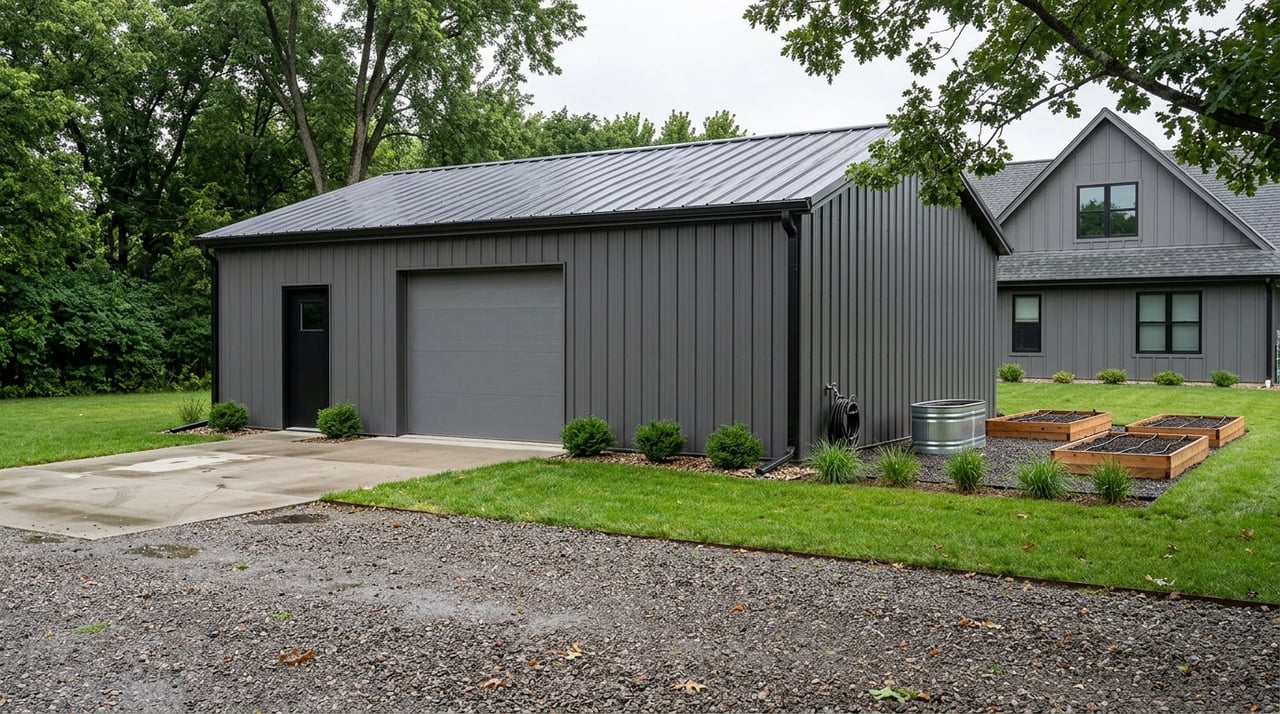
For move-up buyers or acreage buyers, Piedmont offers a clear in-town-to-rural gradient. The city also notes that building sites and topography vary widely, from river valleys to hills and canyons. That means the feel of one area can shift quickly from a more traditional subdivision setting to a more open, rural edge.
For downsizers or buyers looking for a quieter pattern, Piedmont may feel appealing because the residential base appears relatively stable. Census figures show 91.5% of residents lived in the same house one year ago. Combined with the high owner-occupied rate, that points to a community where many households stay put and build routines over time.
What to Expect Before You Move
If you are considering Piedmont, it helps to picture your normal Tuesday instead of just your ideal weekend. Think about commute time, school pickup, how often you want park access, whether you need trail connections, and where you prefer to handle grocery and household errands. Those details often tell you more about fit than a home’s square footage alone.
Piedmont can be a strong match if you want room to breathe, access to the metro, and a lifestyle built around home, community, and planned convenience. It is a place where neighborhood choice matters because your address can shape school routines, trail access, drive times, and even the overall feel of your day. When you understand those patterns upfront, you can make a more confident move.
If you want help comparing neighborhoods, in-town homes, or acreage options in Piedmont, Allison Wanjon and her team are here to help you find the right fit for your day-to-day life.
FAQs
What is daily life like in Piedmont, Oklahoma?
- Daily life in Piedmont is typically organized around commuting, school schedules, errands, and community activities, with a small-town feel and convenient access to the broader metro.
What should homebuyers know about schools in Piedmont?
- Piedmont Public Schools assigns schools based on home address, and start and end times vary by grade level, so your location can affect your daily routine.
What parks and outdoor amenities are available in Piedmont?
- Piedmont offers a community park, splash pad, community center, playgrounds, picnic areas, sports courts, and a trail plan that aims to improve connections between neighborhoods, schools, and town destinations.
What are errands like for residents in Piedmont?
- Many residents combine local stops with trips to nearby metro retail areas for groceries, dining, general merchandise, and convenience needs.
What types of homes and properties can you find in Piedmont?
- Piedmont includes a range of property types, from in-town lots around 7,500 square feet to half-acre and five-acre residential sites, plus farms and ranches of 10 acres or more.