25,268 people live in Guthrie, where the median age is 41.6 and the average individual income is $34,676. Data provided by the U.S. Census Bureau.
Total Population
Median Age
Population Density Population Density This is the number of people per square mile in a neighborhood.
Average individual Income
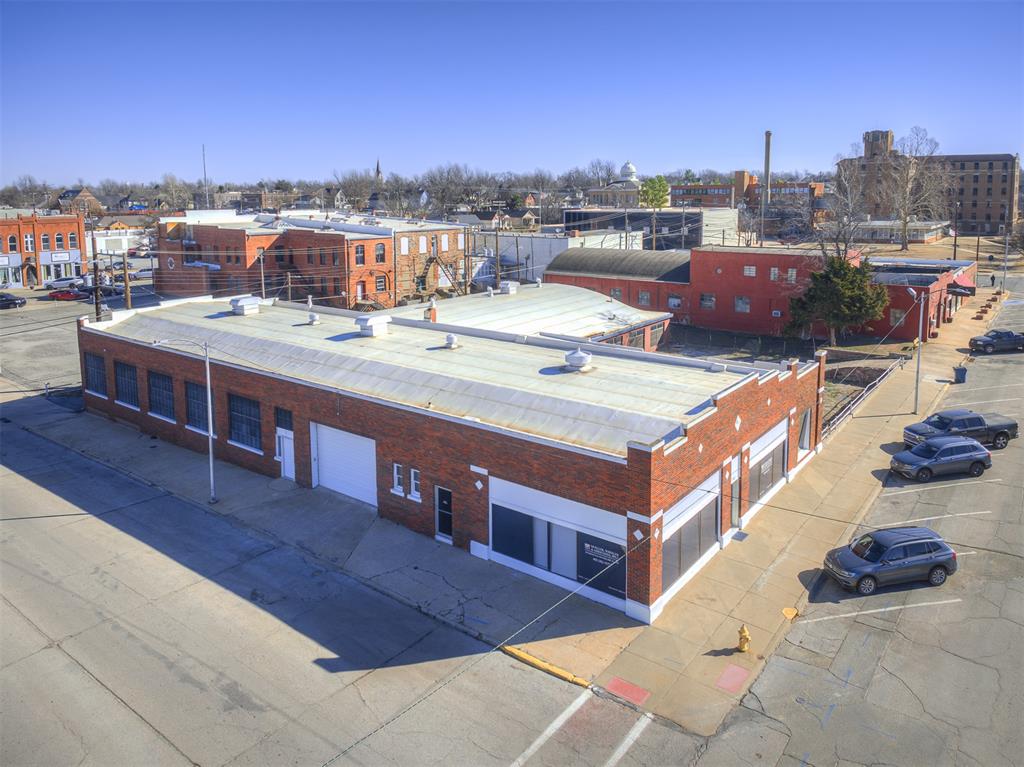
Guthrie, Oklahoma is the kind of place that makes you stop mid-sentence and ask how something this intact still exists. While most American towns of comparable age have been reshaped by waves of demolition and modernization, Guthrie emerged from the 20th century almost exactly as the 19th century left it. The result is the largest National Historic Landmark District in the United States — not a curated block or two, but an entire functioning city where Victorian-era commercial buildings, Queen Anne mansions, and Craftsman bungalows line the streets in uninterrupted succession.
But Guthrie is not a museum town. It is an active, evolving community with a distinct dual identity. The historic downtown core pulses with local restaurants, artisan shops, professional theater, and seasonal festivals that draw visitors from across the state. Meanwhile, the southern and western edges of the city are absorbing new suburban development, pulling in commuters and remote workers who want proximity to Oklahoma City without sacrificing space, character, or affordability. The tension between these two personalities — preserved history and modern growth — is precisely what makes Guthrie one of the most compelling residential markets in central Oklahoma.
If you value a place where your neighbors sit on their front porches, where locally roasted coffee is served inside a century-old brick building, and where you can drive 35 miles south and be in a major metro by the time your morning coffee cools down, Guthrie deserves serious attention.
Few American cities have an origin story as dramatic as Guthrie's. On April 22, 1889, the federal government opened a portion of Indian Territory to settlement in what became known as the Land Run. By the end of that single afternoon, a former railroad water stop had transformed into a city of roughly 10,000 people. Guthrie was immediately designated the capital of the Oklahoma Territory, and with that designation came ambition, wealth, and the architectural confidence to match.
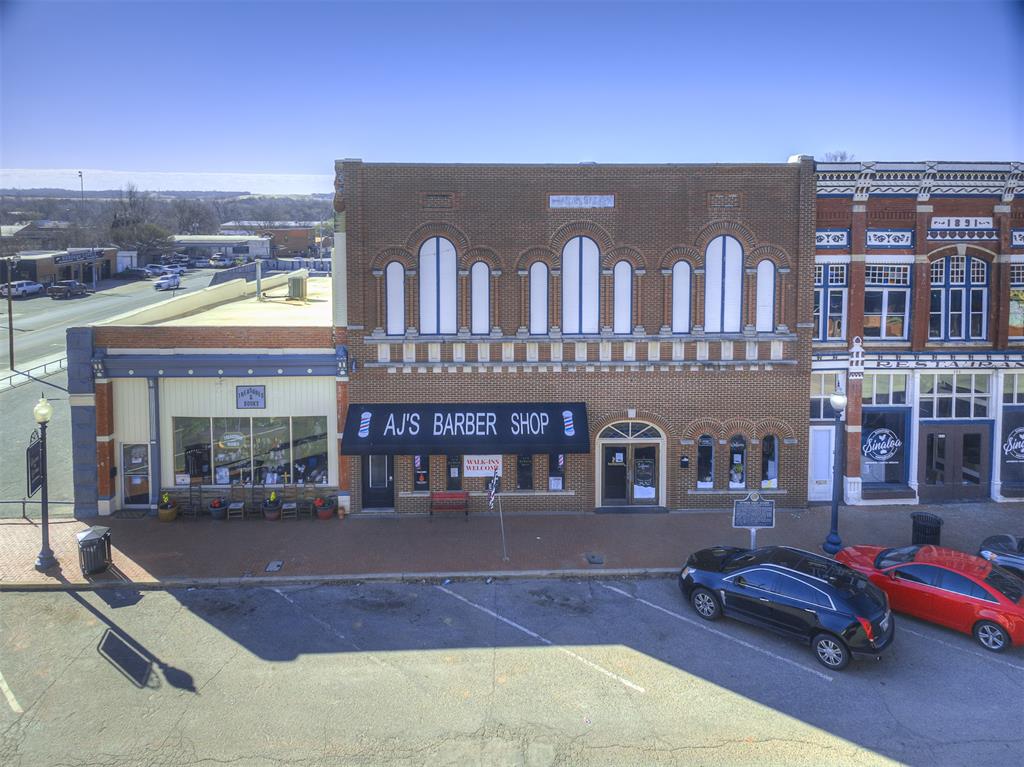
Throughout the 1890s and into the early 1900s, Guthrie became the political and commercial nerve center of what would become the state of Oklahoma. Merchants, lawyers, bankers, and territorial politicians poured money into the built environment. The streets filled with ornate brick and stone commercial blocks, grand civic buildings, and residential neighborhoods packed with towers, turrets, wraparound porches, and stained glass — the visual vocabulary of a city determined to prove itself worthy of the "Paris of the Plains" nickname it had claimed.
That ambition froze in 1910. A contentious statewide vote relocated the capital to Oklahoma City, and legend holds that the state seal was removed from Guthrie under cover of darkness to prevent any legal challenge. Stripped of its political commerce and the patronage economy that came with it, Guthrie's growth effectively stopped. What followed was not decay so much as suspension. The city did not have the economic momentum to tear down its Victorian core and replace it with mid-century modernism, as so many other American cities did. The buildings simply remained. When preservationists and historians began looking seriously at what Guthrie had, they found an extraordinarily complete record of late-19th century American urban architecture, earning the city its landmark designation.
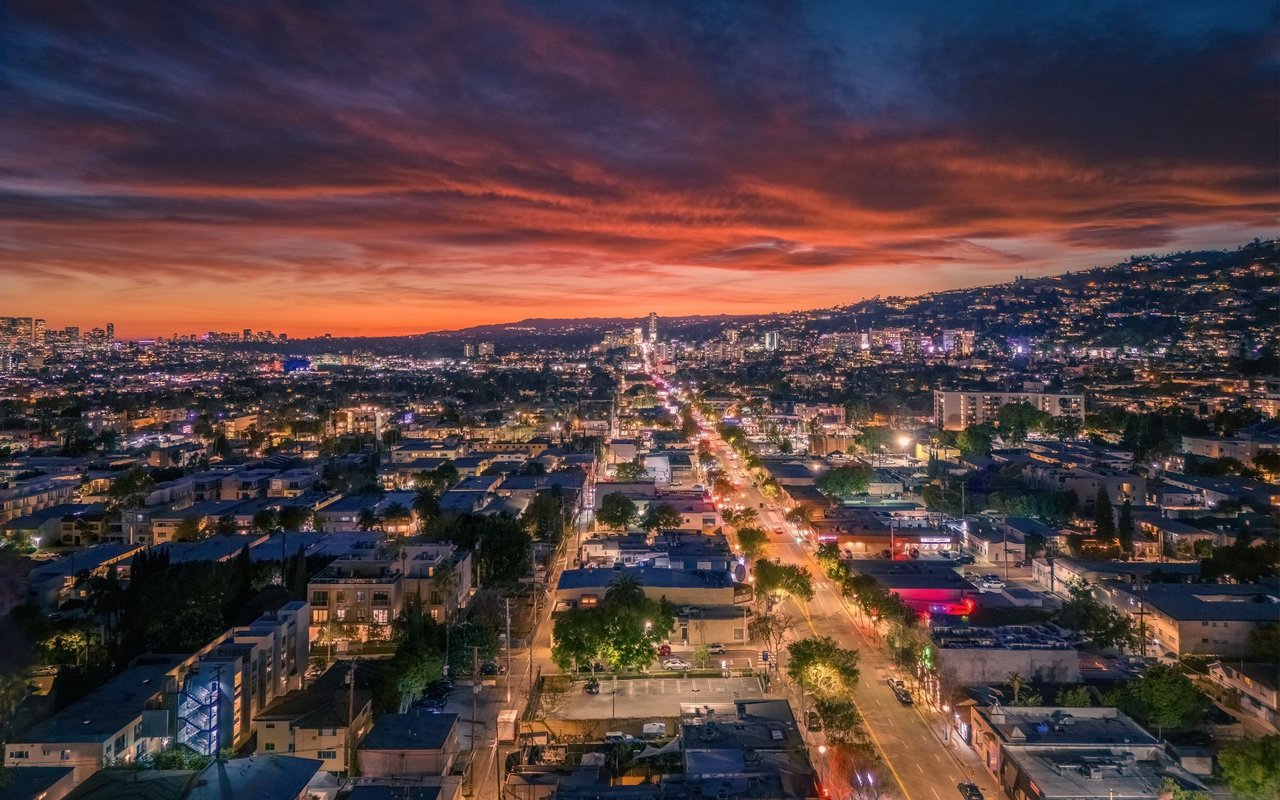
Guthrie sits in Logan County in central Oklahoma, functioning as both the county seat and the northern anchor of the Oklahoma City metropolitan statistical area. It lies approximately 32 miles north of downtown Oklahoma City, placing it well within practical commuting range while maintaining a clear psychological and geographic separation from the metro's sprawl.
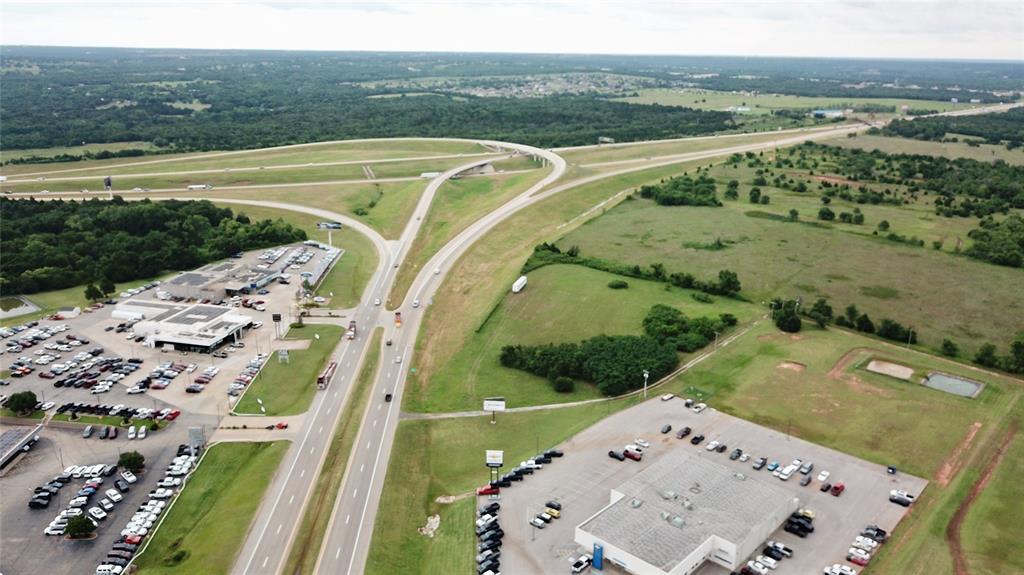
The city is threaded by Interstate 35 along its eastern edge and bisected north-to-south by US-77, which becomes Division Street through the commercial heart of town. State Highway 33 provides the primary east-west connection, linking Guthrie to Langston to the east and extending westward toward Kingfisher County.
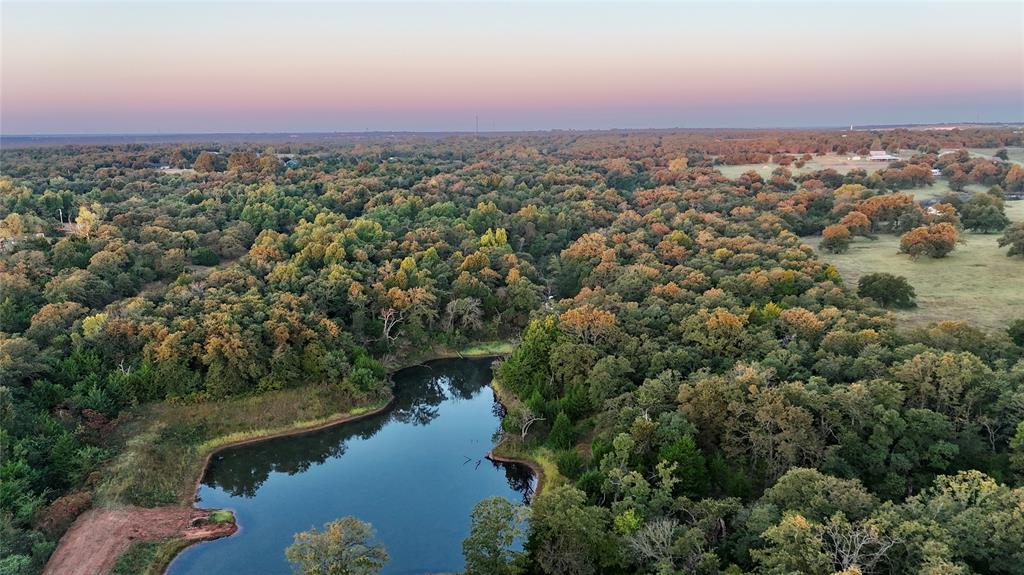
The landscape is characteristic of the Cross Timbers ecoregion, a transitional ecological zone between the heavily forested eastern United States and the open Great Plains. This means Guthrie's terrain is more varied and wooded than the flat, featureless prairie that many people associate with Oklahoma. The land rolls gently, red-clay soil alternates with sandstone outcroppings, and post oak and blackjack oak stands create pockets of genuine woodland. Cottonwood Creek winds through the city, contributing to both its green character and, in flood years, its hydrological challenges.
The climate is humid subtropical — summers push well past 90°F with meaningful humidity, winters bring cold wind and periodic ice storms, and spring arrives with the full volatility that comes with living squarely in Tornado Alley. For those moving from more temperate climates, the weather is perhaps the most significant adjustment Guthrie requires.
As of early 2026, Guthrie's real estate market has settled into a genuinely balanced condition after years of seller-side dominance that characterized the broader Oklahoma market during the early 2020s. This shift is meaningful for buyers, who now have substantially more leverage than they would have encountered even 18 months ago.
The median list price currently runs between $336,000 and $345,000, though the median sold price — the more operationally relevant figure — typically lands between $235,000 and $279,000 depending on property type, age, and location within the city. That gap between list and sale price is itself an indicator of a cooling market, one where sellers are still anchoring to peak-era expectations but transactions are closing at more sober figures.
Inventory has recovered meaningfully, with roughly 4.6 months of supply now available — a dramatic improvement from the constrained conditions of two or three years ago and a figure that sits right at the theoretical boundary between buyer and seller advantage. Homes are averaging 60 to 80 days on market before going under contract, and sellers are increasingly willing to offer concessions on closing costs and repairs that would have been unthinkable at the height of the 2021-2022 frenzy.
Appreciation has moderated to a range of roughly 0.5% to 2.2% year-over-year across most of the market, though this figure masks meaningful variation by segment. Renovated historic homes with modern mechanical systems can see appreciation spikes approaching 7% given their limited supply and genuinely irreplaceable character. New construction in the southern suburban developments tends to track the broader metro more closely and appreciates in line with regional benchmarks.
Guthrie offers one of the most genuinely diverse housing inventories in the state of Oklahoma, and understanding its four primary segments is essential to navigating the market intelligently.
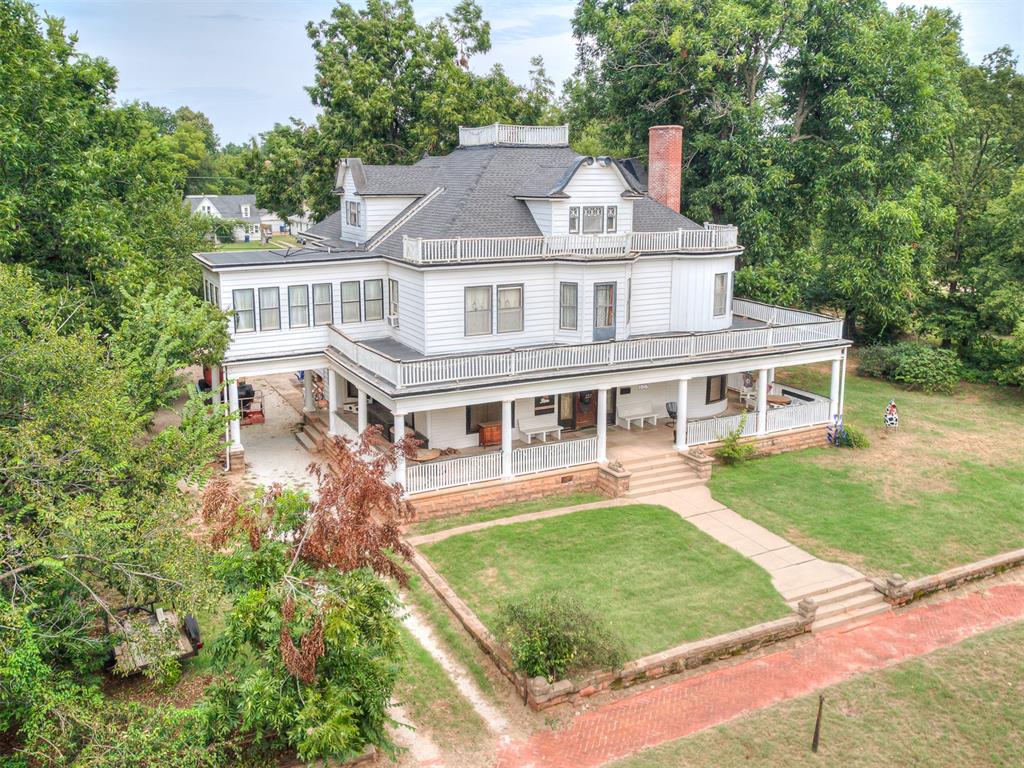
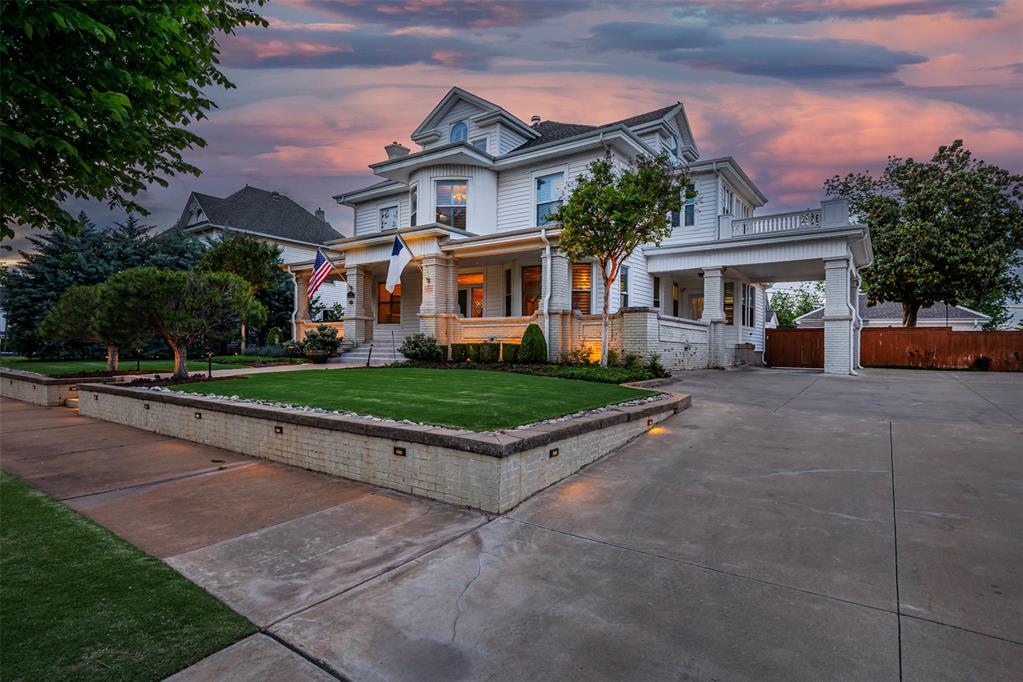
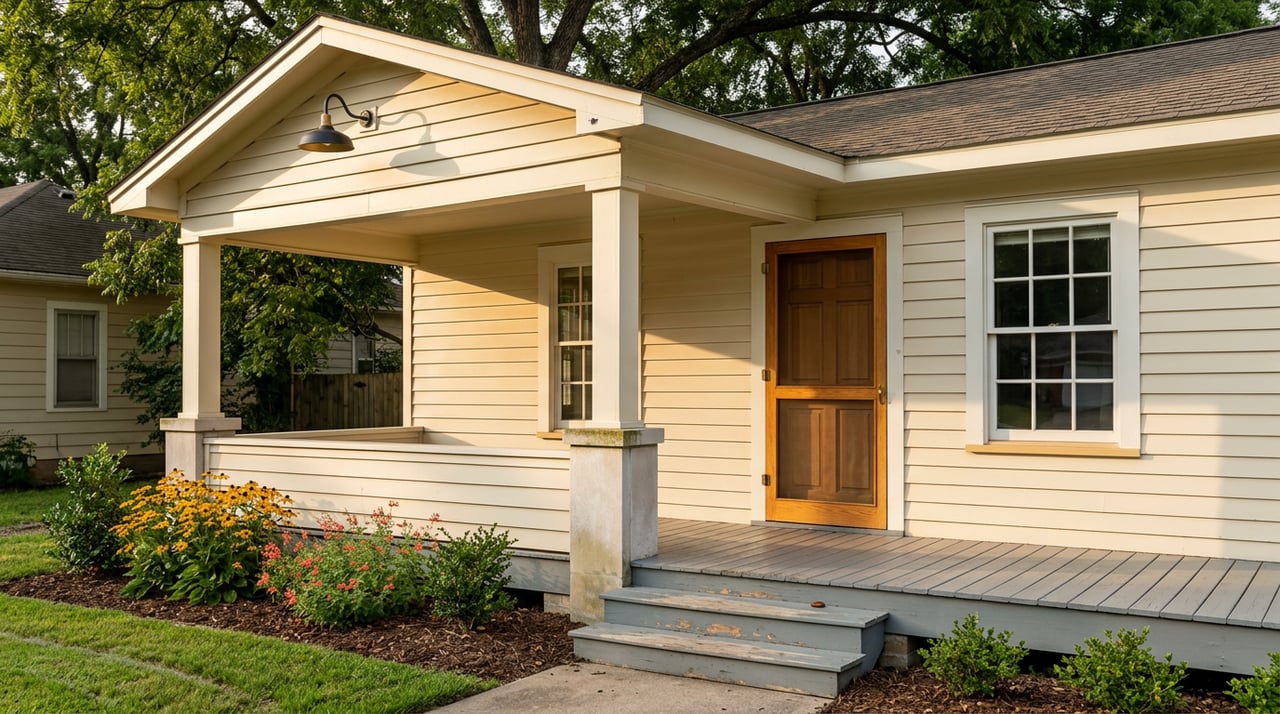
The historic Victorian and Craftsman stock is what most people think of when they imagine Guthrie real estate, and it remains the market's most distinctive and emotionally compelling segment. These homes range from modest 1920s bungalows in West Guthrie to massive five-thousand-square-foot Queen Anne mansions in the Historic District itself, complete with ornate millwork, 12-foot ceilings, original hardwood floors, wraparound porches, and stained glass windows that glow like lanterns at dusk. No other residential market in the region offers anything comparable to this inventory, and that scarcity premium is real and persistent.
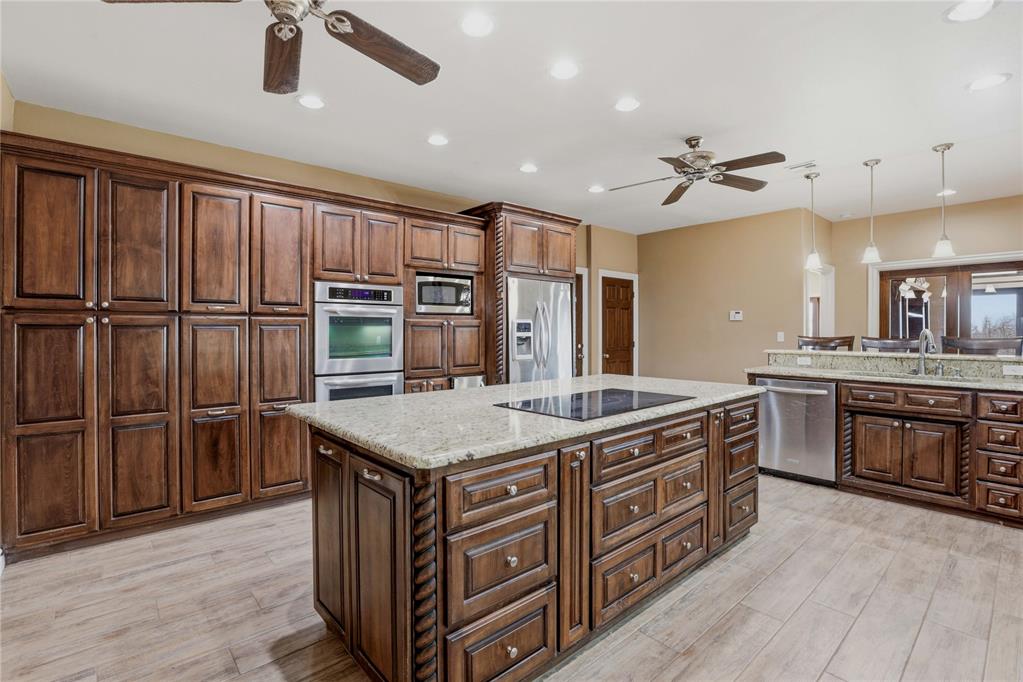
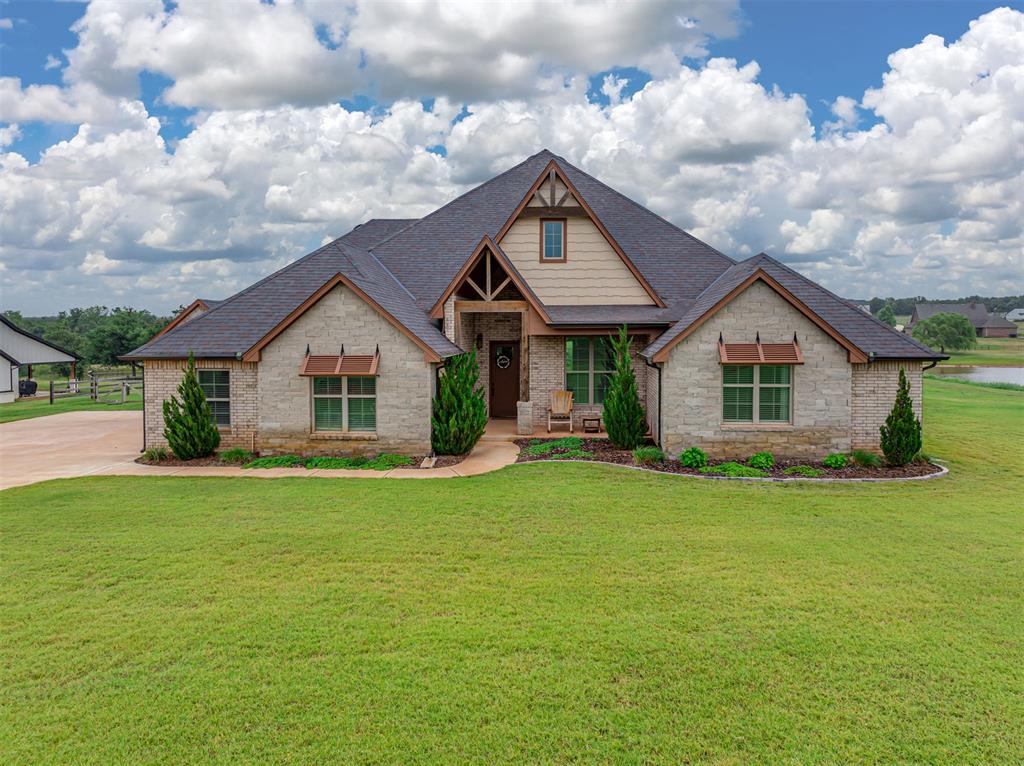
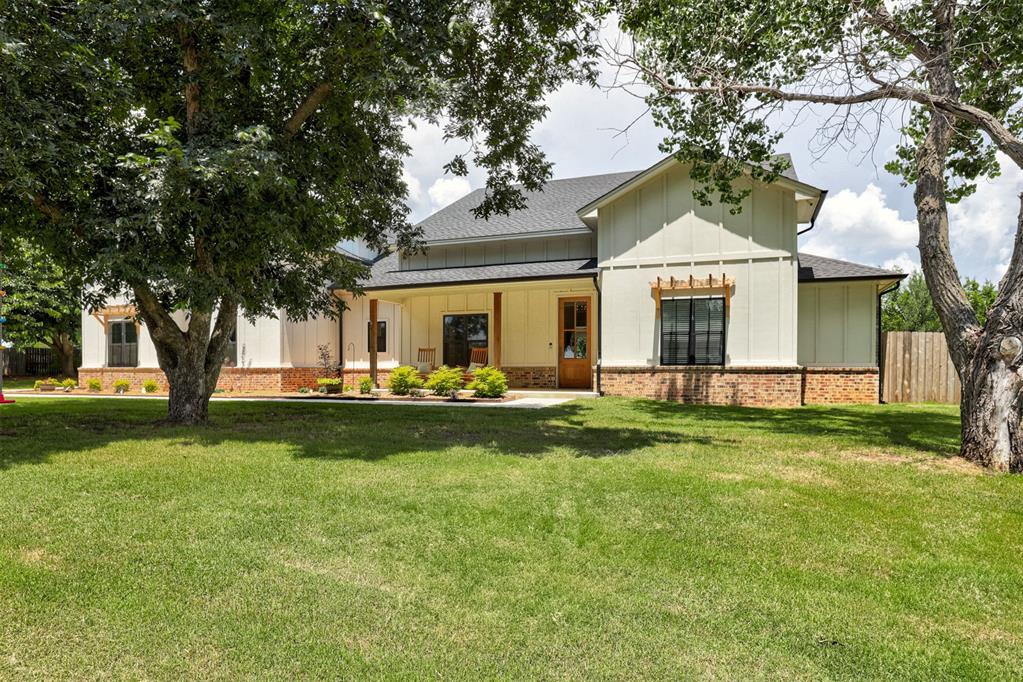
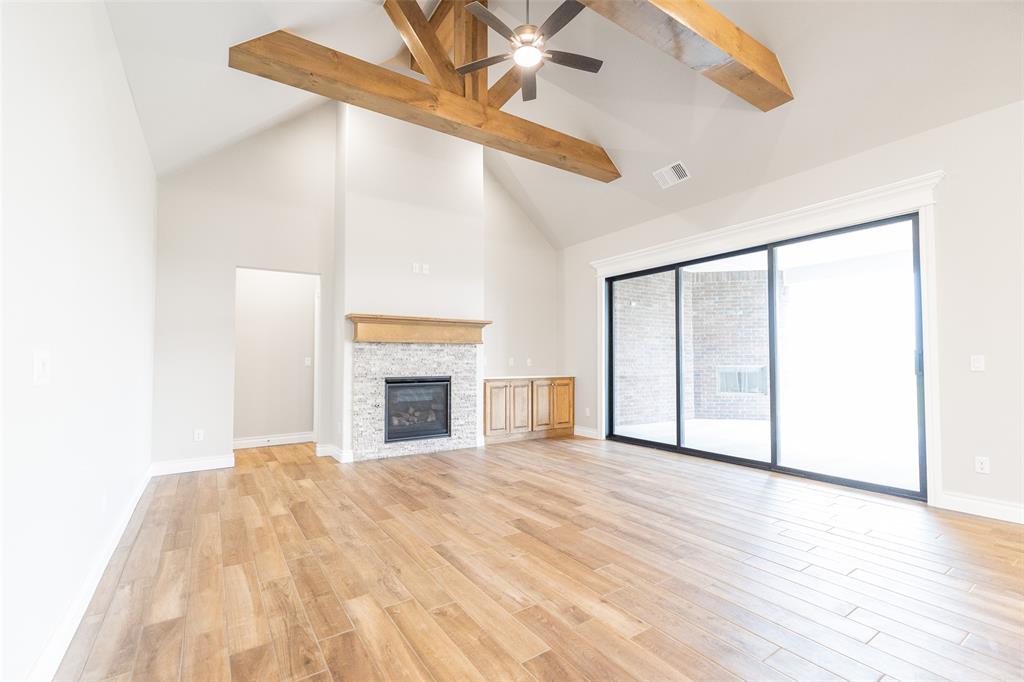
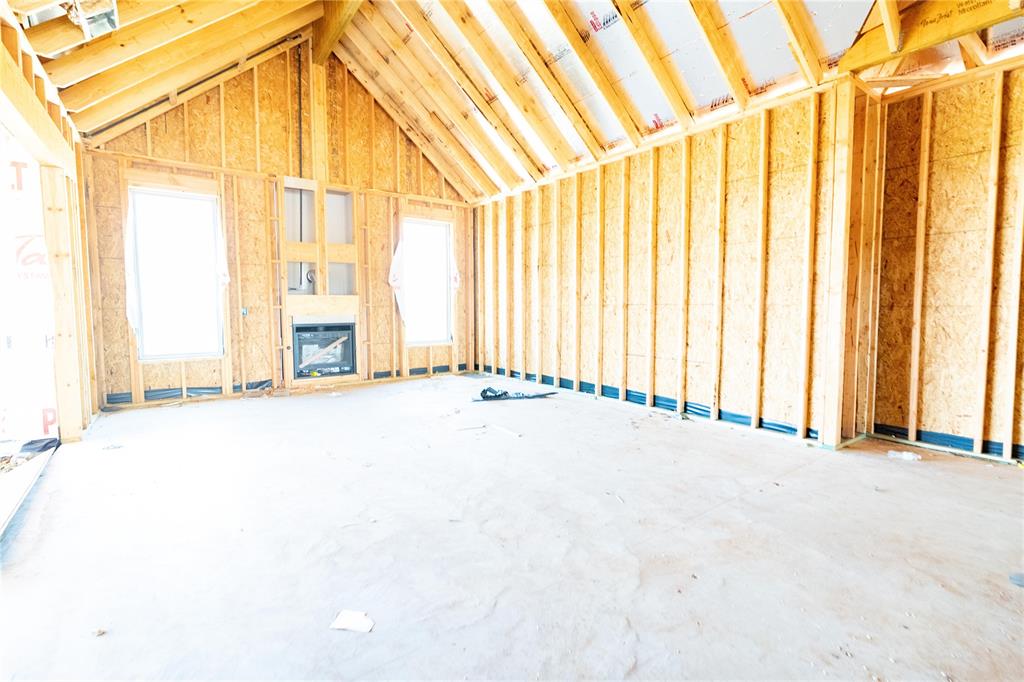
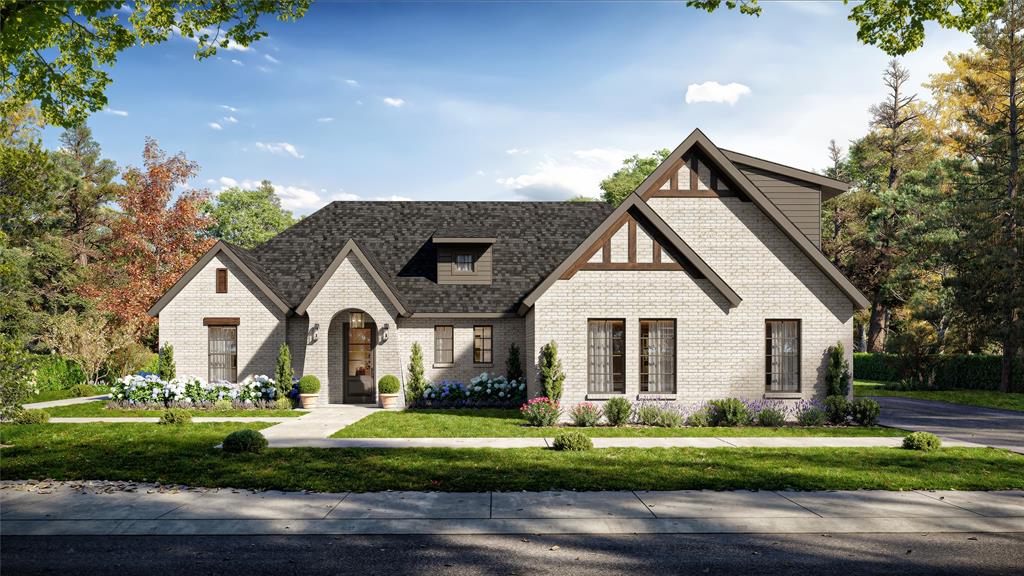
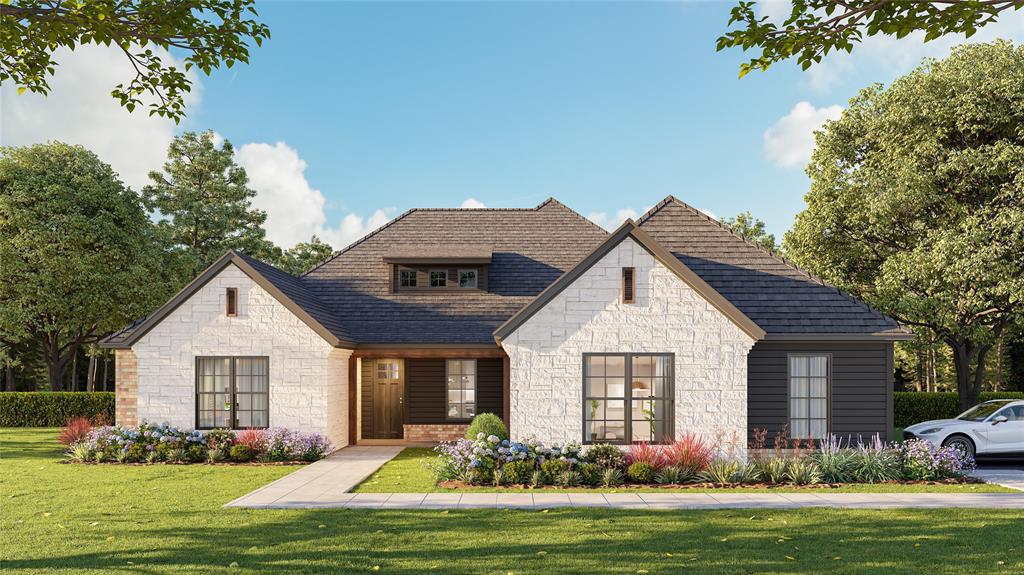
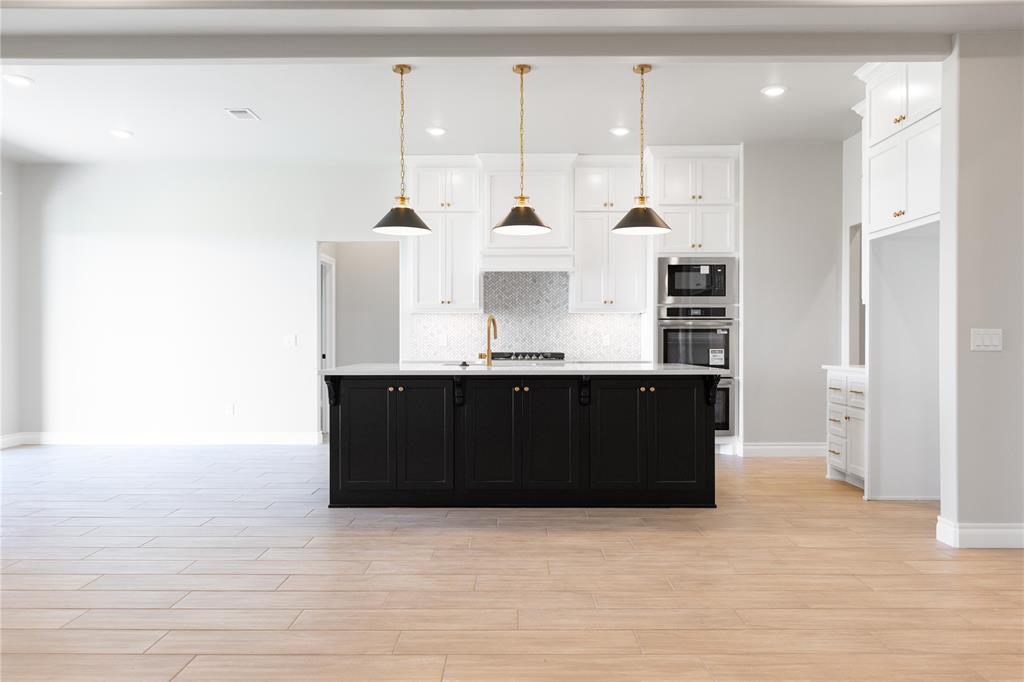
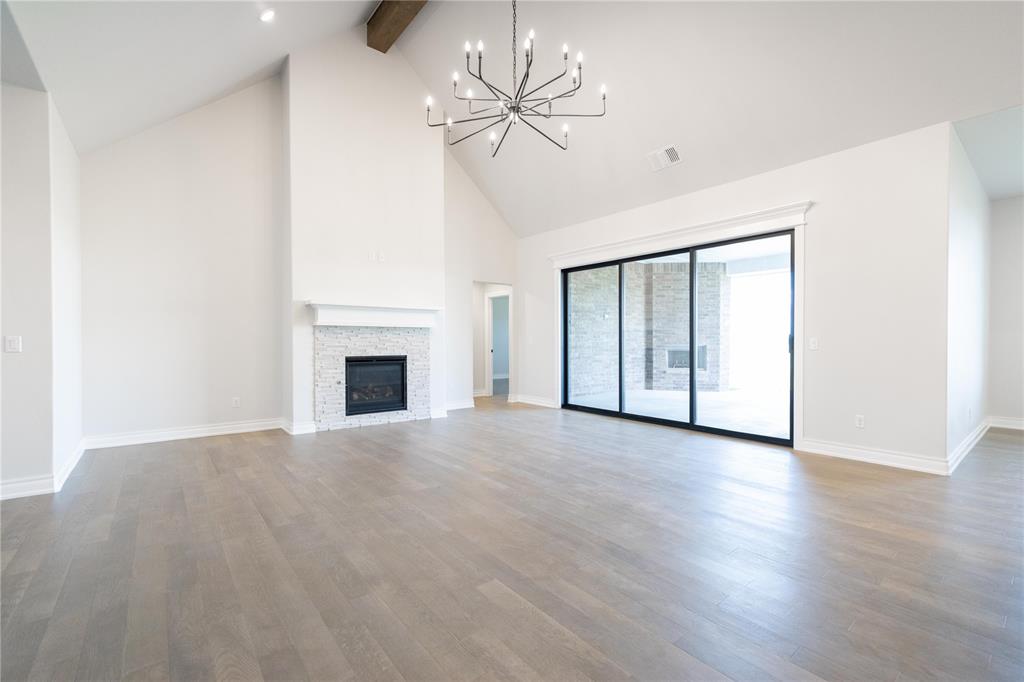
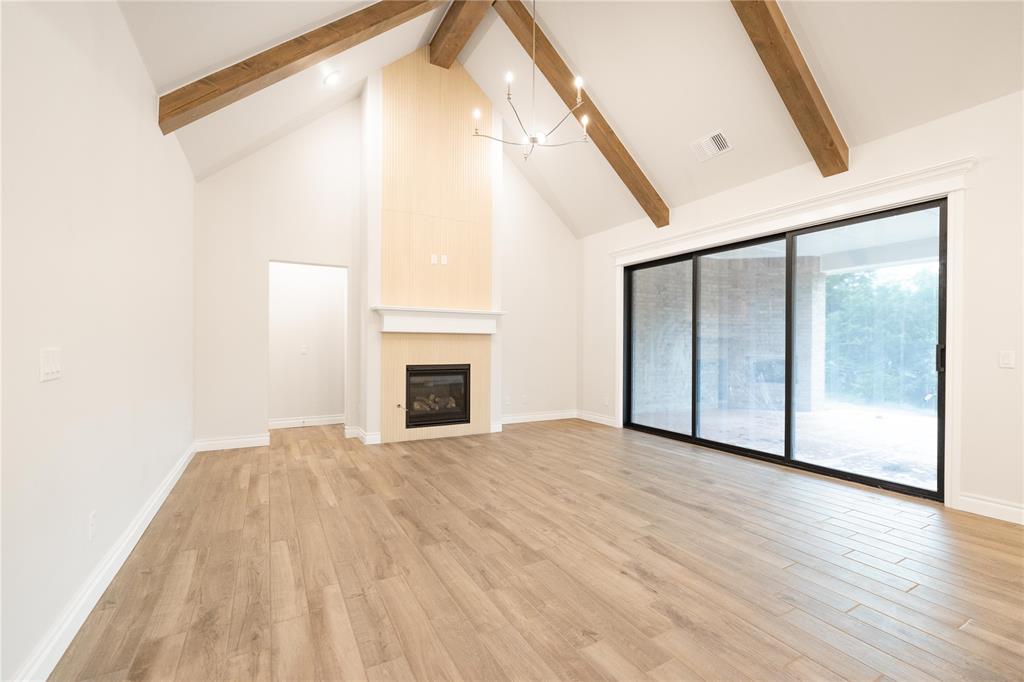
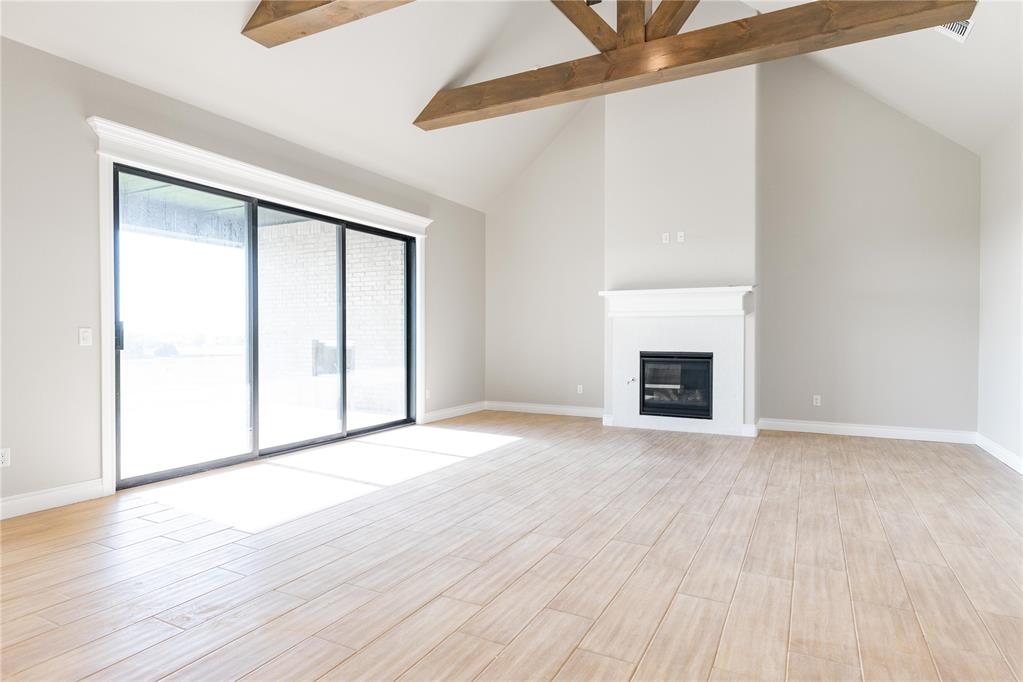
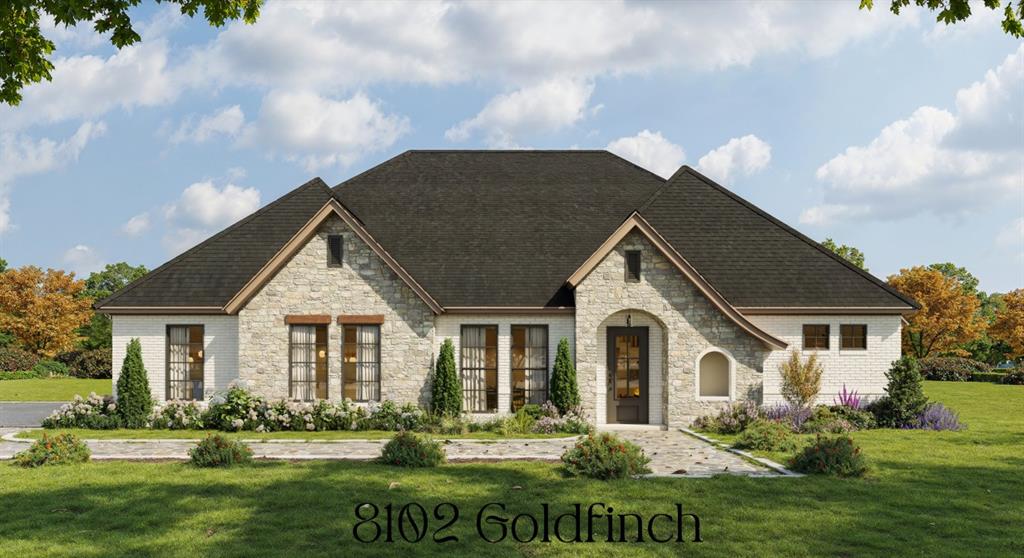
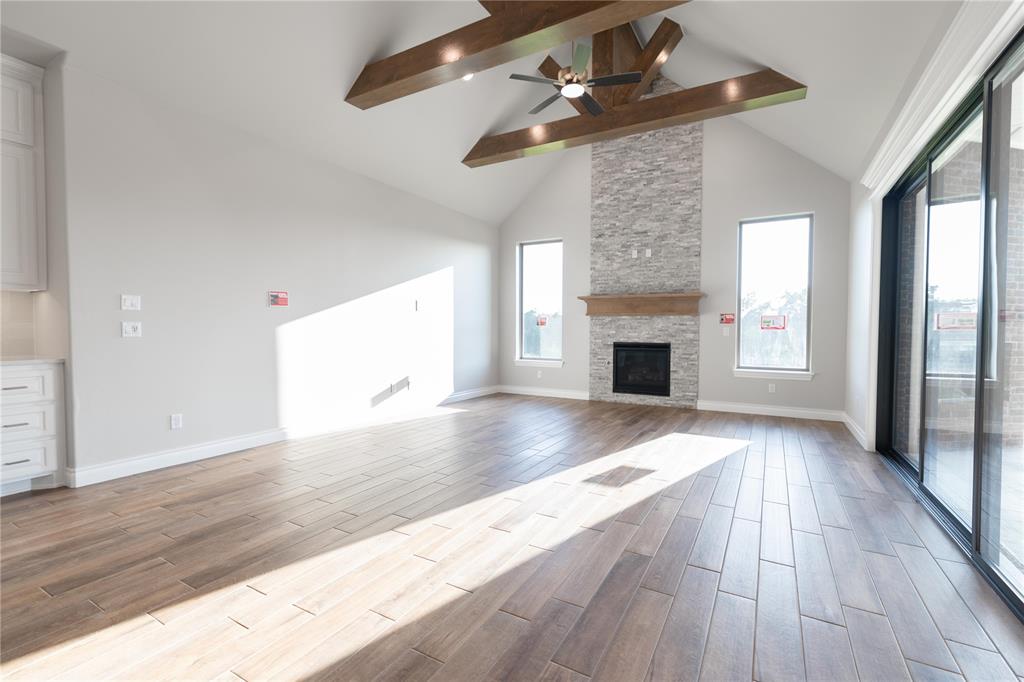
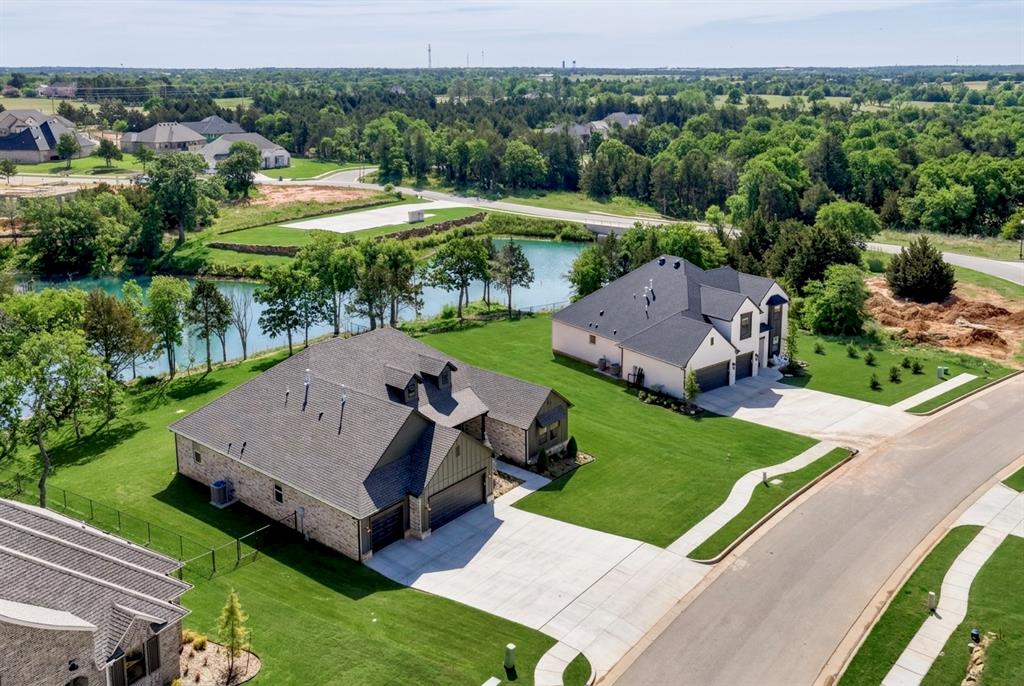
New construction has expanded significantly along Guthrie's southern perimeter to capture the northward push of Oklahoma City metro growth. Communities like Mission Hills, Prairie Pointe Estates, and Sorghum Run offer contemporary open floor plans, energy-efficient systems, and multi-car garages, with pricing that typically begins in the mid-$200s. These neighborhoods appeal to buyers whose primary concern is modern livability and who may care less about architectural character.
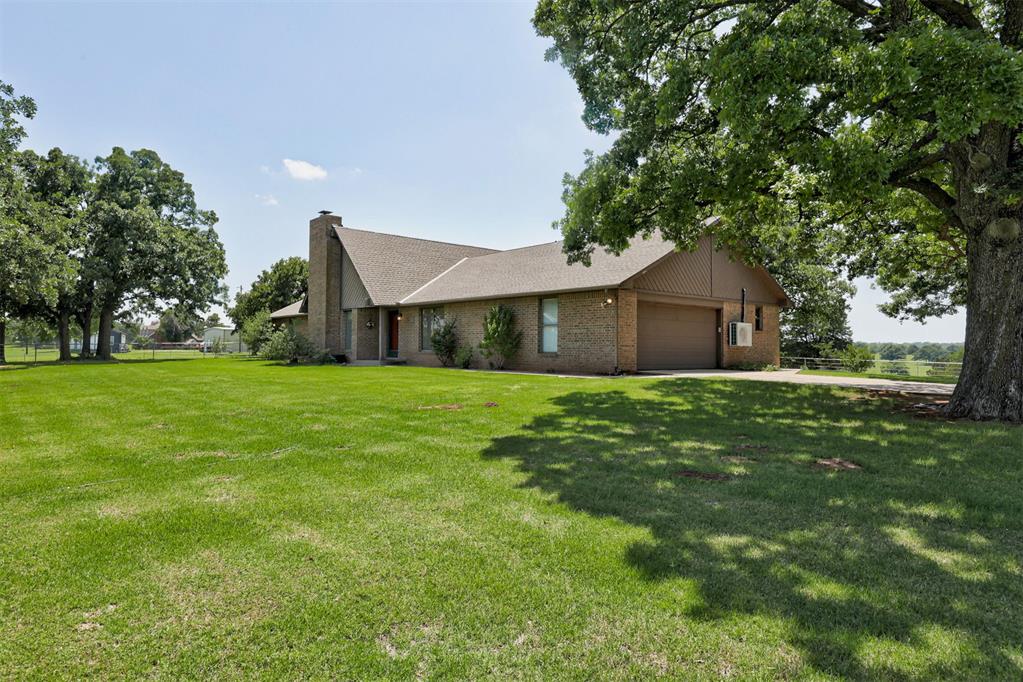
Ranch-style and mid-century homes occupy the middle ring between the historic core and the new suburban fringe. Single-story, brick-exterior, and set on larger lots than the new developments, these properties are frequently the most accessible entry point for first-time buyers and offer genuine value for those willing to update kitchens and baths.
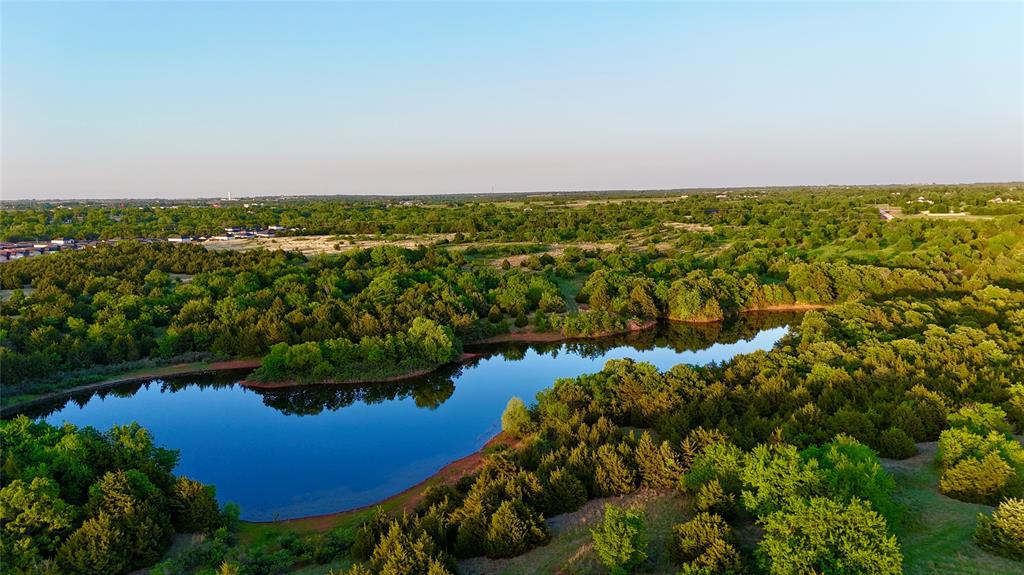
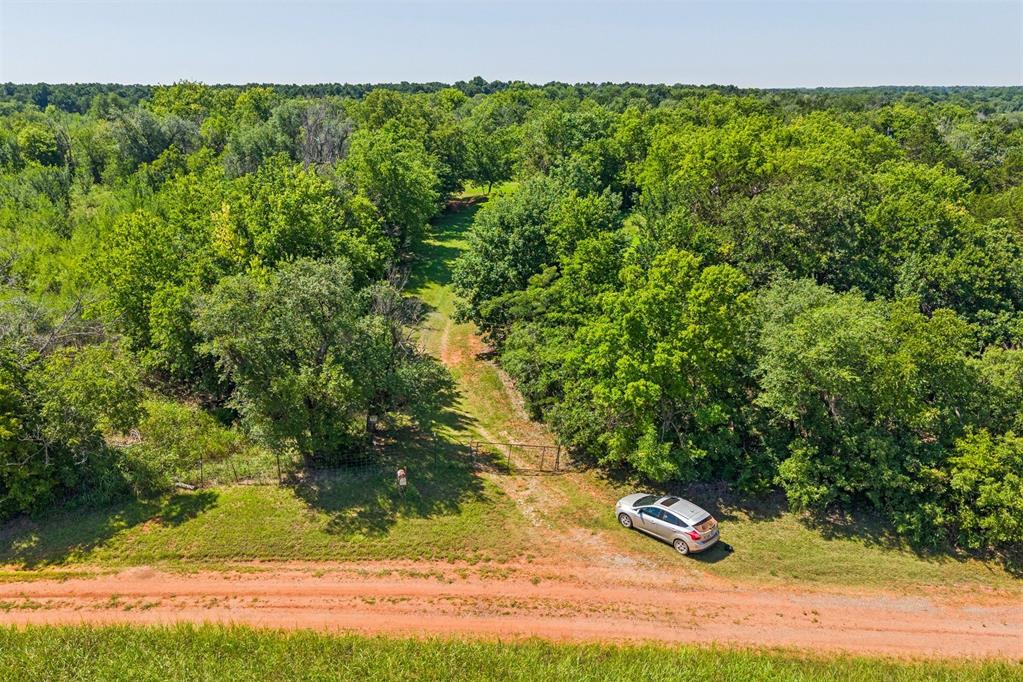
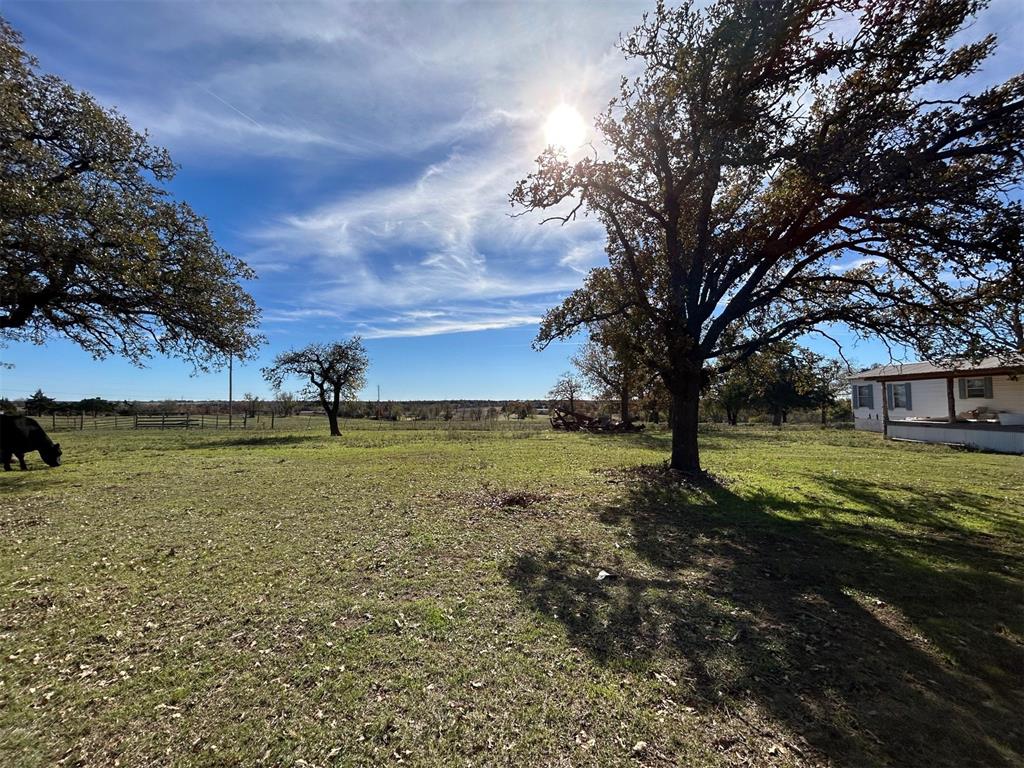
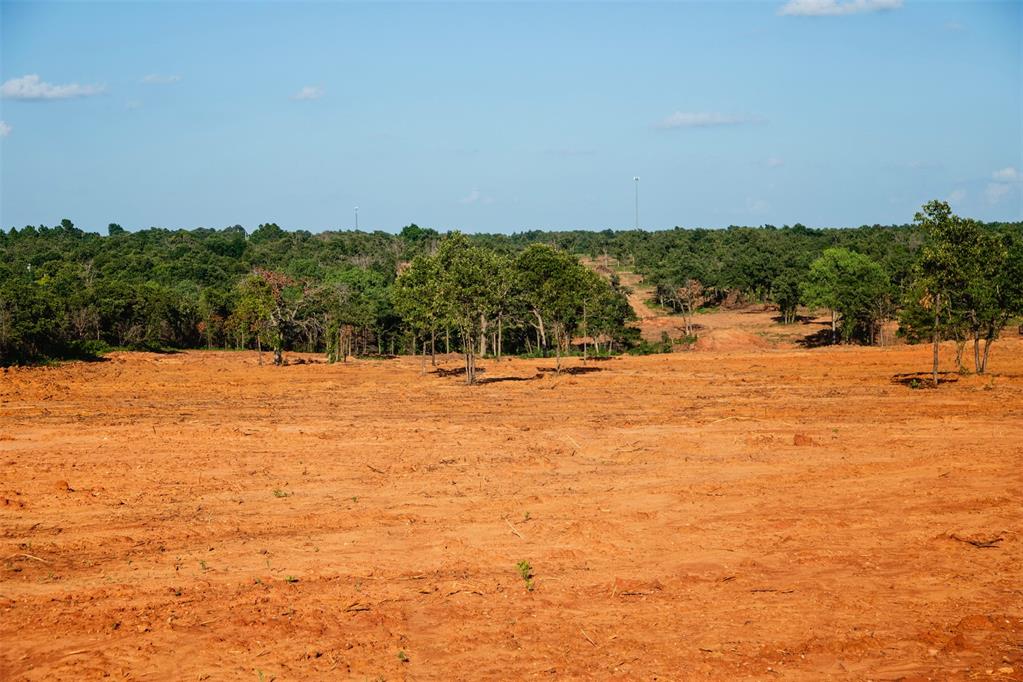
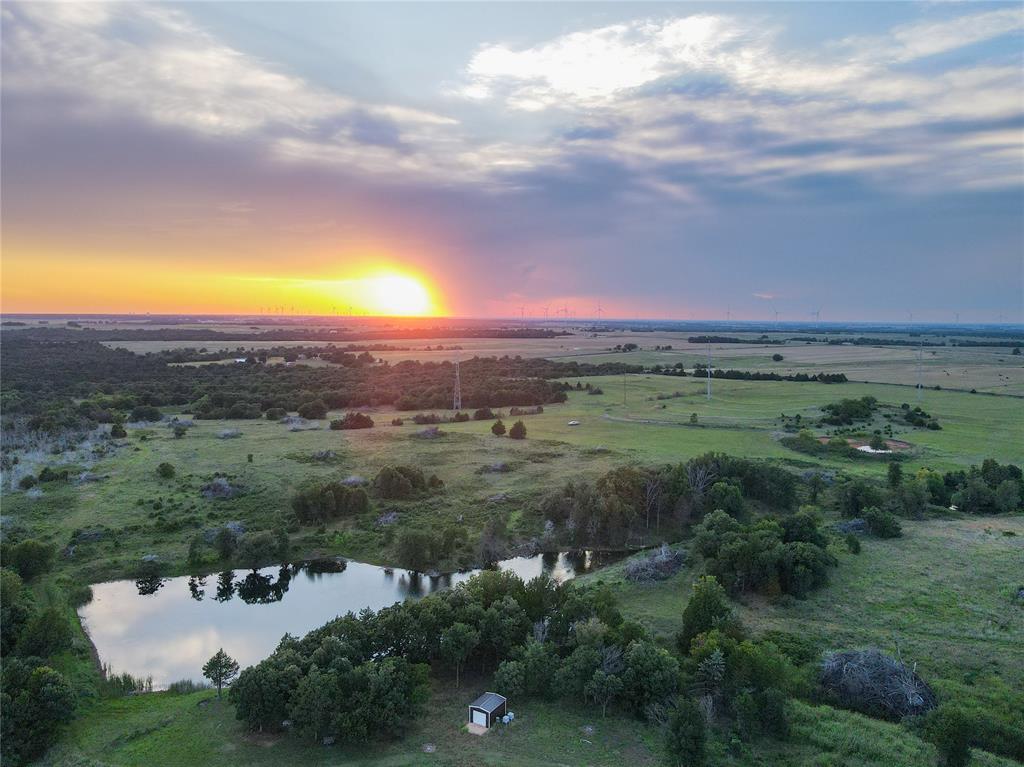
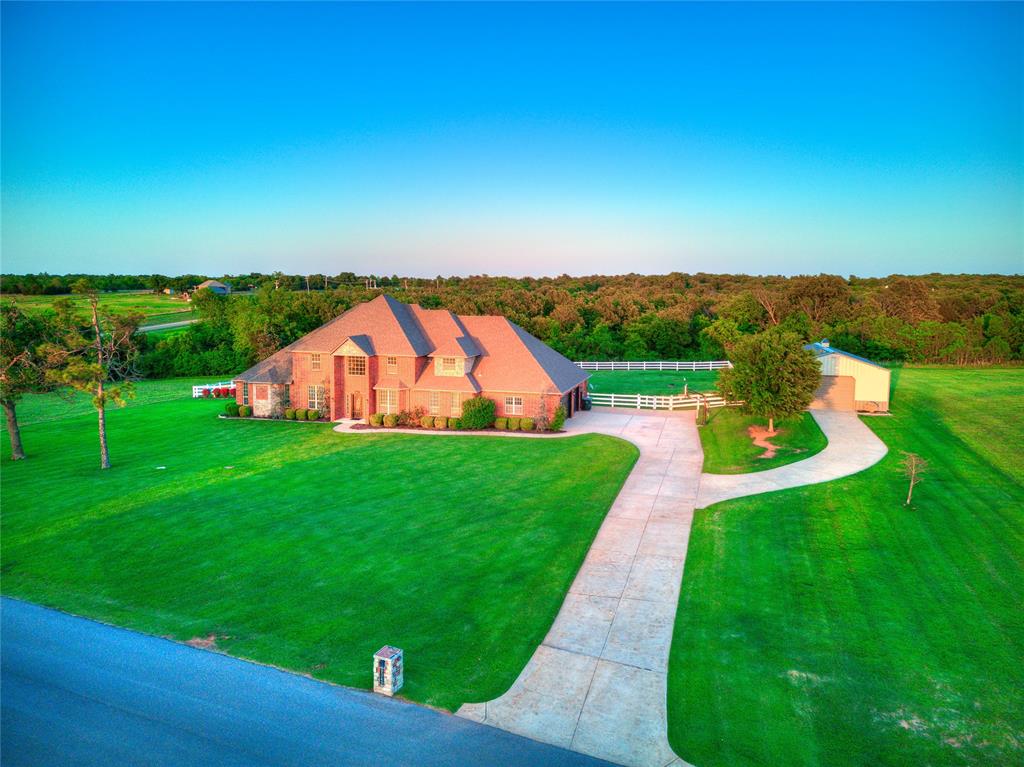
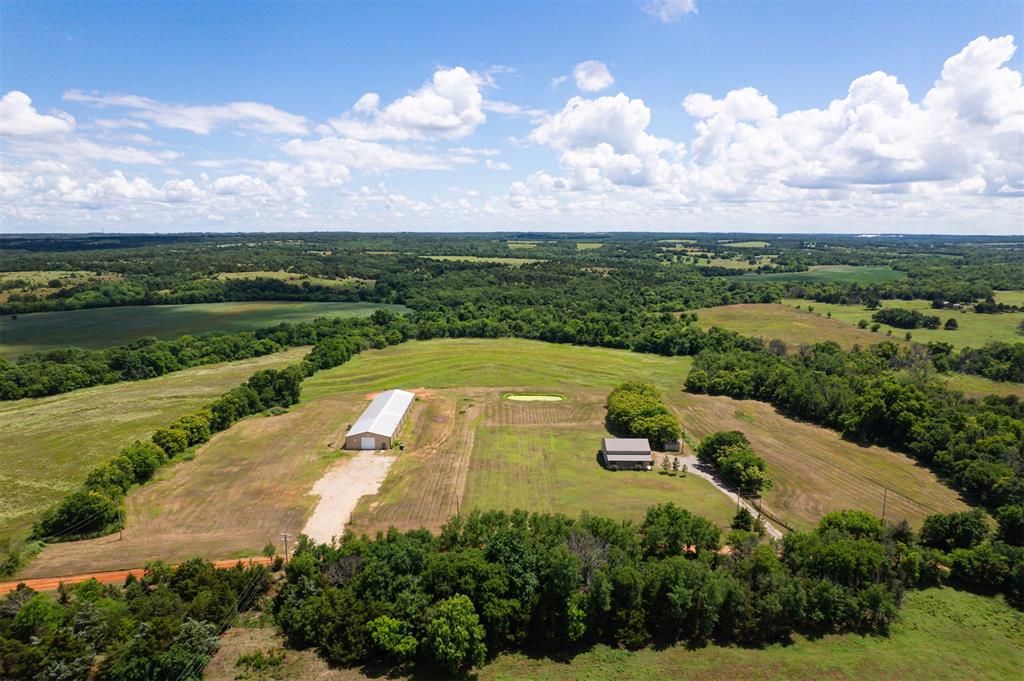
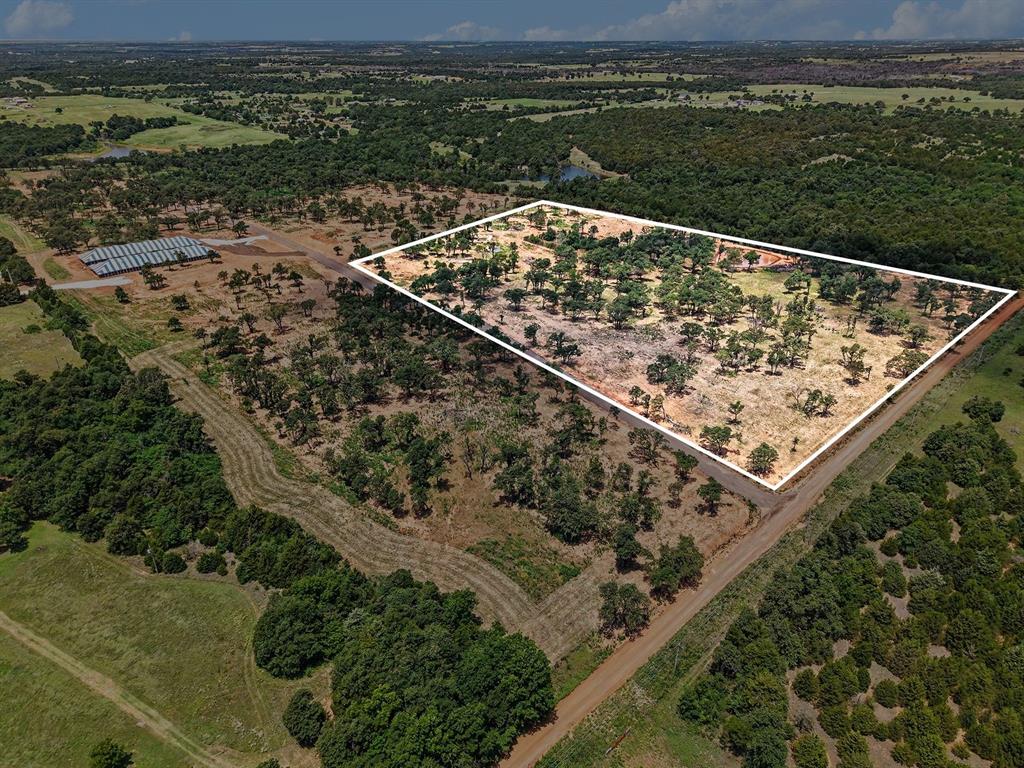
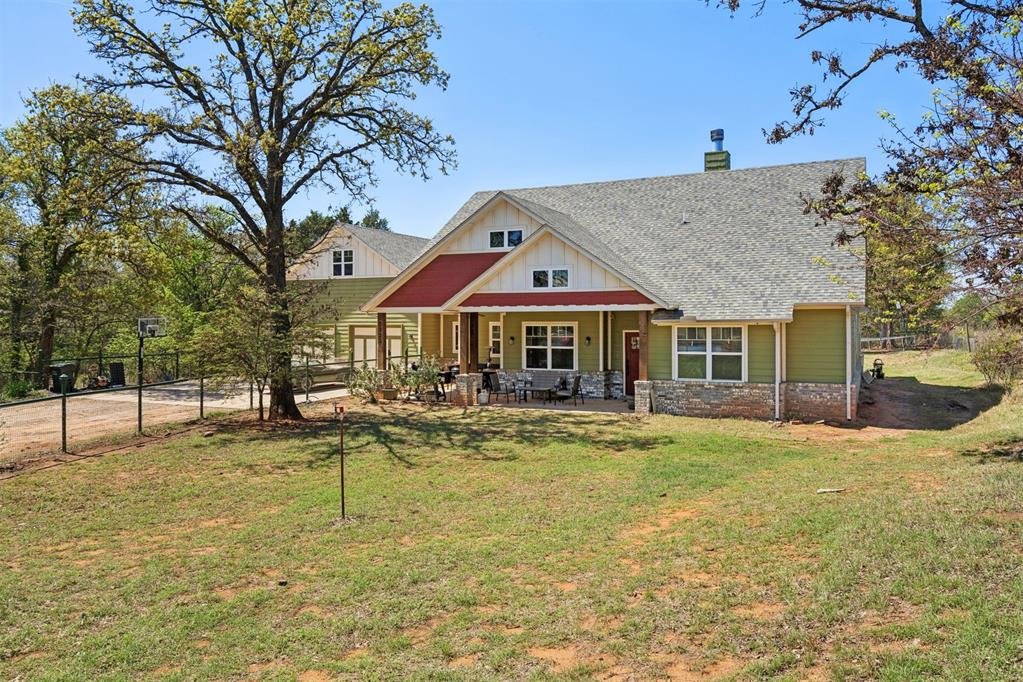
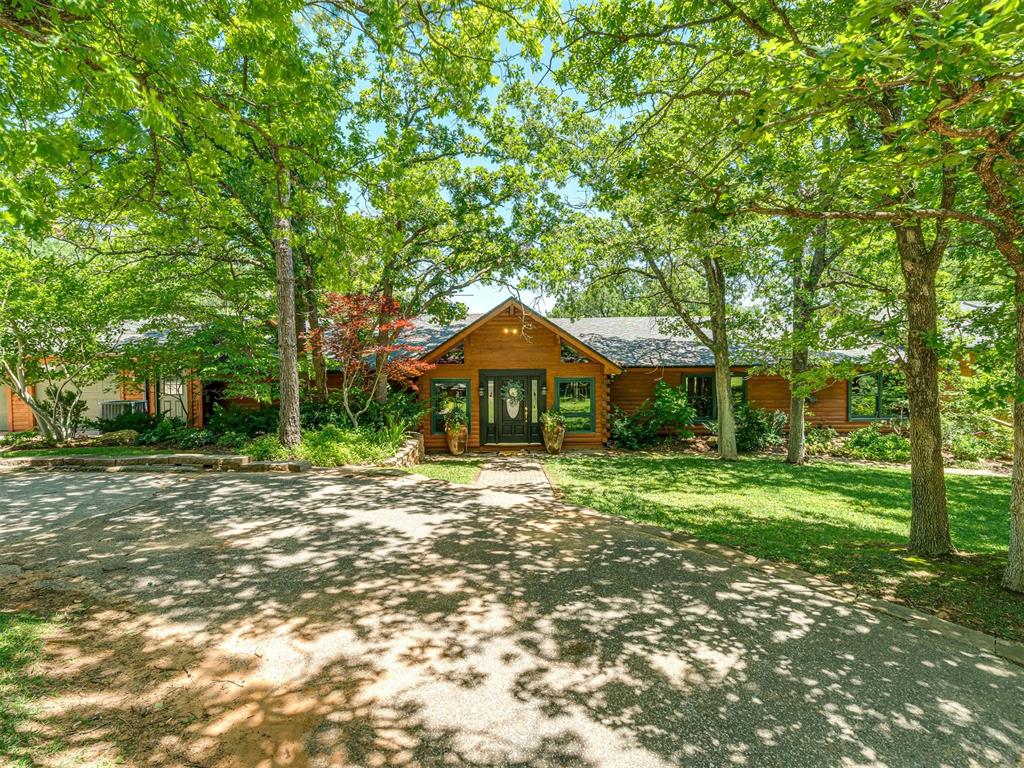
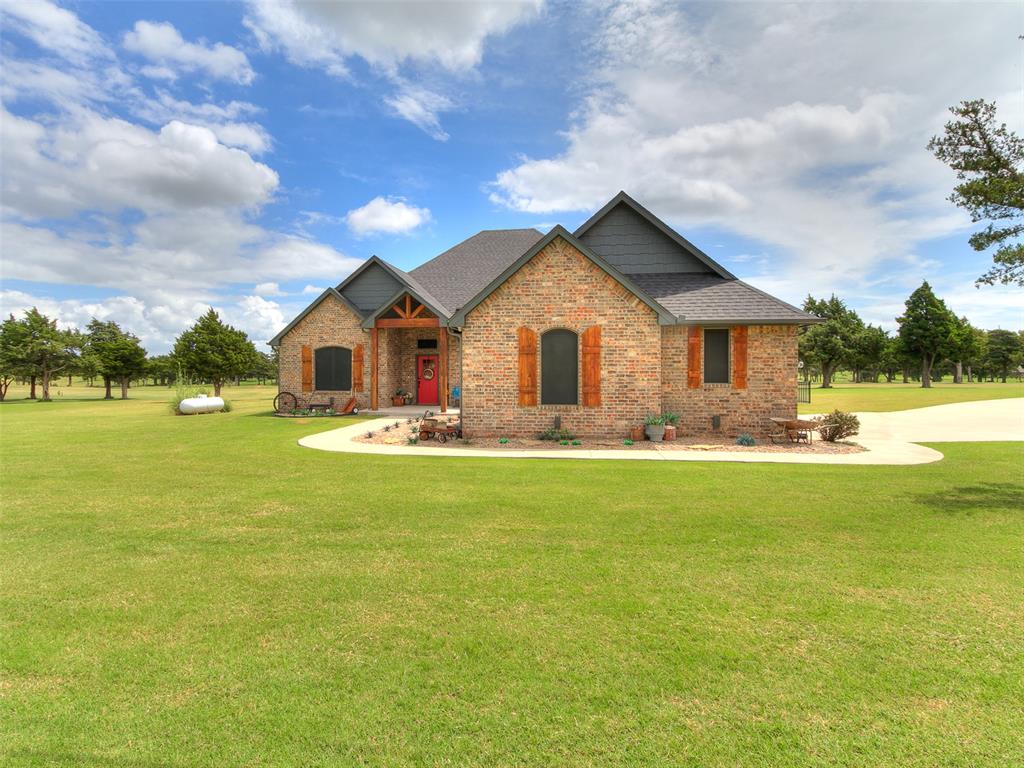
Finally, the acreage and rural residential segment is among Guthrie's most sought-after categories given the current appetite for homestead lifestyles among remote workers. Properties running five to twenty-plus acres with horse barns, workshops, and stock ponds are available within a 40-minute drive of downtown Oklahoma City — a combination that is nearly impossible to replicate in any other market at a comparable price point.
Buyers approaching Guthrie for the first time should understand that this is a market where due diligence requirements vary enormously depending on which segment you are purchasing in, and conflating the considerations for a new build with those for a Victorian mansion is a mistake that can carry significant financial consequences.
Within the National Historic Landmark District, buyers are assuming a stewardship role as much as an ownership role. Exterior modifications — paint colors, window replacements, porch alterations, any addition to the building's footprint — are subject to review and approval by the Guthrie Historic Preservation Commission. This is not a bureaucratic inconvenience to minimize; it is a legally binding obligation that runs with the land. Buyers who purchase a historic home expecting to modernize its exterior aggressively will encounter real friction and potential legal exposure.
Flood zone status is a non-negotiable line item in any due diligence checklist for Guthrie properties, particularly those near Cottonwood Creek. FEMA Zone AE designations require mandatory flood insurance, which can add thousands of dollars annually to the cost of ownership and must be factored into affordability calculations before falling in love with a property. Request the elevation certificate before making any offer.
For historic homes specifically, the inspection must go well beyond the standard checklist. Knob-and-tube wiring, cast-iron plumbing, lead paint, asbestos-containing materials in floor tiles or insulation, and foundation settling caused by Oklahoma's expansive red clay are all genuinely common findings. A standard home inspector is not sufficient for a home built in 1902; engage an inspector with documented experience in historic properties and be prepared for a report that reads more like an archaeological field survey than a property assessment.
School district boundaries deserve more attention than buyers typically give them. While most of Guthrie falls within Guthrie Public Schools, properties along the southern edge of the city may actually fall within Edmond Public Schools or Deer Creek district boundaries — a difference that carries meaningful implications for resale value and educational options.
For buyers considering acreage outside city limits, Logan County zoning regulations governing secondary dwellings, barndominiums, and modular homes must be verified before purchase. Do not assume permitted use; confirm it in writing.
Selling in Guthrie is fundamentally an exercise in narrative positioning, and the narrative available to you depends almost entirely on what you are selling.
For historic properties, the story is straightforward but the execution is demanding. Your buyer pool is specifically seeking the combination of authentic Victorian or Craftsman architecture with 21st-century livability — and the operative word is combination. A home with original crown molding and built-in bookcases but a kitchen frozen in 1987 is going to stall. Conversely, a home that has been ruthlessly modernized and stripped of its historic character has sacrificed the very premium that makes Guthrie properties distinctive. The sweet spot — updated mechanical systems, refreshed kitchen and baths, modern electrical — while preserving and showcasing original architectural detail — commands the strongest prices in this market.
Timing matters in Guthrie in ways that are somewhat unique compared to other Oklahoma markets. The primary selling season runs April through June, with the 89er Days celebration in April functioning as an organic marketing event that fills the town with potential buyers experiencing Guthrie at its most vibrant. A secondary peak emerges in late November and December during the Victorian Christmas season, when the town's atmosphere is particularly conducive to emotional purchase decisions on historic properties.
Curb appeal carries disproportionate weight in a town this visually celebrated. A neglected lawn or peeling porch paint reads as a major red flag in a market where architectural beauty is the core value proposition. Invest in the exterior before listing.
For new construction and suburban properties, the selling emphasis shifts from storytelling to specification. Oklahoma's extreme summer heat and winter ice storms make energy efficiency a genuine selling point. Spray-foam insulation, high-efficiency HVAC systems, and low-e windows should be featured prominently in any marketing materials, as they directly address the ongoing cost concerns that motivate buyers choosing between Guthrie and comparable metro-adjacent markets.
Your buyer demographic breaks into three distinct groups: OKC and Edmond commuters seeking lower cost of living, retirees specifically attracted by Guthrie's walkable historic Main Street character, and remote workers prioritizing acreage and the expanding fiber internet infrastructure. Understanding which group you are most likely speaking to will shape every staging and marketing decision you make.
Guthrie's food and beverage scene reflects its character perfectly — it is local, idiosyncratic, historically situated, and resistant to the national chain homogenization that has consumed so many comparable towns.
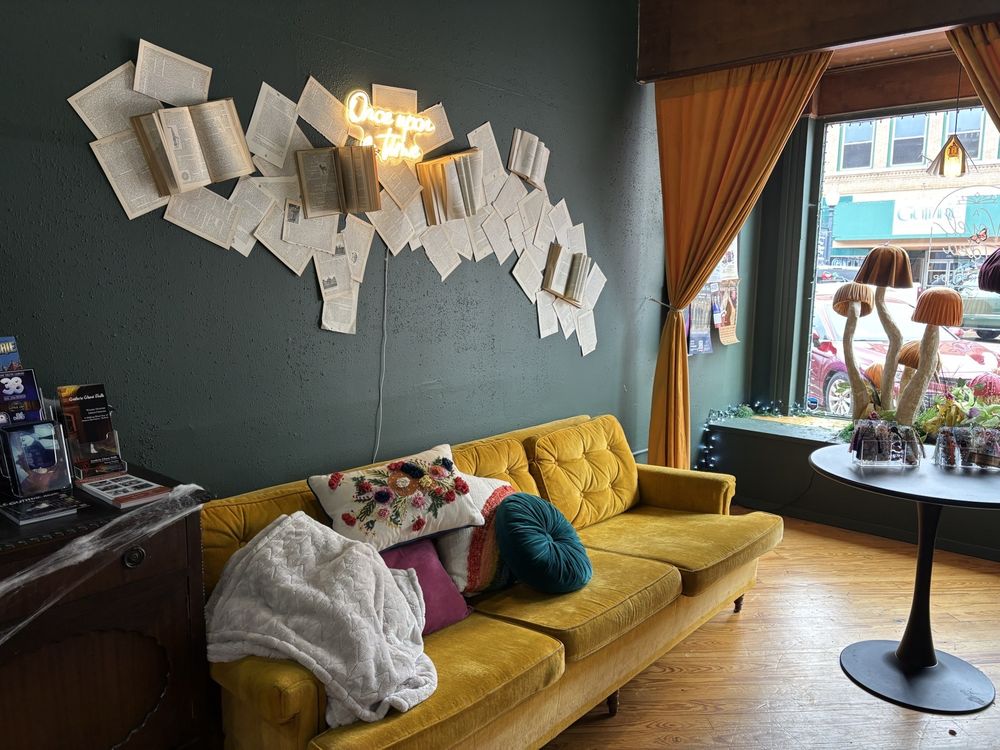
Hoboken Coffee Roasters is the indisputable center of the community's daily social life. Beyond sourcing and roasting its own beans, the shop functions as Guthrie's primary gathering place — the kind of establishment where vinyl spins on a turntable and conversations stretch across multiple refills. It is the first stop recommended to anyone moving to town.
For classic Oklahoma comfort food executed with confidence, Stables Café delivers exactly what it promises — massive burgers, chicken-fried steak, and hearty plates served in a setting packed with antiques and genuine ranch-country atmosphere. For a more elevated evening, Gage's Steakhouse offers fine dining inside one of the downtown's historic buildings, pairing serious food with architecture that has no comparable equivalent in the surrounding region. The Blue Belle Saloon rounds out the dining landscape with a different kind of value — history itself. Allegedly once the workplace of Hollywood cowboy Tom Mix, the Blue Belle is as much a living artifact as it is a bar and restaurant, and it captures something essential about Guthrie's relationship to its own mythology.
Shopping in Guthrie operates on entirely different logic than the retail experience available in Edmond or the OKC metro. This is not a town optimized for efficiency or brand recognition. It is one of the premier antique markets in the region and a genuine hub for Oklahoma-made goods, and buyers who approach it on those terms will find it rewarding.
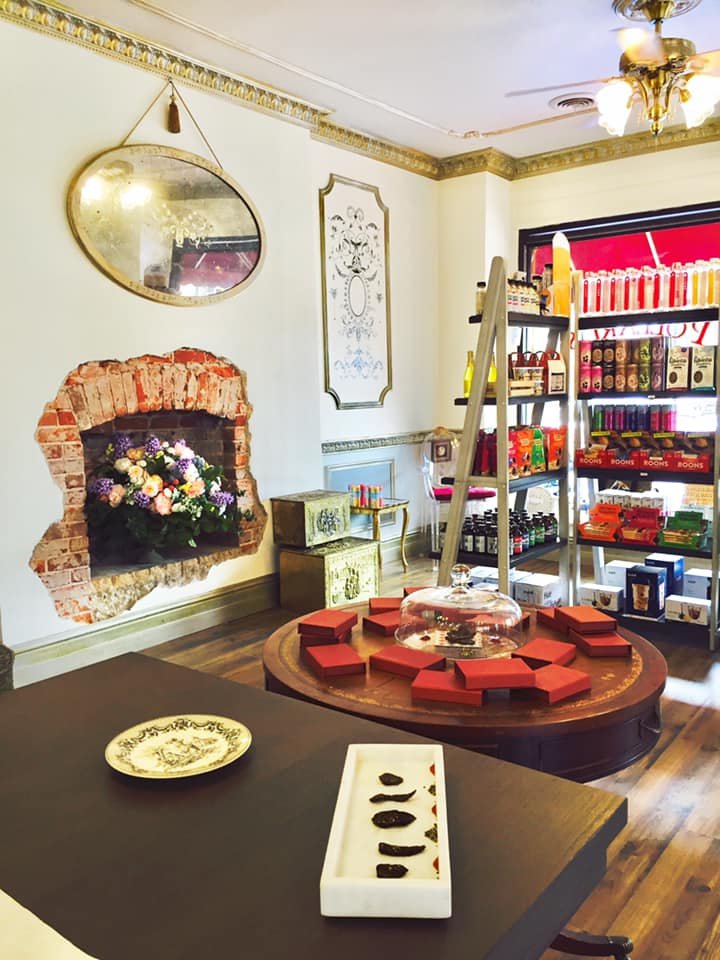
The Historic District concentrated along Oklahoma and Harrison Avenues is where the most interesting retail activity takes place. LOKALS curates goods from Oklahoma makers and functions as a showcase for the state's artisan economy. Heritage Collection serves buyers seeking upscale clothing. Rick's Fine Chocolates and Coffees offers exactly what it advertises. The multi-story antique malls — Highland Hall prominent among them — house an inventory ranging from Victorian furniture to mid-century collectibles that draws serious dealers and casual hunters from across the region.
For everyday essentials, South Division Street is the practical answer. A Walmart Supercenter, Walgreens, and the regional staple Braum's Fresh Market — which combines an ice cream operation with a surprisingly robust mini-grocery offering quality dairy, produce, and fresh meat — handle most household needs. Seasonal farmers markets during warmer months add fresh local produce and honey to the mix.
Guthrie punches above its weight class in outdoor recreation, offering a range of water, trail, and field amenities that most cities of its population would struggle to match.
Liberty Lake, just southeast of town, is the flagship outdoor destination — five miles of shoreline with boat ramps, designated swimming, jet skiing, fishing, primitive camping, and equestrian trails. It functions as the town's primary venue for active summer recreation. Guthrie Lake offers a quieter, more contemplative alternative, well-suited for fishing and sunset picnics without the motorized activity of Liberty Lake.
Highland Park anchors the urban outdoor experience, centered on Hudson Lake within its 43-acre footprint. Its shaded walking trails and fishing piers make it the default destination for residents wanting outdoor time without leaving the city. The park also hosts a 19-hole disc golf course with concrete tees, making it a regional hub for a sport that has seen significant growth across central Oklahoma.
A second 18-hole championship disc golf course has recently been established at the Community Church site on the south side of town, alongside more than two miles of wooded walking and biking trails that remain one of Guthrie's more underappreciated amenities.
Cedar Valley Golf Club, situated just west of I-35, offers 72 holes of public golf across two courses — Cimarron National and Cedar Valley — serving players of all skill levels. Banner Park provides a splash pad for families during Oklahoma's genuinely demanding summer heat. Mineral Wells Park, with its historic stone pavilion, serves as the traditional gathering anchor for community events and casual outdoor use. For high-energy recreation of a different kind, the Avid Extreme Sports Park operates paintball and airsoft courses.
The Lazy E Arena, located just outside city limits, warrants mention here as well. It is one of the world's premier equestrian facilities, hosting major professional rodeos, the Timed Event Championship, and arena events that draw audiences from across the country.
Guthrie's culture is most accurately described as the product of a very specific accident of history — a city that was briefly one of the most important places in the American West, then frozen in time, and that has now developed a relationship with its own past that is simultaneously celebratory, performative, and deeply sincere.
The 89er Days celebration each April is the cultural apex of the Guthrie year. The event commemorates the 1889 Land Run with what is reportedly the largest parade in Oklahoma, a professional rodeo, a carnival, and a general license for residents to dress in period-accurate clothing and inhabit the spirit of the original settlers. It is genuinely communal in a way that orchestrated "heritage" festivals in other towns rarely achieve.
The Victorian Christmas season transforms December into something that feels borrowed from a different era entirely. The Victorian Walk evenings close downtown streets to vehicles, fill shop windows with costumed historical vignettes, and replace the ambient soundtrack of daily life with carolers and the smell of roasted nuts. For the town's real estate market, this season serves a dual purpose — it is both a beloved tradition and an extraordinarily effective advertisement for the historic home lifestyle.
The day-to-day culture is anchored by what residents describe as a strong "porch culture" — a genuine norm of knowing your neighbors, of conversations that begin on front stoops and run long past what any schedule would suggest. This is not marketing language. It is the natural consequence of living in a neighborhood built before air conditioning made it possible to disappear entirely into climate-controlled interiors.
The arts dimension of Guthrie's identity is more robust than its size would suggest. The Pollard Theatre operates as a professional resident theater company producing plays and musicals year-round. A notable concentration of luthiers and acoustic musicians gives the town a particular authenticity in the bluegrass and folk traditions, anchored annually by the Oklahoma International Bluegrass Festival each fall. More recently, the Guthrie Renaissance and Fantasy Festival at Cottonwood Flats has added a newer dimension to the town's cultural calendar, drawing thousands of visitors every March for jousting tournaments and medieval programming.
Guthrie Public Schools serves the district's roughly 3,400 students across multiple campuses and carries ratings that land in the C+ to B- range on platforms like Niche. This places the district in the middle of the Oklahoma public school landscape — a credible, functioning district with identifiable strengths, but one that residents with the means and motivation to seek alternatives do sometimes opt out of. Fogarty Elementary is consistently noted as a high-performing campus within the district, and the athletics program ranks in the top 20 in the OKC metropolitan area. The district's High School Art Club has an unusual community integration component, placing student work in the historic downtown, which speaks to the broader cultural connection between the school system and the town's identity.
For families seeking private alternatives, Oklahoma Christian Academy in nearby Edmond — roughly 15 to 20 minutes south — is the most commonly referenced option. Early childhood families have access to Jr. Jays Academy, a Montessori and Reggio-inspired program that carries strong ratings among local parents, along with Friendship Place and a network of state-licensed home daycare providers.
For higher education, Guthrie's geographic position is genuinely advantageous. Langston University, Oklahoma's only HBCU, sits 15 miles to the east and offers undergraduate and graduate programs across multiple disciplines. The University of Central Oklahoma is 17 miles south in Edmond, with particular strength in business and education. Oklahoma State University, a flagship research university, is 30 miles north in Stillwater. Few communities of Guthrie's size can claim three-university access at these distances.
Guthrie is a driver's town, and any honest assessment of its transportation infrastructure has to lead with that reality. A personal vehicle is not a convenience here — it is effectively a prerequisite for full participation in daily life.
The highway infrastructure is straightforward and functional. Interstate 35 runs along the eastern edge of the city and delivers residents to Oklahoma City in 35 to 40 minutes under normal conditions, or to Stillwater in roughly 45 minutes heading north. US-77 bisects the city as Division Street, serving as the main commercial corridor and providing a surface-road connection to Edmond to the south. State Highway 33 handles east-west movement, connecting Guthrie to Langston and Cushing.
Public transit exists but is limited in meaningful ways. The First Capital Trolley provides demand-response service within Logan County and operates a dedicated Langston shuttle for university students. There is no commuter rail to Oklahoma City and no rapid bus transit. For residents whose work or lifestyle requires frequent trips to the metro without a vehicle, Guthrie will present friction that no amount of community character fully compensates for.
Air access is handled primarily by Will Rogers World Airport in Oklahoma City, approximately 40 miles and 45 minutes south, which serves all major commercial carriers. The Guthrie-Edmond Regional Airport accommodates private and corporate aviation but has no scheduled commercial service.
Oklahoma Avenue and Harrison Avenue form the twin spines of the Historic District and are the streets most visitors encounter first. The commercial blocks along these corridors contain the highest concentration of intact Victorian-era architecture in the district, and walking them on a weekend morning before the shops open is one of the more genuinely transporting experiences available in the state.
West Division and the streets radiating outward from the historic core into West Guthrie offer some of the best residential examples — blocks where Craftsman bungalows and Queen Anne houses share frontage in relatively intact rows, and where the "porch culture" described by longtime residents is most visibly alive.
For those interested in the newer residential development, the streets threading through Mission Hills and Prairie Pointe Estates on the city's southern perimeter represent Guthrie's contemporary suburban character — quieter, more uniform, and oriented toward the conveniences of the southern commercial corridor.
The answer to that question is ultimately about a specific kind of authenticity that has become genuinely rare in the American built environment. Guthrie did not curate its history. It did not spend public funds recreating a nostalgic streetscape from scratch or installing Victorian-style lampposts on streets that were never actually Victorian. The town's historic character is the real thing — the actual original buildings, the actual original street grid, the actual original ambitions of a city that intended to be the capital of a state and poured everything it had into proving it deserved that designation.
Living in Guthrie means inhabiting a place with a legible, visible identity — a place where the built environment tells a coherent story about where it came from and what it once meant to the people who built it. In a landscape full of places that look like everywhere and nowhere simultaneously, that is not a small thing.
And yet Guthrie is not trapped in the past. The food scene is alive, the arts community is genuine, the disc golf courses are excellent, the commute to OKC is straightforward, and the housing diversity means the market serves first-time buyers, retirees, remote workers, and history obsessives with equal sincerity. The people who love it tend to stay. That, in any real estate market, is the most meaningful data point of all.
There's plenty to do around Guthrie, including shopping, dining, nightlife, parks, and more. Data provided by Walk Score and Yelp.
Explore popular things to do in the area, including Ohana Grill, Boxcar Bakery and Ice Cream, and Licorice Man.
| Name | Category | Distance | Reviews |
Ratings by
Yelp
|
|---|---|---|---|---|
| Dining | 1.04 miles | 10 reviews | 5/5 stars | |
| Dining | 0.92 miles | 9 reviews | 5/5 stars | |
| Dining | 0.99 miles | 31 reviews | 5/5 stars | |
| Dining | 0.96 miles | 5 reviews | 4.8/5 stars | |
| Dining · $ | 0.86 miles | 147 reviews | 4.8/5 stars | |
| Dining | 1 miles | 20 reviews | 4.8/5 stars | |
| Dining | 0.91 miles | 5 reviews | 4.6/5 stars | |
| Dining · $ | 2.26 miles | 88 reviews | 4.6/5 stars | |
| Dining · $ | 0.99 miles | 146 reviews | 4.6/5 stars | |
| Dining | 2.26 miles | 76 reviews | 4.5/5 stars | |
| Dining · $$ | 0.84 miles | 26 reviews | 4.5/5 stars | |
| Shopping | 0.94 miles | 13 reviews | 5/5 stars | |
| Nightlife | 0.98 miles | 18 reviews | 5/5 stars | |
| Beauty | 0.96 miles | 6 reviews | 4.8/5 stars | |
| Beauty | 0.93 miles | 6 reviews | 4.5/5 stars | |
|
|
||||
|
|
||||
|
|
||||
|
|
||||
|
|
||||
|
|
Guthrie has 9,058 households, with an average household size of 2.69. Data provided by the U.S. Census Bureau. Here’s what the people living in Guthrie do for work — and how long it takes them to get there. Data provided by the U.S. Census Bureau. 25,268 people call Guthrie home. The population density is 95 and the largest age group is Data provided by the U.S. Census Bureau.
Total Population
Population Density Population Density This is the number of people per square mile in a neighborhood.
Median Age
Men vs Women
Population by Age Group
0-9 Years
10-17 Years
18-24 Years
25-64 Years
65-74 Years
75+ Years
Education Level
Total Households
Average Household Size
Average individual Income
Households with Children
With Children:
Without Children:
Marital Status
Blue vs White Collar Workers
Blue Collar:
White Collar: