7,123 people live in Jones, where the median age is 39.1 and the average individual income is $42,761. Data provided by the U.S. Census Bureau.
Total Population
Median Age
Population Density Population Density This is the number of people per square mile in a neighborhood.
Average individual Income
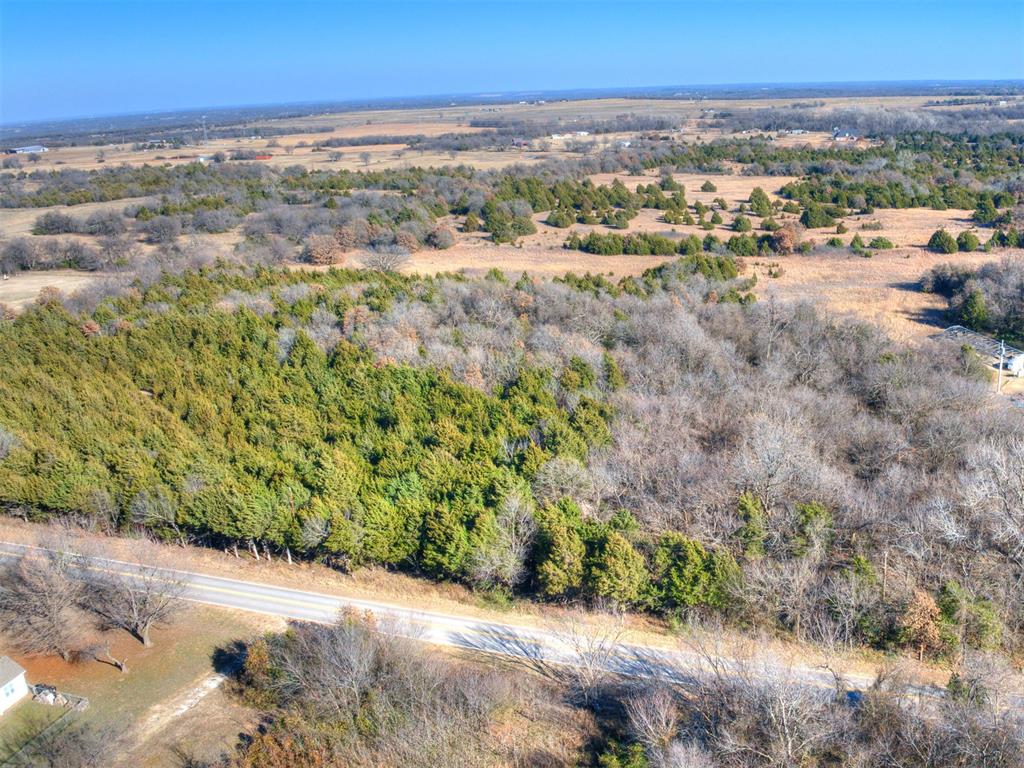
Jones, Oklahoma sits about 20 miles northeast of downtown Oklahoma City, occupying a quiet corner of eastern Oklahoma County where rolling terrain, red clay soil, and multi-acre residential lots define the landscape. It is small by most measures — just a few thousand residents — but it carries an outsized reputation in the metro for its top-ranked public schools, its genuine small-town character, and the kind of space that has become increasingly hard to find this close to a major city.
The town draws a consistent profile of buyer: families prioritizing the school district, commuters who want acreage without sacrificing access to OKC, and people making a deliberate choice to trade suburban density for something quieter. Growth has been steady — population up more than 16% since 2020 — but Jones has absorbed it without becoming something it isn't. The fields are still there. The neighbors still wave. Friday nights still belong to the Longhorns.
The Jones housing market has settled into a balanced phase as of early 2026, a meaningful shift from the competitive, fast-moving conditions that defined the past few years. Buyers who sat on the sidelines during the post-pandemic frenzy now have the kind of breathing room that simply wasn't available before.
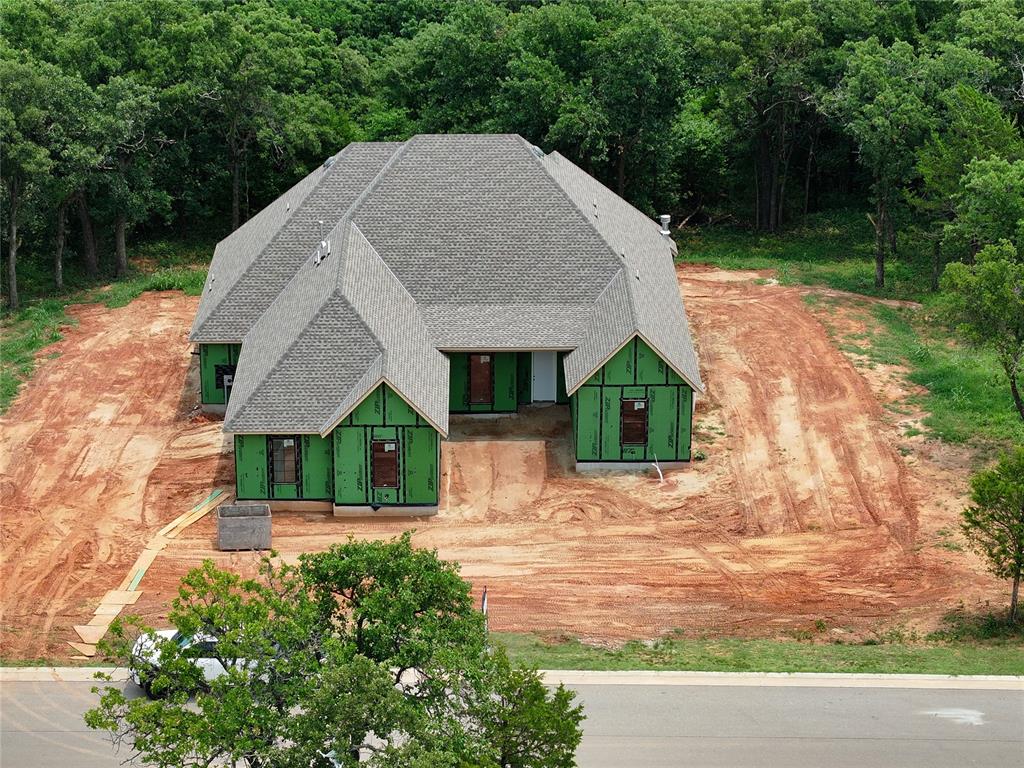
Homes are averaging around 105 days on market, more than double the pace from a year ago, and the typical sale is closing roughly 9.5% below asking price. That's not a distressed market — it's a correcting one. The median sale price for standard residential homes sits in the $335,000–$340,000 range, while the median listing price is elevated closer to $595,000, pulled upward by new luxury developments and large-tract properties entering the inventory. Price per square foot runs around $195.
There are approximately 76 homes actively listed in and around Jones at any given time. Supply has grown nearly 17% year-over-year, but inventory remains measured enough that values have held stable rather than declining.
Jones is following the broader Oklahoma County pattern of steady, sustainable appreciation rather than speculative volatility. Home values have risen approximately 2.9–3.0% over the past year, and forecasters project continued growth of around 2.1% annually through late 2026.
The most notable shift is in buyer leverage. With homes sitting for over three months on average, sellers are more open to price negotiations and concessions — closing cost assistance in particular — than they were in 2024 and 2025, when multiple-offer situations were routine.
On the luxury side, developments like Hidden Lake and Redbud Canyon are pulling the median listing price higher, but the core residential market remains accessible and competitively priced against neighboring Edmond or Nichols Hills. The rental market has also cooled, with median rents down roughly 14% year-over-year to around $1,800 per month — a sign that more long-term residents are moving toward ownership rather than staying in leases.
For buyers, 2026 offers a rare combination: expanded selection, negotiating room, and a market that continues to appreciate. For sellers, accurate pricing from day one matters more than ever. Properties testing the market with inflated list prices are sitting, not selling.
Jones is not a standard suburban purchase. The town's mix of rural acreage, unincorporated land, and established neighborhoods creates a due diligence checklist that looks different from what most buyers encounter in Edmond or Moore.
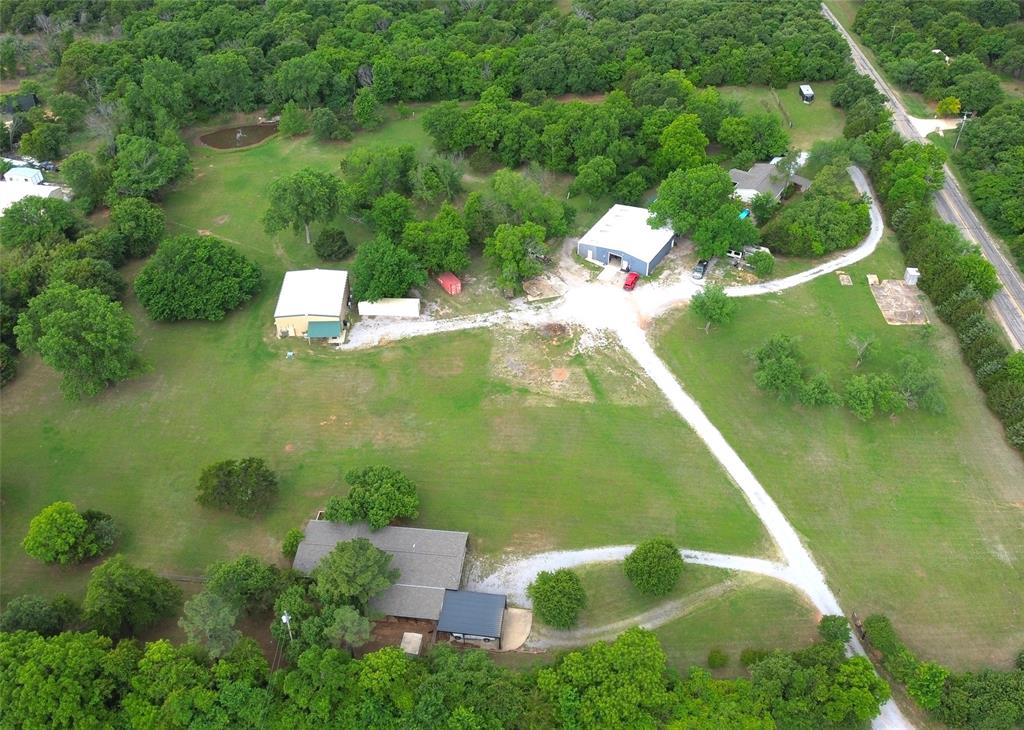
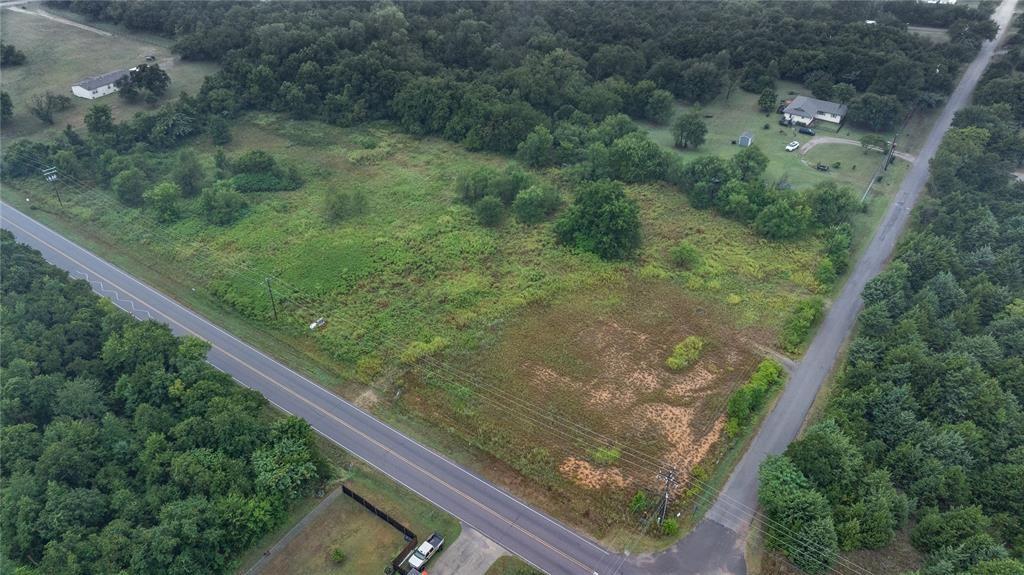
Zoning and Acreage Much of Jones is zoned for agricultural or rural residential use, which is largely a feature rather than a limitation. It allows for detached workshops, barndominiums, and livestock on larger lots. The important caveat: always review easements on larger parcels. Utility companies frequently hold rights-of-way that can restrict where you build a shop, pool, or fence line.
HOAs Versus Rural Freedom Jones has two distinct personalities depending on where you buy. Established subdivisions — Rock Springs and Spring Valley Estates among them — carry active HOAs that protect values but come with fees and restrictions on things like fence height and exterior modifications. Outside city limits, HOAs typically disappear, but so does city water and sewer. Properties in unincorporated areas rely on private wells and aerobic septic systems, which come with their own maintenance responsibilities and costs.
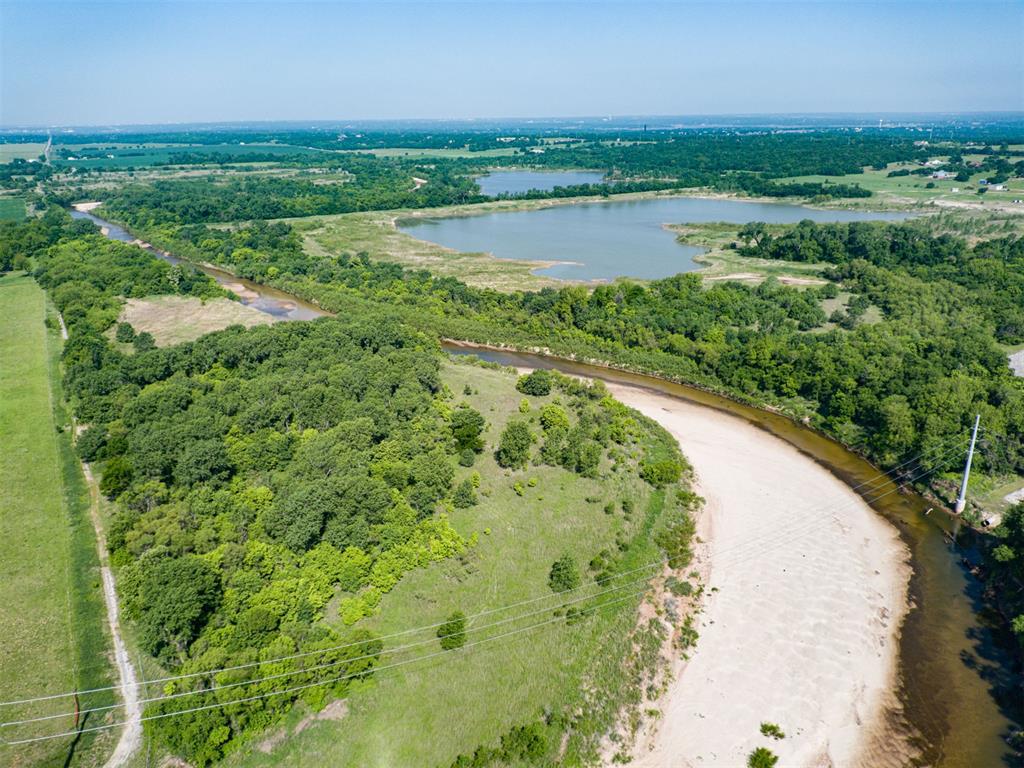
Flood Zones The proximity to the North Canadian River and several local creeks means some pockets of Jones fall within FEMA Flood Zone A or AE. If your property carries a federally backed mortgage and sits in a high-risk zone, flood insurance is mandatory. Even outside designated flood zones, Oklahoma's red clay soil creates drainage challenges — look for proper grading and site drainage when touring any property.
Property Taxes Oklahoma County carries an effective tax rate of approximately 0.95–1.16%. File for Oklahoma's Homestead Exemption at the County Assessor's office before March 15th of the year following your purchase — it won't transform your tax bill, but it's a straightforward reduction available to any primary residence owner.
For most people seriously considering Jones, the rent-versus-buy question comes down to timeline and lifestyle fit as much as pure math.
| Buying (Median) | Renting (Median) | |
|---|---|---|
| Monthly Cost | ~$2,100–$2,500 | ~$1,800 |
| Upfront Cost | 3.5–20% down payment | 1–2 months' deposit |
| Long-Term Outlook | Equity + ~3% annual appreciation | Stable costs, no equity |
Buying estimate based on a $340,000 home at 6% interest, including taxes and insurance.
Jones currently carries a price-to-rent ratio of approximately 15.7 — sitting in the neutral zone between clearly favoring ownership (under 15) and clearly favoring renting (over 21). On a strictly monthly basis, renting saves $300–$500. But that comparison breaks down quickly when you factor in Jones's limited rental inventory. At any given time, there are only 13–15 active rental listings in the area, meaning tenants have almost no leverage and even less selection.
Buying makes strong sense if you plan to stay at least five years. At 3% annual appreciation, a $340,000 home gains meaningful equity by 2031, and closing costs become well-absorbed in that window. Renting makes more sense if you're new to the area and want to experience the commute and rural pace before committing. Jones is a lifestyle shift — the quiet and space that attract buyers can also catch newcomers off guard — and renting buys time to be certain.
Buying in Jones requires a few steps that most suburban checklists simply don't include.
Get a specialist for well and septic. Standard home inspectors provide visual checks. On any property with a private well and aerobic septic system — and there are many — hire a specialist to perform a flow test on the well and a camera inspection of the septic lines. A failing aerobic system runs $10,000–$15,000 to replace. This is not an optional step.
Confirm internet service at the specific address. Fiber is expanding in Jones, but OEC Fiber and Cox coverage is not universal. Rolling terrain and tree cover can affect what's available even within short distances. Before going under contract, call the providers and verify service at that exact address. "Available in your area" is not a guarantee.
Verify the school district boundary. Jones Public Schools are a primary driver of value in this market. Homes within Jones ISD boundaries hold their value measurably better than those at the edges that fall into Choctaw or Oklahoma City districts. Always confirm the tax district before submitting an offer.
Look for foundation irrigation. Oklahoma's red clay soil expands and contracts aggressively through the summer heat. When touring homes, check for soaker hose systems around the foundation perimeter. If a previous owner didn't maintain consistent foundation watering through July and August, structural movement may already be underway. A soil engineer's evaluation is worth the cost on any home where you see sticking doors, diagonal wall cracks, or uneven floors.
Jones tends to catch relocating buyers by pleasant surprise. The town sits just 25–30 minutes from Downtown OKC via I-35 or the Kickapoo Turnpike, 20 minutes from Edmond via Hiwassee or Coltrane Road, and 20–25 minutes from Tinker AFB. The Kickapoo Turnpike in particular has been a quiet game-changer — it connects Jones to the eastern Oklahoma City bypass quickly and without the congestion of surface streets.
What often isn't in the brochure is the lifestyle adjustment. Jones is rural in a way that Edmond and Yukon are not. Major grocery runs and big-box retail happen in Edmond along the 2nd Street corridor or in Choctaw. The local commercial strip covers daily essentials — the Jones Supermarket, local cafes, a few service businesses — but it is not a destination retail environment. If proximity to restaurants and shopping is a daily priority, that distance deserves honest consideration before you buy.
For families, the school district is frequently the deciding factor. Jones Public Schools rank in the top five school districts in the Oklahoma City metro as of 2026 (per Niche), with a student-teacher ratio of roughly 17:1. The district is particularly noted as one of the best places to teach in the state, which translates directly to classroom consistency and quality.
Day-to-day recreation centers on Arcadia Lake, just a few miles northwest, which provides boating, fishing, camping, and over 15 miles of trails. The annual Old Settlers Day is the town's signature community event. The social rhythm in Jones is school-centered and outdoors-oriented — if that aligns with your household, the fit tends to be immediate.
For utilities, most of Jones is served by Oklahoma Electric Cooperative (OEC), which is well-regarded for reliability and has been actively expanding fiber internet service through the area.
Jones is a small town in eastern Oklahoma County, roughly 20 miles northeast of Downtown Oklahoma City. It has grown by more than 16% since 2020 but has absorbed that growth without losing the rural identity that draws people here in the first place.
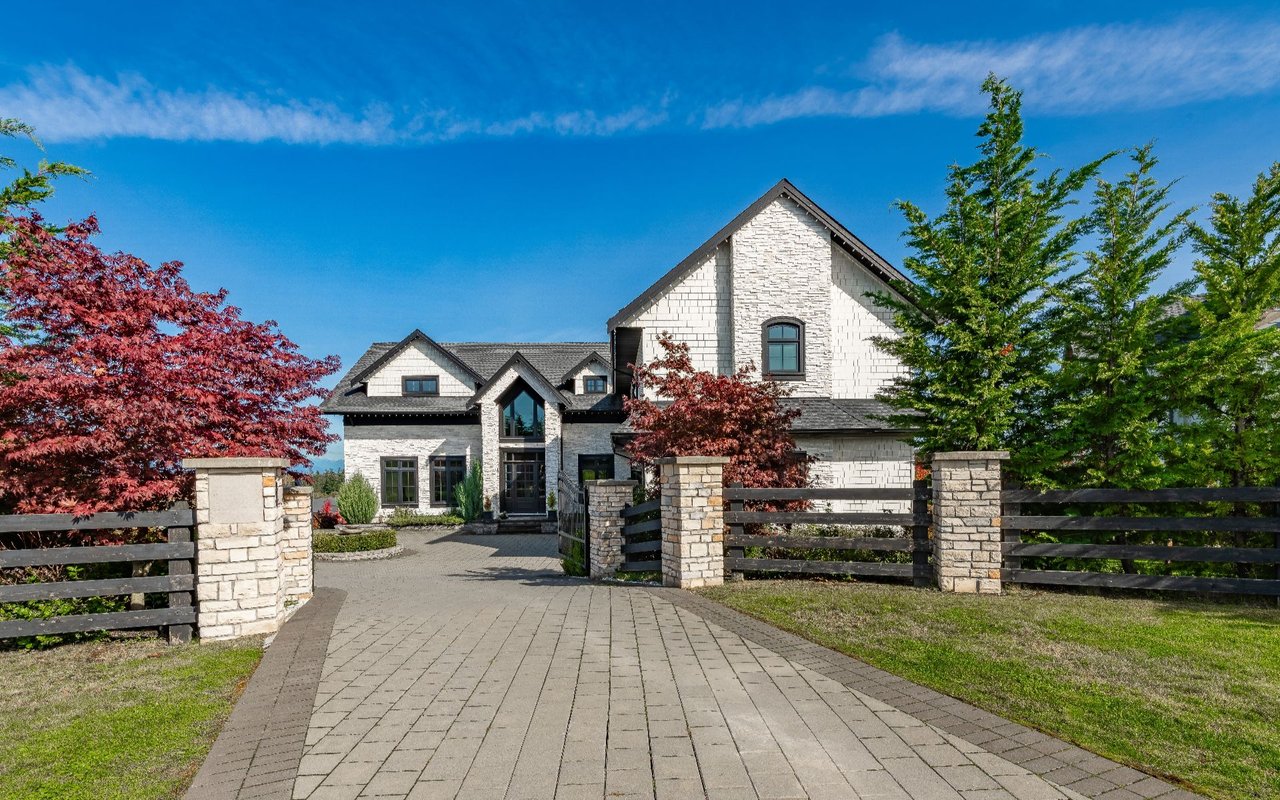
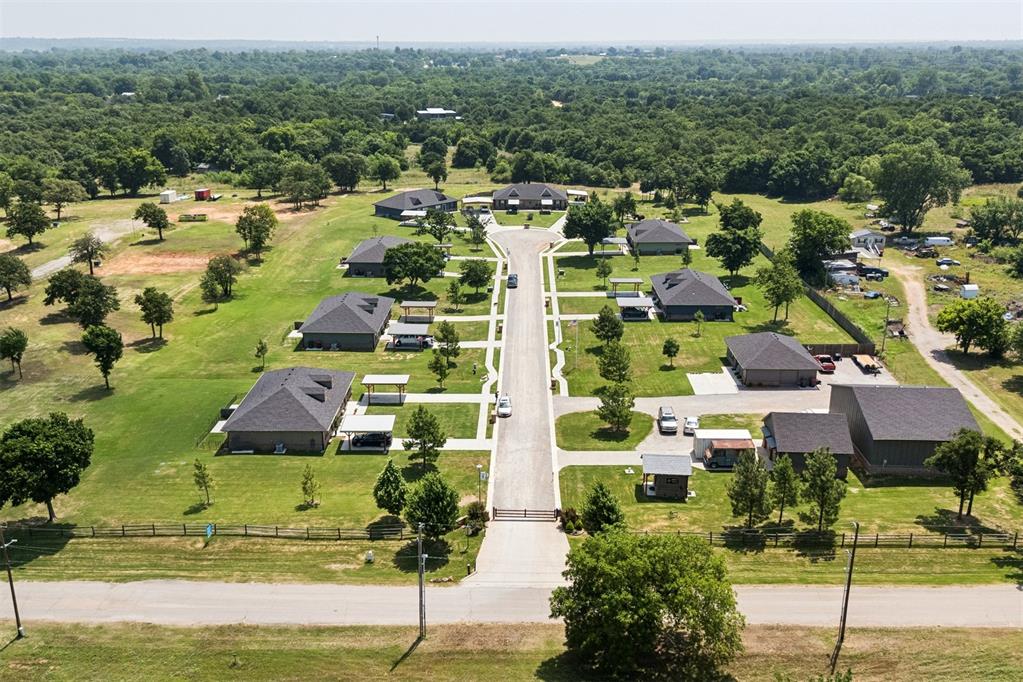
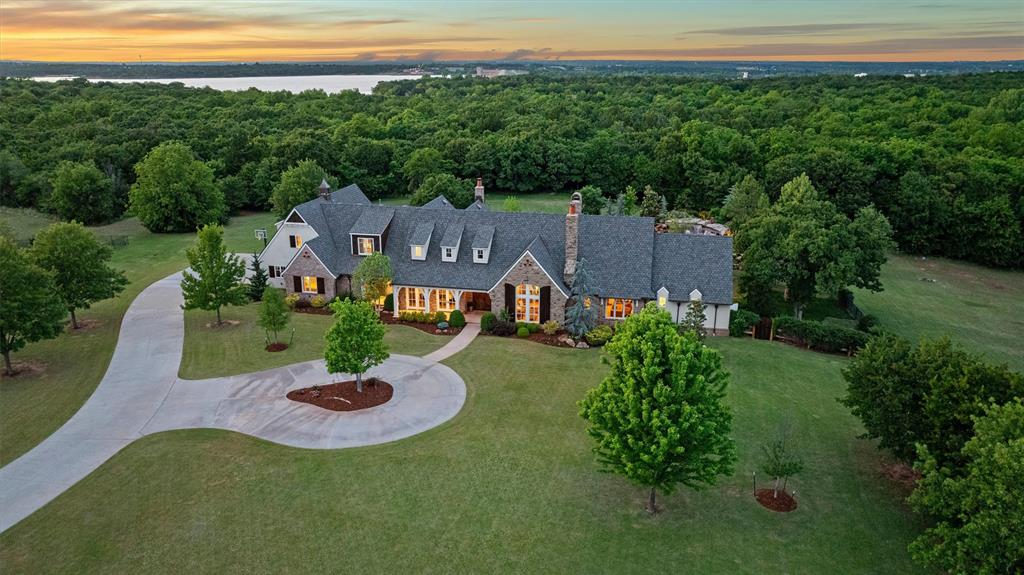
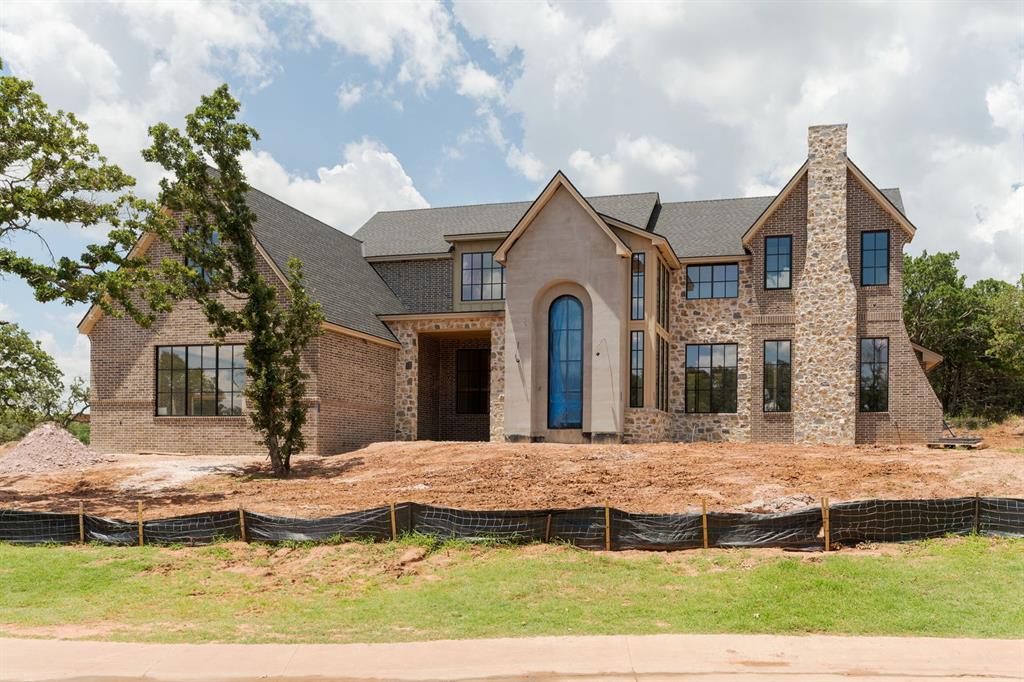
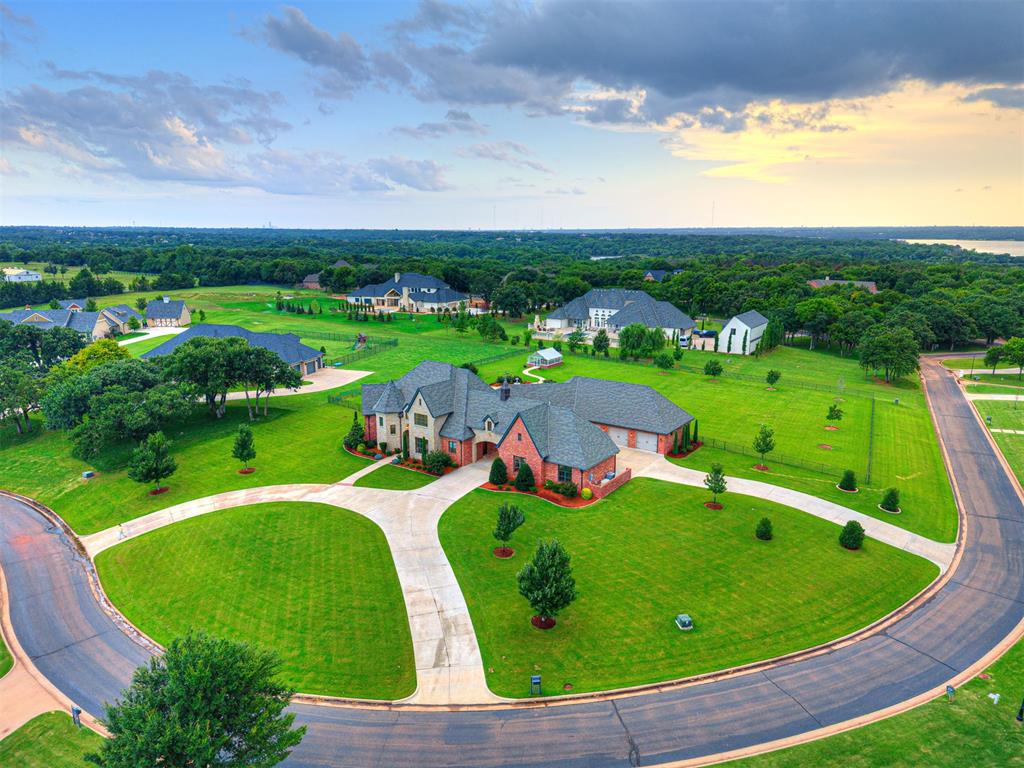
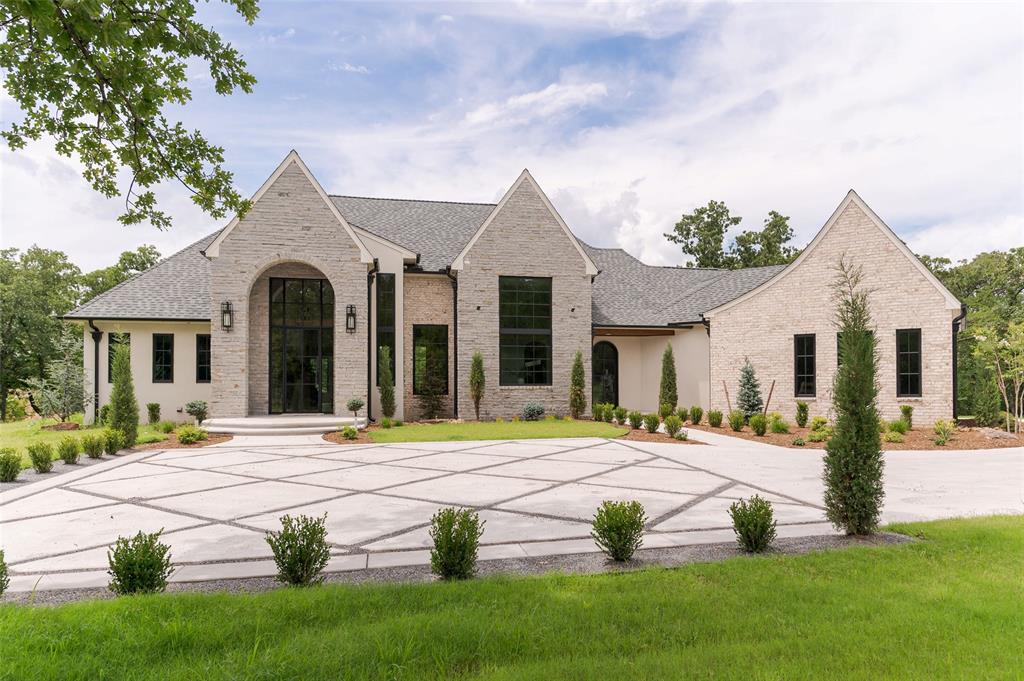
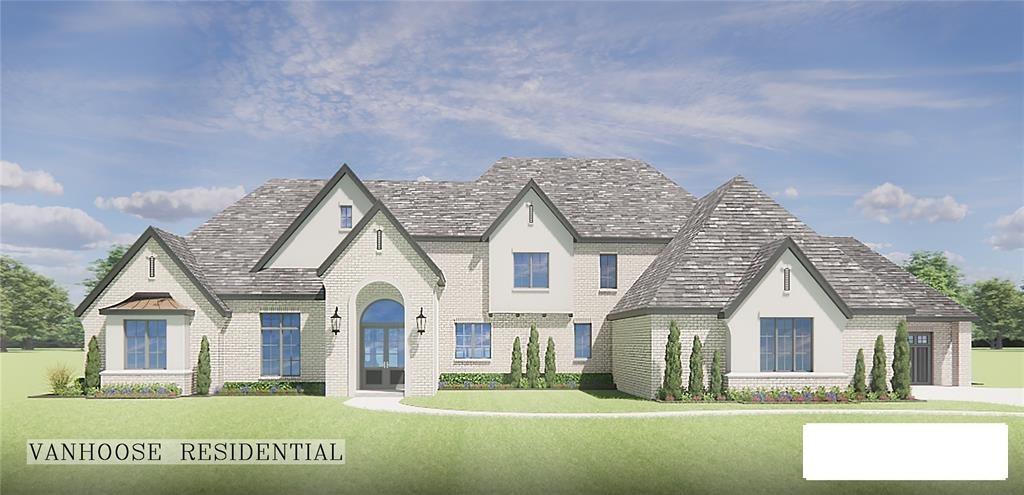
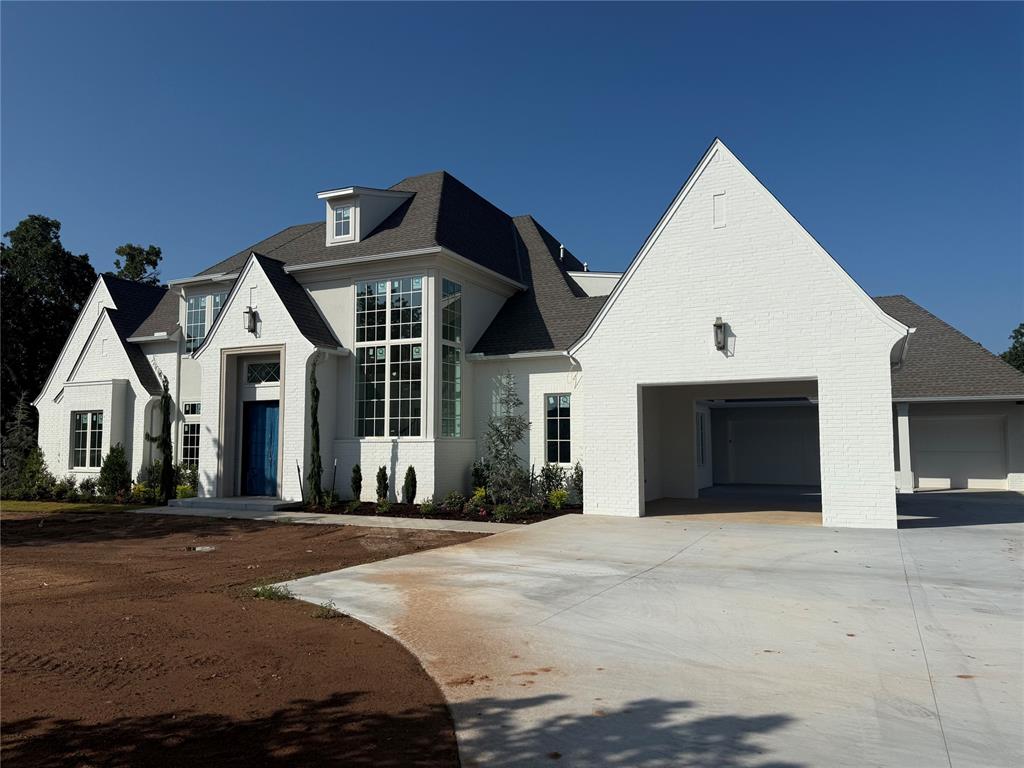
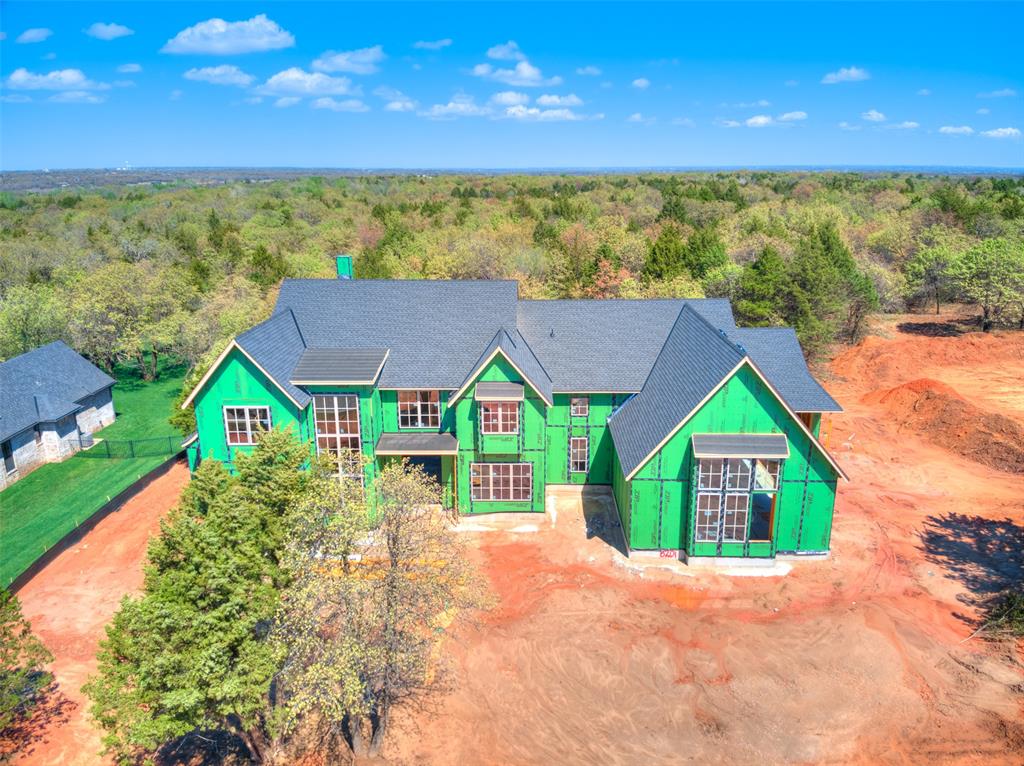
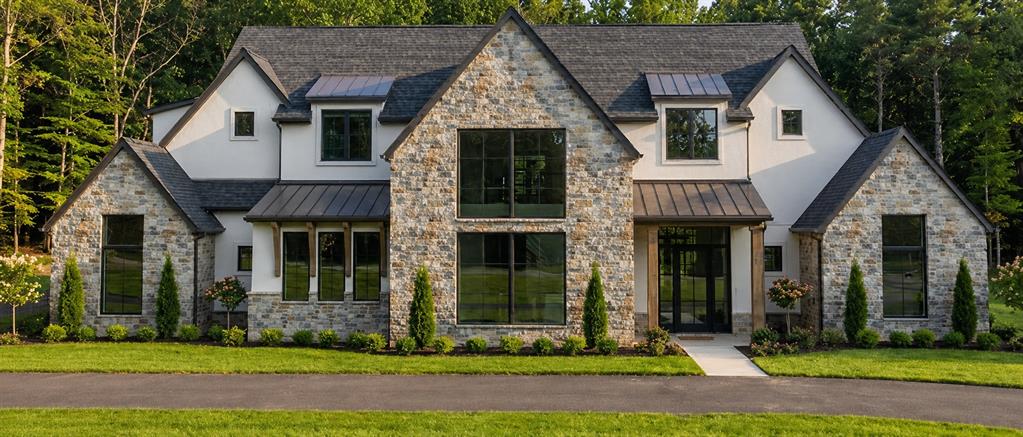
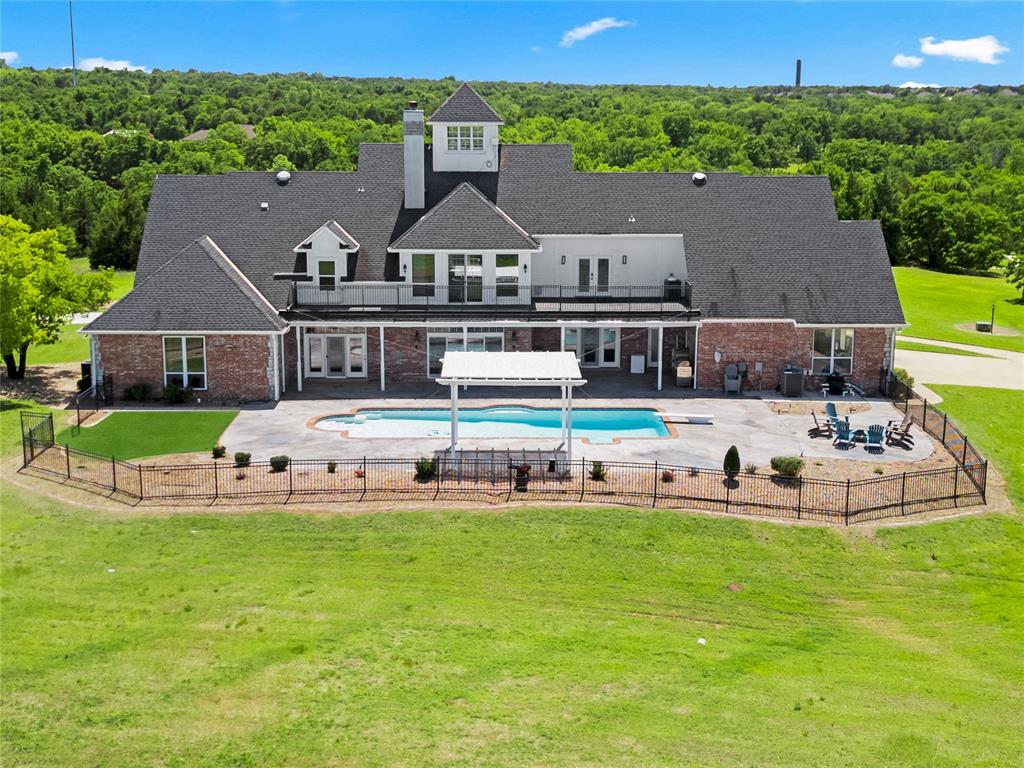
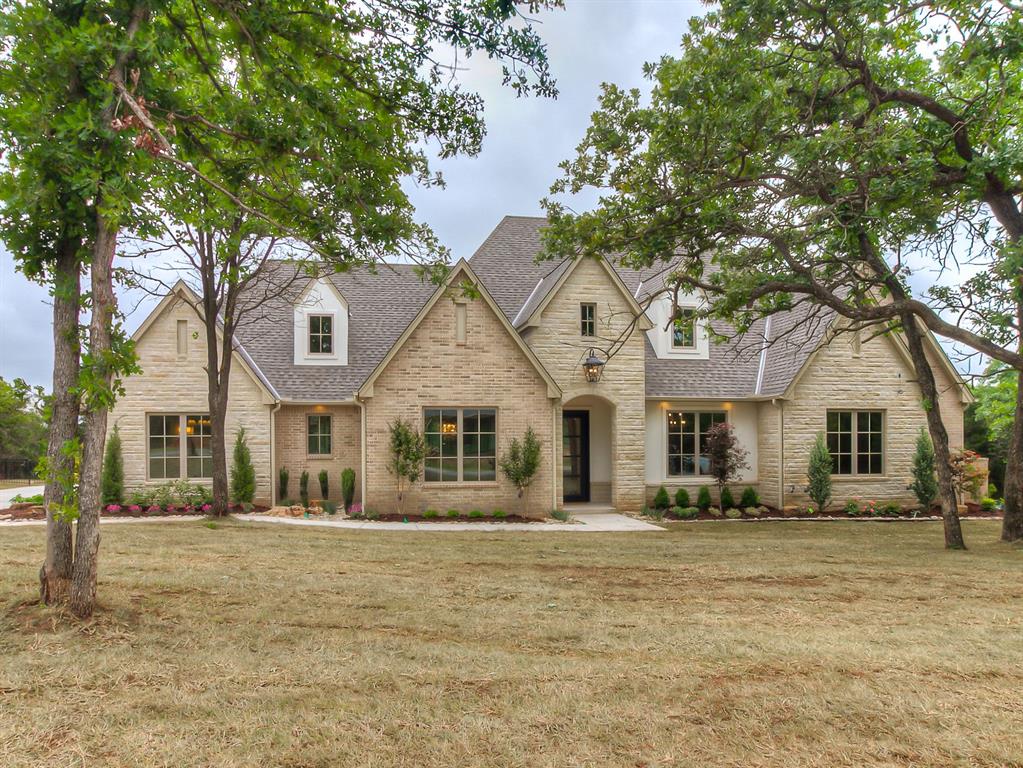
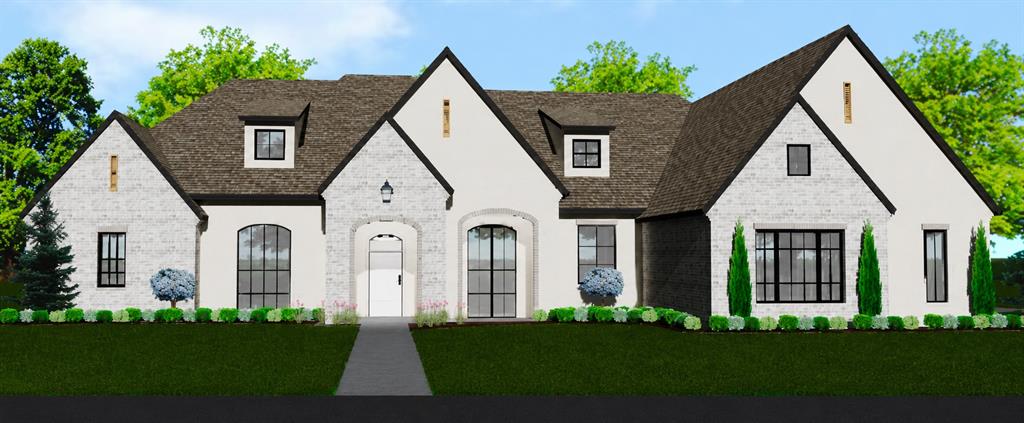
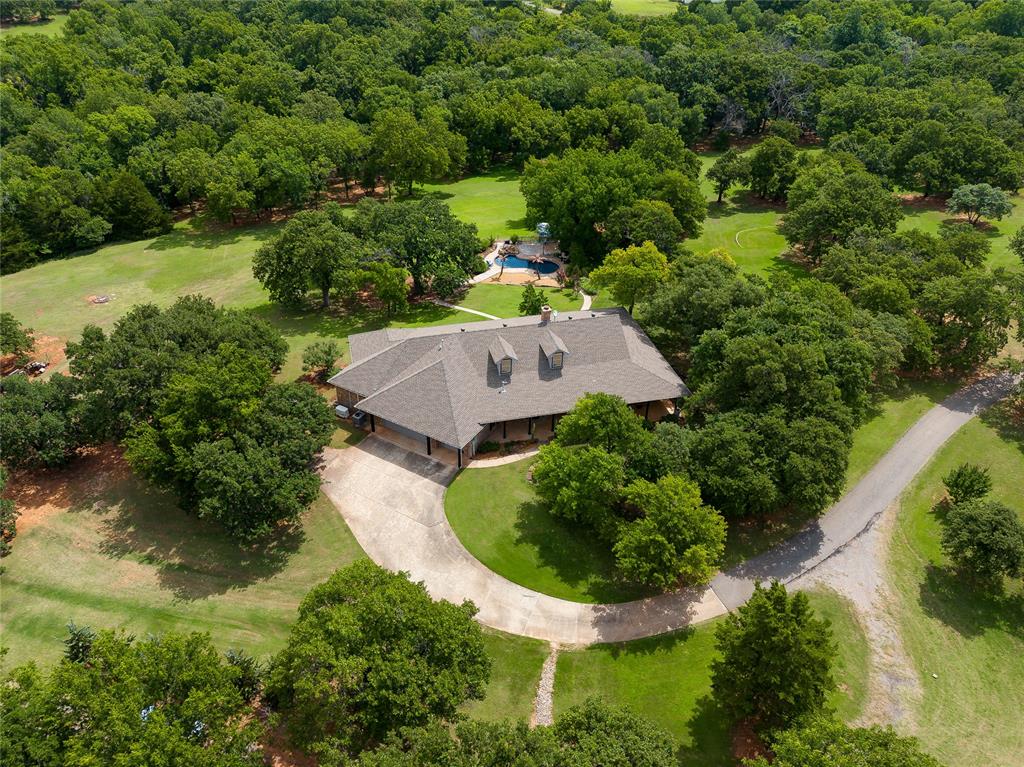
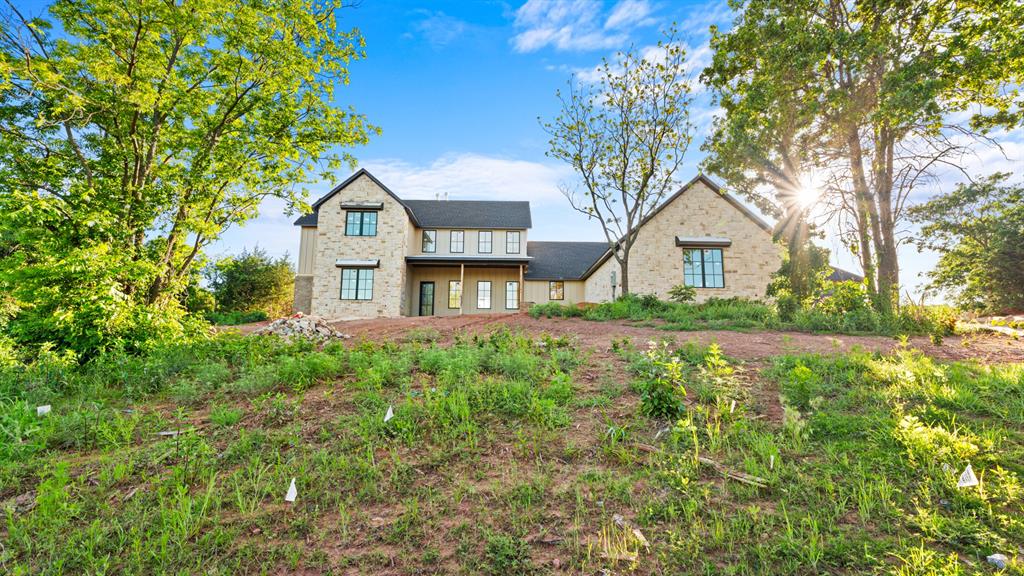
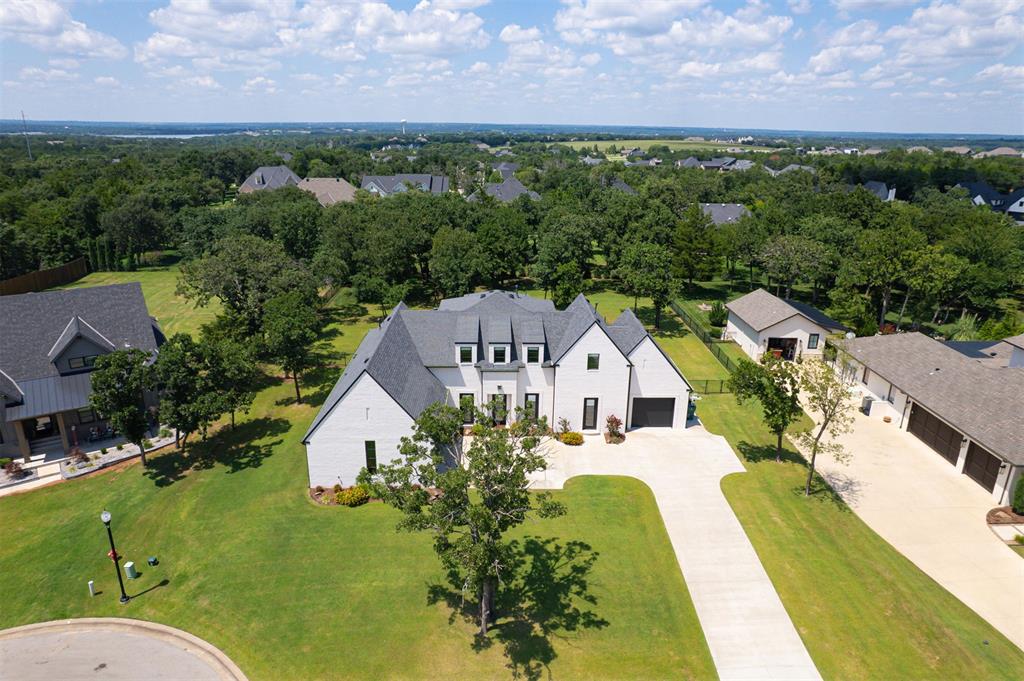
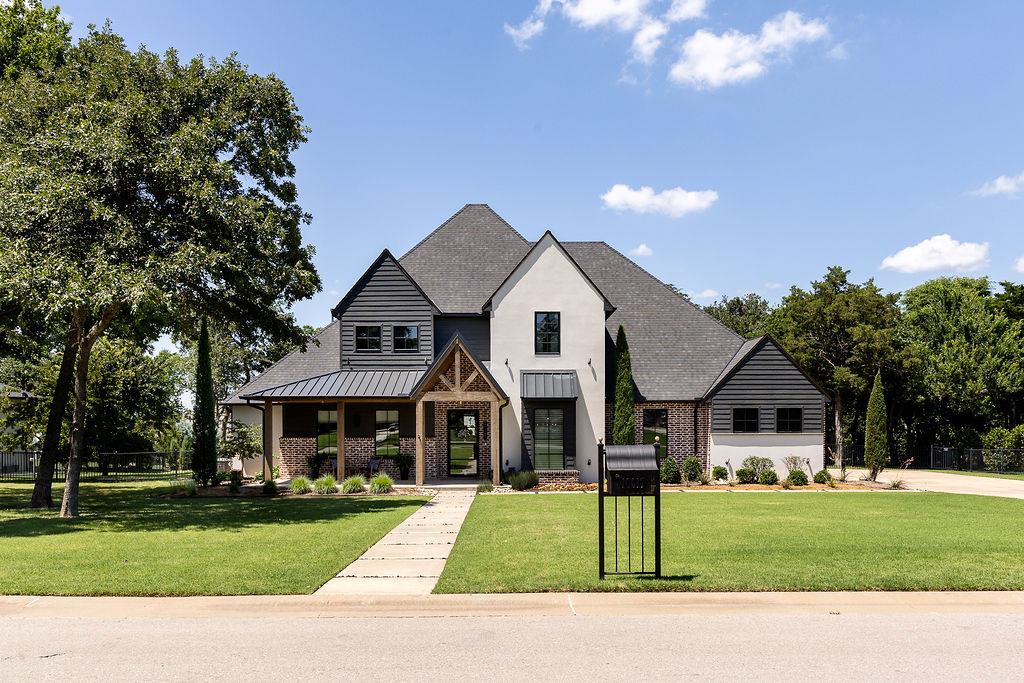
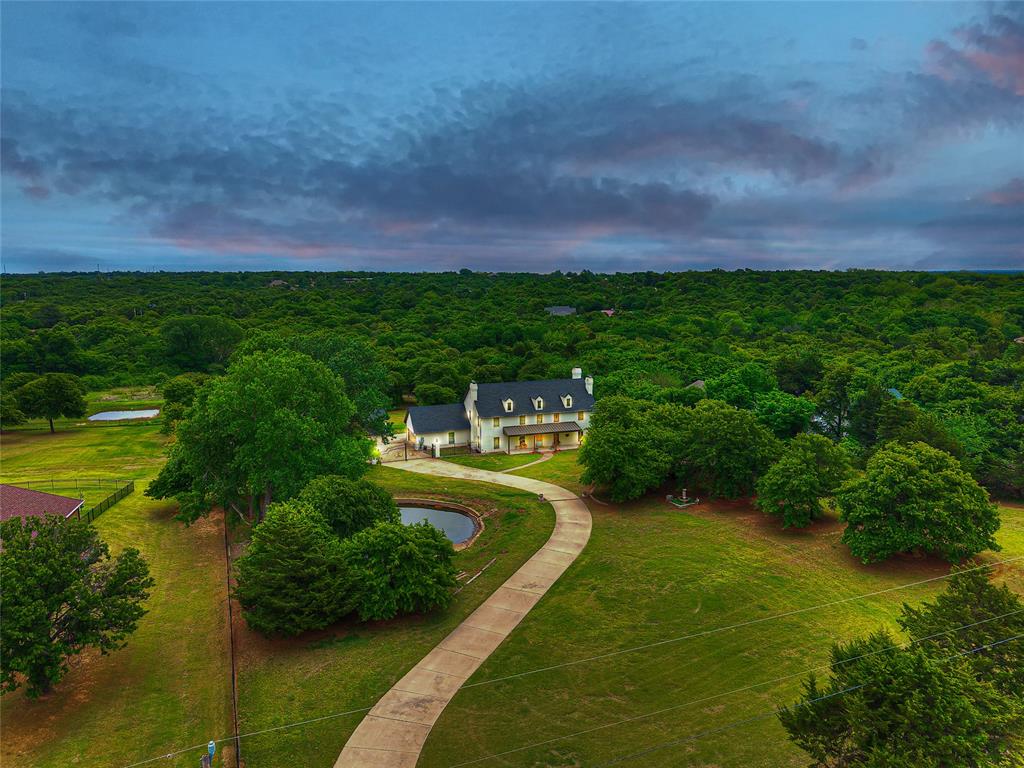
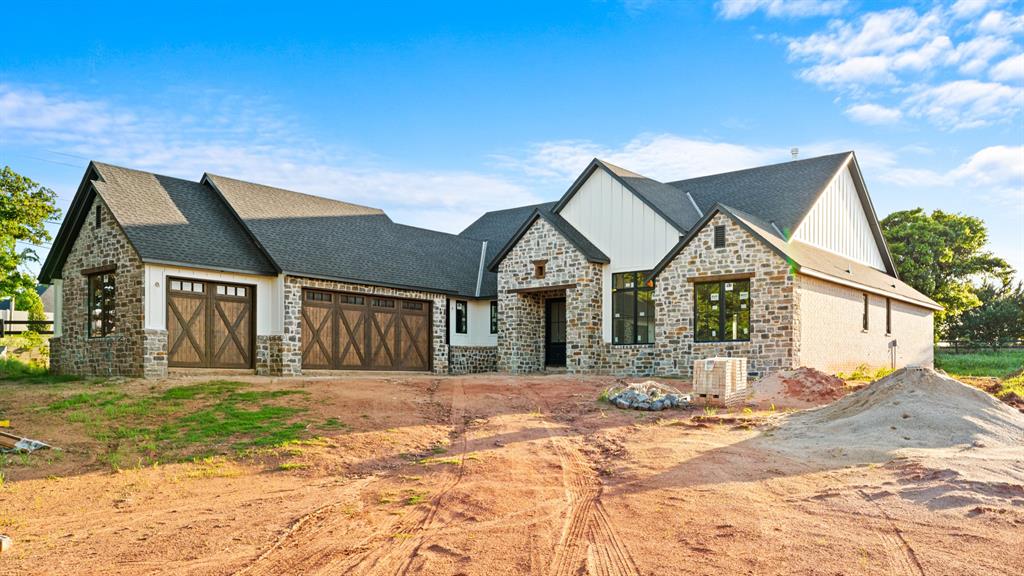
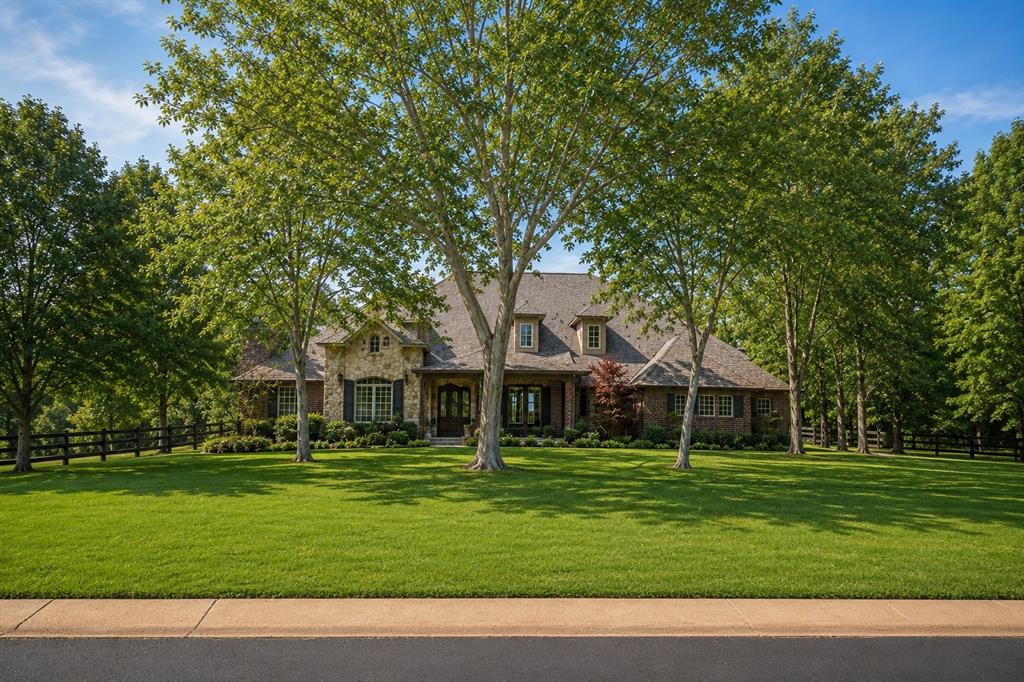
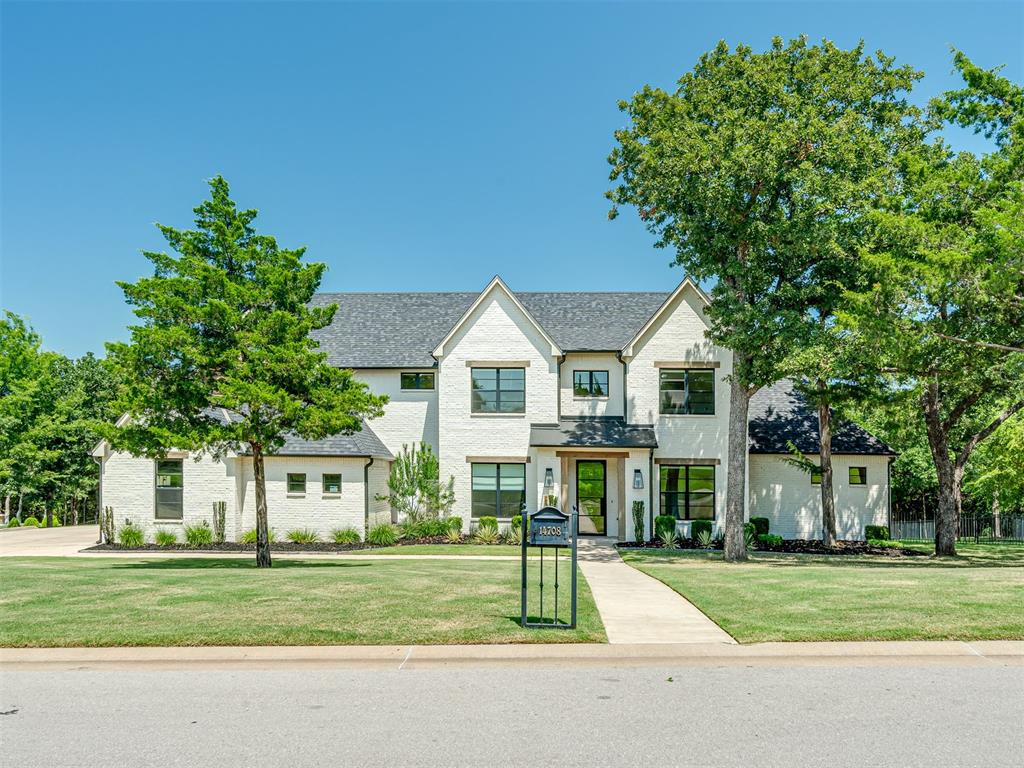
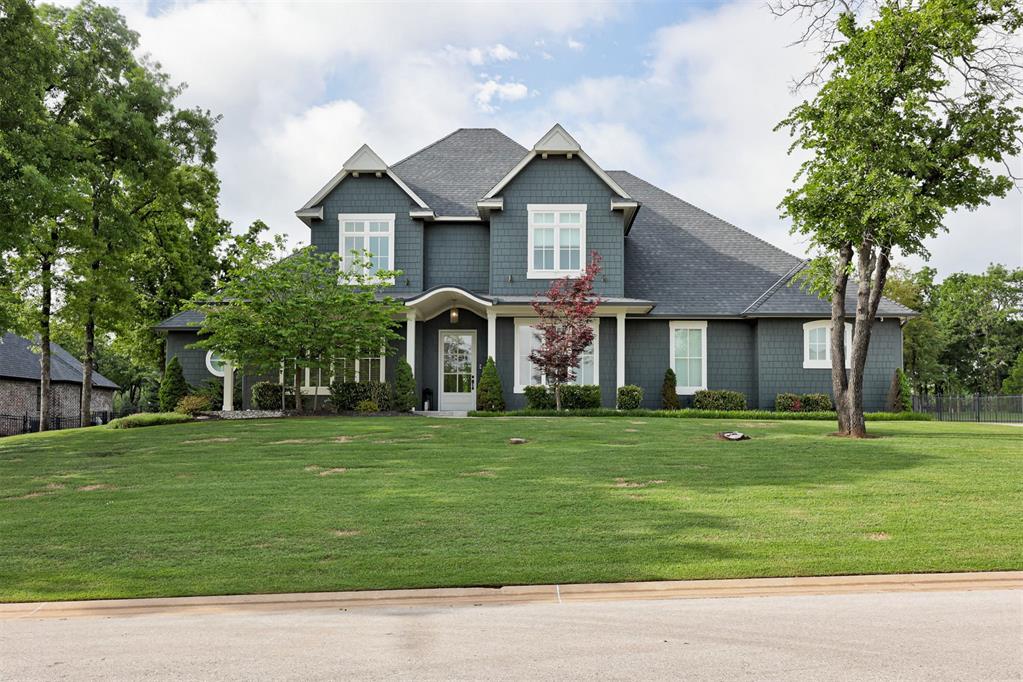
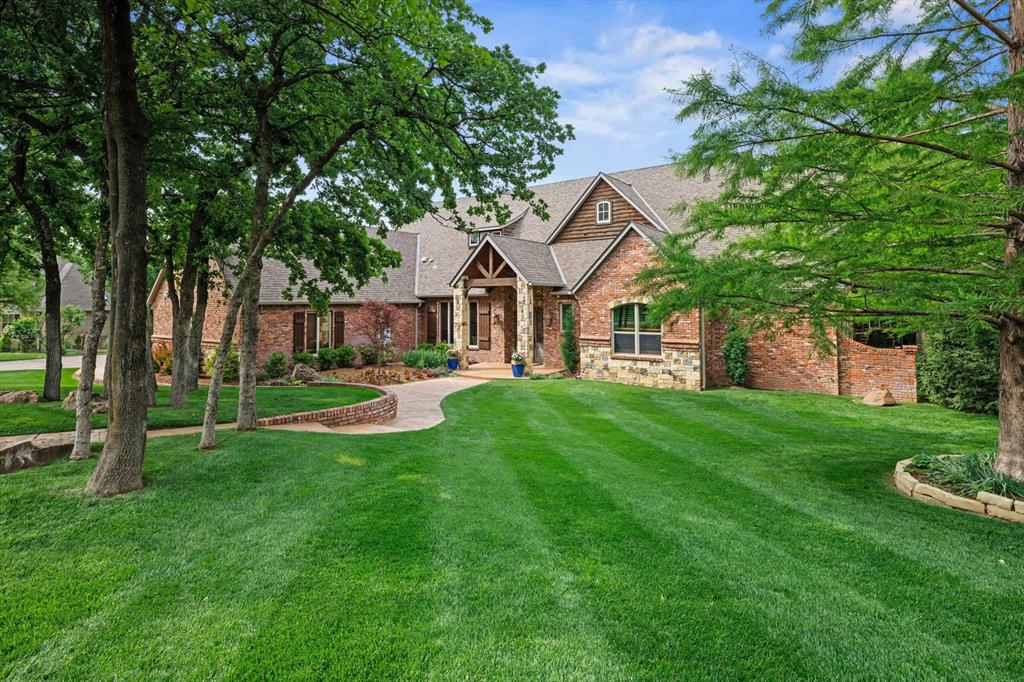
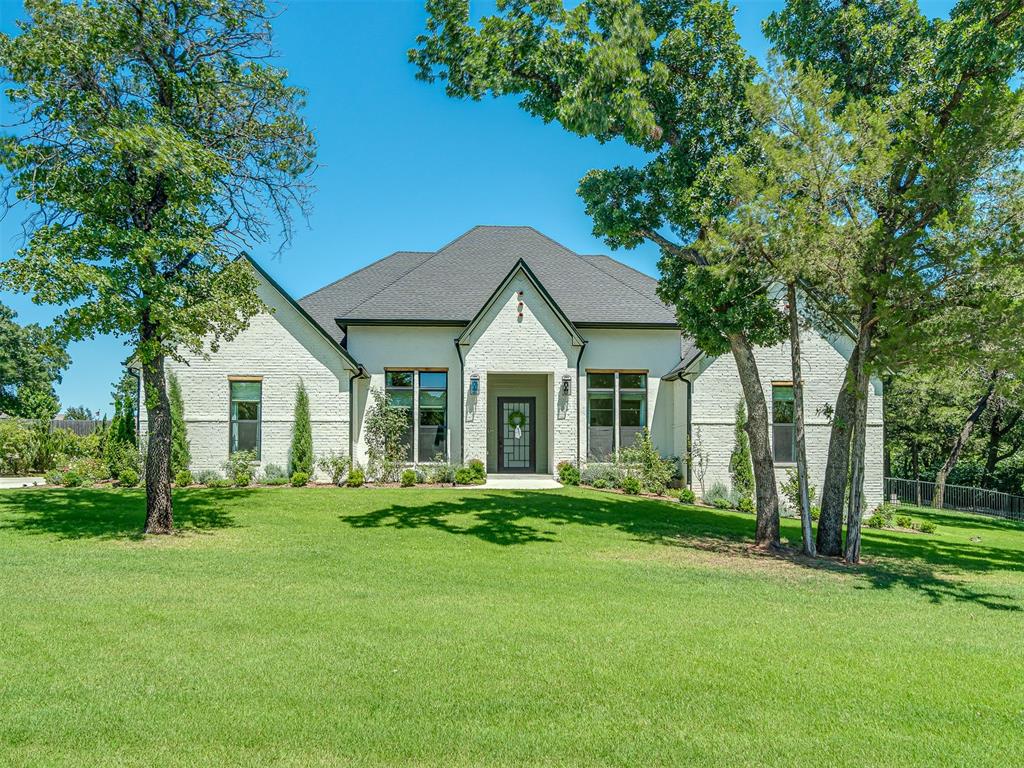
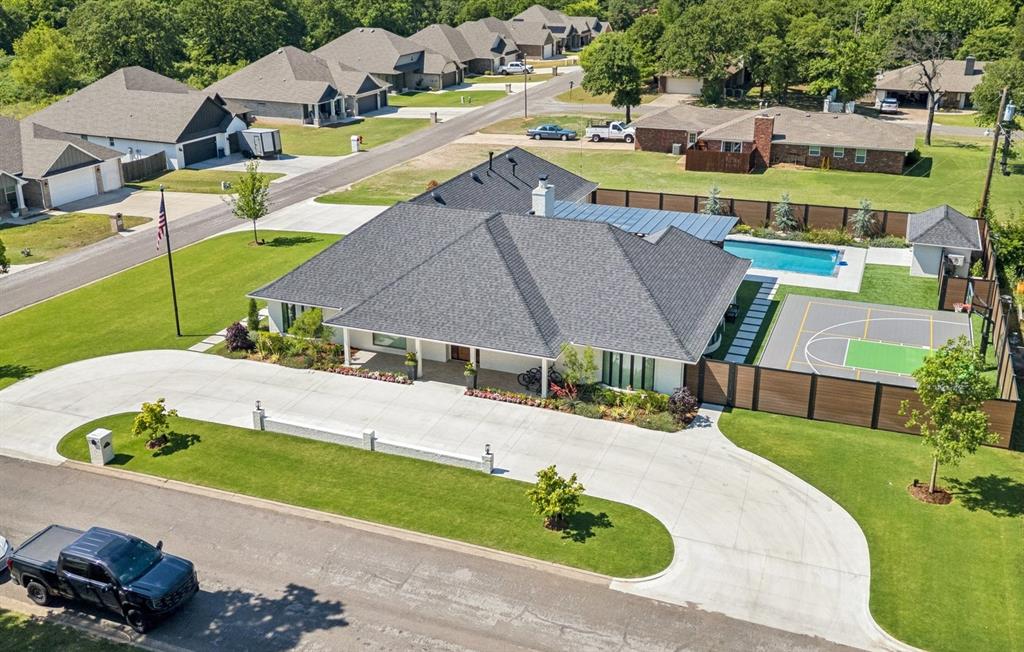
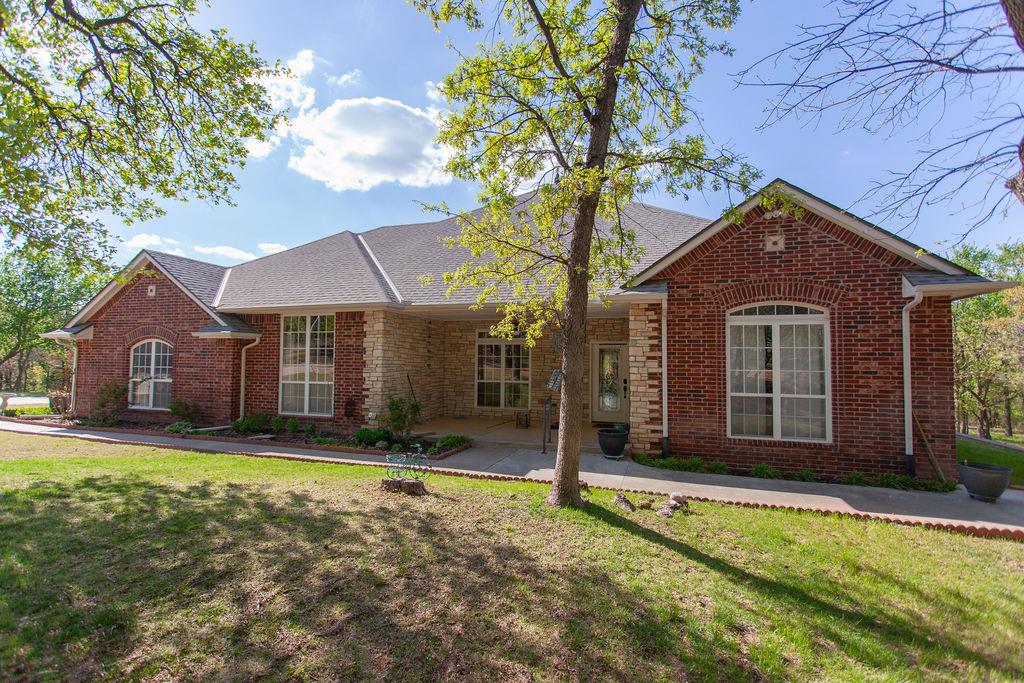
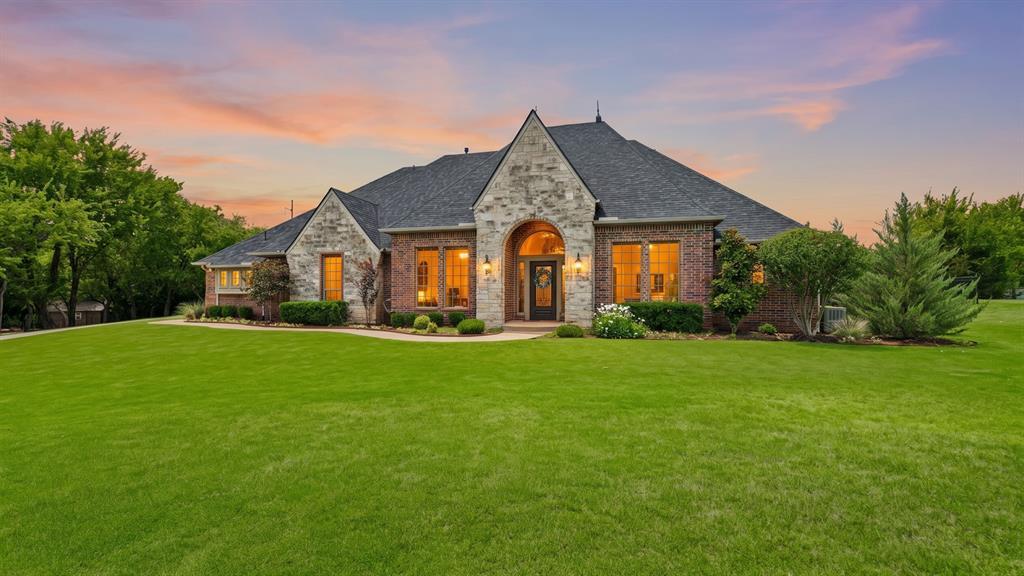
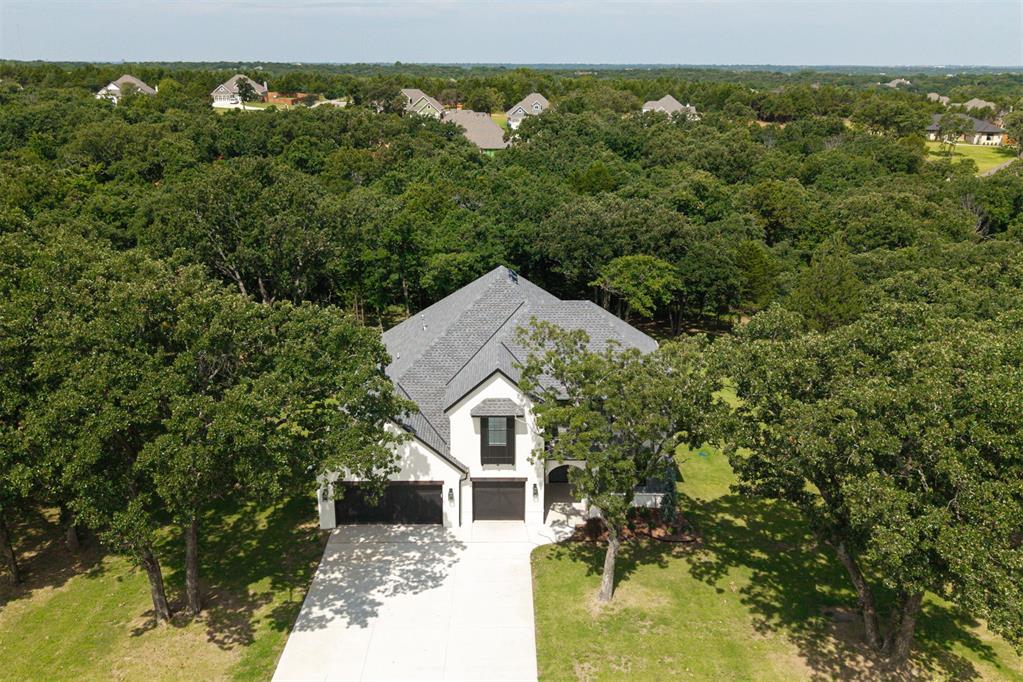
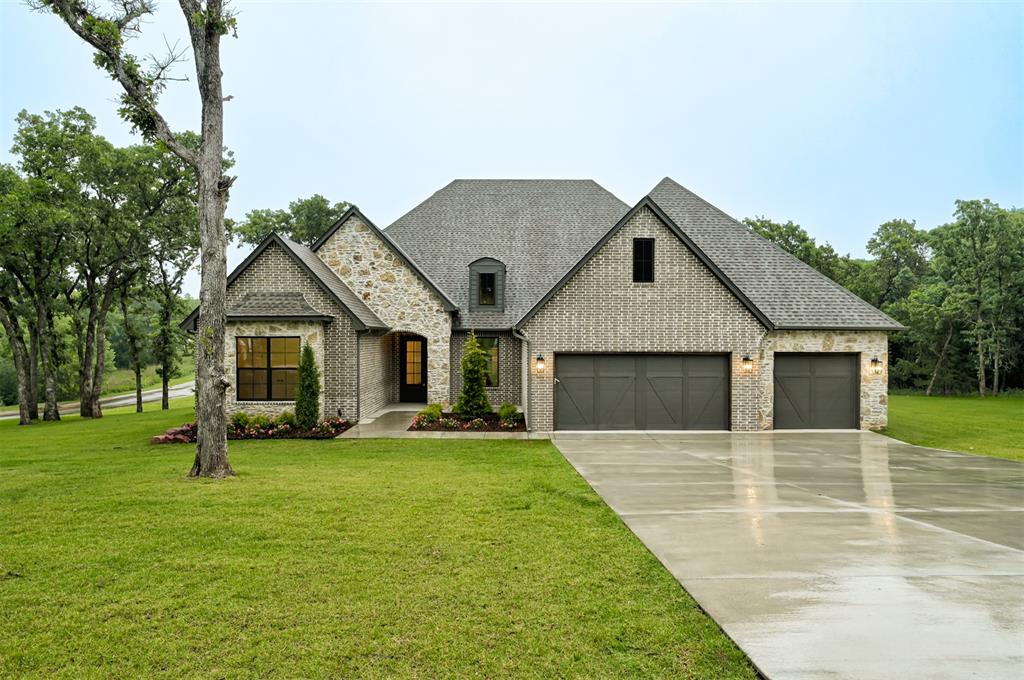
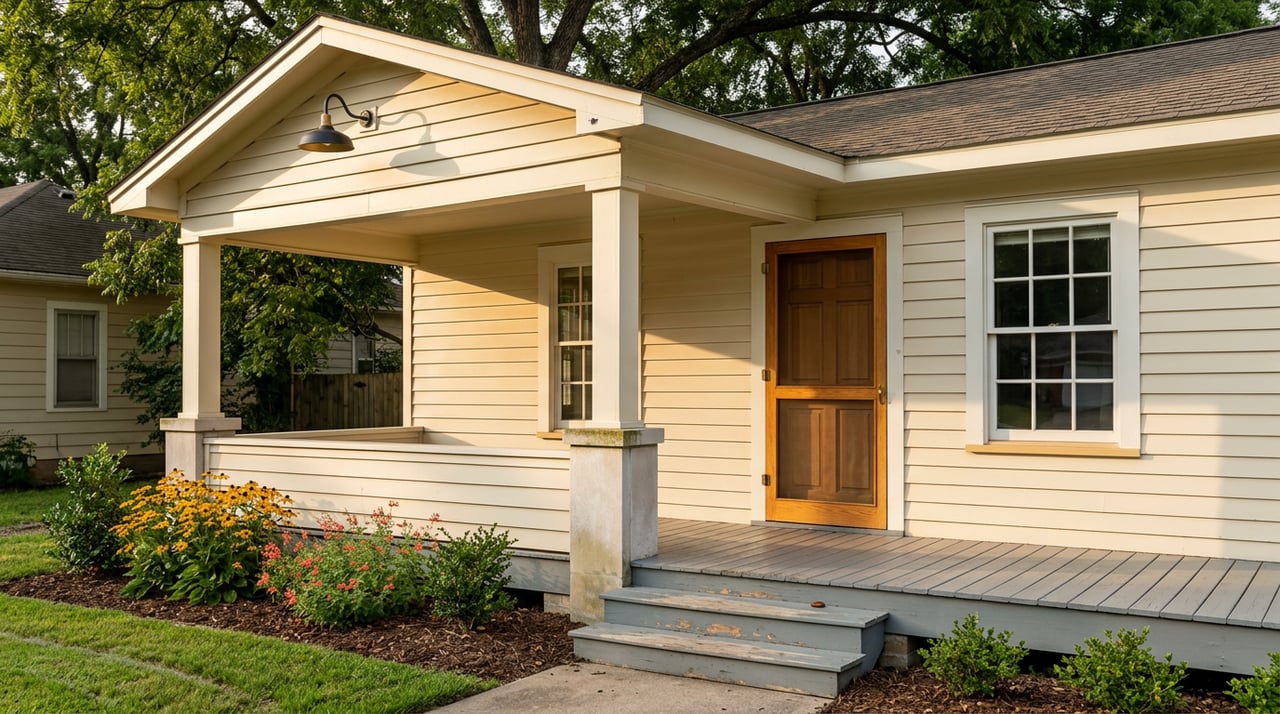
The housing stock reflects both histories. You'll find historic bungalows on modest lots alongside sprawling new-build estates on multi-acre tracts. Established subdivisions with HOA oversight sit a few miles from unincorporated land where the nearest neighbor might be a quarter mile away. That range gives Jones an unusually wide appeal — it attracts families chasing the school district, buyers who want acreage and agricultural freedom, and commuters who need the metro within reach but want nothing to do with metro density.
The community runs on school spirit and local tradition. High school athletics, the Old Settlers Day celebration, and the kind of neighbor familiarity that's largely vanished from Oklahoma City's inner suburbs are the defining cultural textures of life here. It is a place where that context matters as much as square footage.
Life in Jones moves at a deliberate pace, and for most residents, that's exactly the point. Mornings tend to be quiet. The commute into OKC, while required, takes under 30 minutes in most directions thanks to the Kickapoo Turnpike. Evenings and weekends orbit around the school, the land, and Arcadia Lake.
The social fabric is tight and real. People recognize each other at the Jones Supermarket. Friday night football at Jones Longhorns games is not a nostalgic affectation — it's genuinely the center of community life for a large portion of residents. Old Settlers Day draws the whole town out in a way that few suburbs can replicate.
The tradeoff is convenience. A spontaneous dinner out or a last-minute hardware run requires a drive. Fiber internet is available in many areas but not everywhere. Properties with wells and septic systems require more hands-on maintenance than city utilities. None of these are deal-breakers for buyers who've thought it through — but they do require an honest self-assessment about how you actually live day to day.
For buyers relocating from higher-density areas, the adjustment period is real and usually brief. The privacy, the space, and the sense that your property is genuinely yours tend to win people over quickly. The consistent feedback from residents who've made the move is that they wish they'd done it sooner.
Jones is a car-dependent community, and that's unlikely to change in the near term. Nearly all daily transportation happens by personal vehicle.
The Kickapoo Turnpike is the most important piece of infrastructure for Jones commuters, providing fast, direct access to I-40 and the eastern Oklahoma City bypass. Hiwassee Road and NE 63rd Street handle most of the local traffic and are well-maintained. Main Street sees periodic maintenance that can affect timing, so checking local traffic updates is worthwhile during those windows.
There is no fixed-route public transit serving Jones — no bus lines, no commuter rail. Relocating buyers coming from cities with transit infrastructure should plan for full vehicle dependency from day one. For regional air travel, Will Rogers World Airport in OKC is the primary hub, with Stillwater Regional Airport as an alternative.
Parking is a non-issue. Street parking in the commercial core, lot parking at community events, and multi-car driveways or garages at most residential properties mean the friction that defines parking in larger cities simply doesn't exist here.
Cycling is present but recreational rather than utilitarian. Paved county roads attract road cyclists, and Arcadia Lake's Spring Creek Trail provides a dedicated paved surface for that use. Dedicated bike lanes on main road corridors don't currently exist.
For a town its size, Jones has exceptional access to outdoor recreation — primarily through Arcadia Lake, which sits just a few miles northwest and functions as the community's backyard.
Arcadia Lake offers more than 15 miles of multi-use trails for hiking and mountain biking, designated camping and boating areas, fishing access, and the Spring Creek Trail for paved cycling. It's a genuine regional asset, not just a local pond, and buyers who prioritize outdoor recreation should weight proximity to the lake's entry points accordingly. Properties on the north side of Jones tend to offer the shortest drives in.
Jones City Park handles community-scale recreation — youth sports, pavilions, open fields, and the grounds for Old Settlers Day. It's modest by design but well-used and well-maintained.
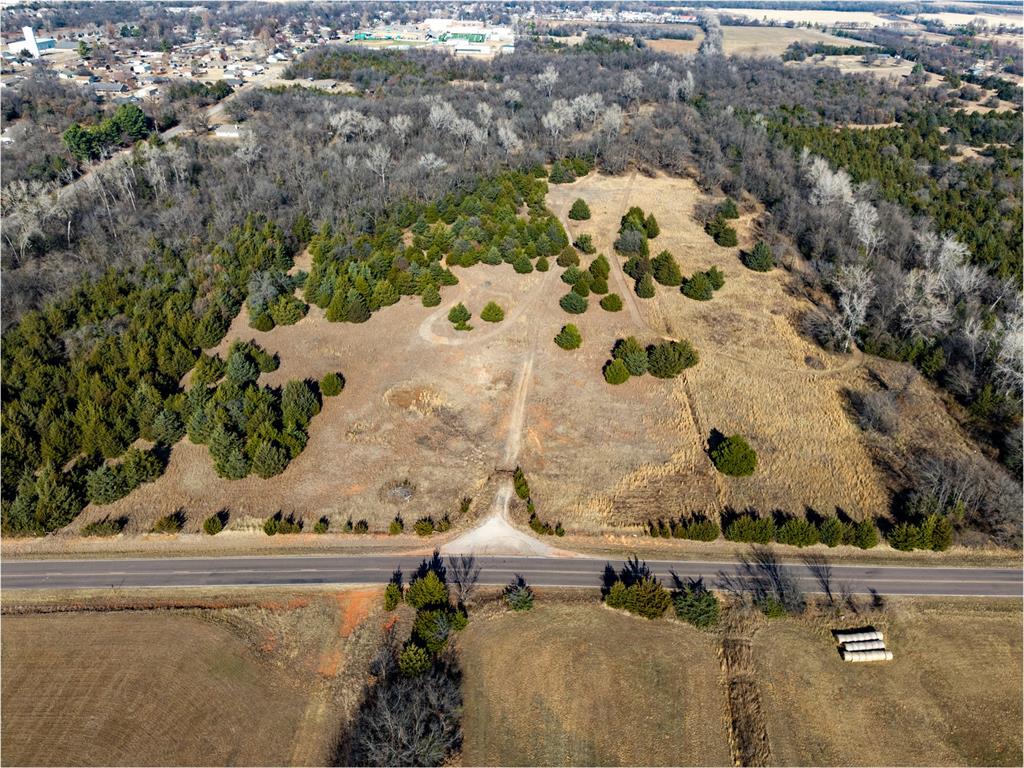
Beyond the lake and the park, many Jones buyers are effectively purchasing their own outdoor space. Lots ranging from two to ten or more acres make private recreation — gardening, ATV use, wildlife observation — a routine part of daily life rather than a weekend trip. For those wanting structured trail systems within a reasonable drive, the Lake Hefner trail network and the Katy Trail are accessible within 20–25 minutes.
If you're considering a move to Jones, working with someone who knows this market specifically — the school district boundaries, the well and septic landscape, which areas are in flood zones and which aren't — makes a meaningful difference in the outcome.
Allison Wanjon is a Jones-area real estate expert with deep roots in the Oklahoma County market. Whether you're a first-time buyer trying to make sense of the acreage options, a family relocating for the school district, or a seller trying to price accurately in today's balanced market, Allison brings the local knowledge and straight-forward guidance to help you make a confident decision.
Reach out to Allison directly to discuss your timeline, your priorities, and what's currently available in Jones. The best conversations happen before the search gets complicated.
There's plenty to do around Jones, including shopping, dining, nightlife, parks, and more. Data provided by Walk Score and Yelp.
Explore popular things to do in the area, including Shuff's Main St Grill.
Jones has 2,451 households, with an average household size of 2.86. Data provided by the U.S. Census Bureau. Here’s what the people living in Jones do for work — and how long it takes them to get there. Data provided by the U.S. Census Bureau. 7,123 people call Jones home. The population density is 111 and the largest age group is Data provided by the U.S. Census Bureau.
Total Population
Population Density Population Density This is the number of people per square mile in a neighborhood.
Median Age
Men vs Women
Population by Age Group
0-9 Years
10-17 Years
18-24 Years
25-64 Years
65-74 Years
75+ Years
Education Level
Total Households
Average Household Size
Average individual Income
Households with Children
With Children:
Without Children:
Marital Status
Blue vs White Collar Workers
Blue Collar:
White Collar: