189,595 people live in Edmond, where the median age is 36.5 and the average individual income is $54,739. Data provided by the U.S. Census Bureau.
Total Population
Median Age
Population Density Population Density This is the number of people per square mile in a neighborhood.
Average individual Income
Edmond, Oklahoma is not merely a suburb — it is the aspirational standard by which every other community in the state measures itself. Often called the "Crown Jewel of the Sooner State," Edmond occupies that rare and enviable position of being simultaneously a self-sufficient city and the premier bedroom community of the Oklahoma City metropolitan area. It is a place where championship golf courses sit within a few miles of wooded lakeside trails, where nationally ranked public schools share zip codes with world-class concert halls, and where a thriving downtown dining scene coexists comfortably with the quiet, tree-lined streets of established residential neighborhoods.
What defines Edmond above all else is a culture of deliberate excellence. Residents here are deeply civic-minded — they show up to city council meetings, they volunteer, they invest in their schools, and they take genuine pride in the city's reputation as one of the best places to live in America. The lifestyle is often described as "Luxury Meets Local": high standards of living without the pretension or impersonality of a major metropolis. Children grow up riding bikes through wooded parks; families spend summer weekends at Arcadia Lake; neighbors gather monthly at Heard on Hurd for live music and local food. There is a warmth and groundedness to everyday life here that is difficult to manufacture — and in Edmond, it is entirely authentic.
For anyone evaluating a relocation, a real estate investment, or simply trying to understand what separates Edmond from the dozens of other growing suburbs across the American Sunbelt, the answer is straightforward: Edmond has depth. Its history is real, its institutions are strong, its landscape is distinctive, and its community is engaged. This guide will walk you through all of it.
The story of Edmond is, in many respects, the story of the American West compressed into a remarkably short timeline — from open prairie to thriving city in less than 150 years, with each era leaving a visible and lasting imprint on the built environment and community identity.
It began not with settlers, but with a railway. In 1887, the Santa Fe Railway established a coaling and watering station on the Oklahoma prairie, naming it after Edmond Burdick, a freight agent for the line. For two years, the "town" consisted of little more than a solitary shack. Then came April 22, 1889 — the date of the Great Land Run — and everything changed overnight. By sunset of that single day, the dusty watering stop had transformed into a tent city of thousands, each settler having staked their claim to 160 acres of Oklahoma Territory. It was one of the most dramatic urban births in American history.
What followed was a remarkably rapid institutionalization. In 1890 — just one year after the Land Run — Edmond became the site of the first territorial normal school, a teachers' college that would eventually grow into the University of Central Oklahoma (UCO). This early commitment to education was not incidental; it fundamentally shaped Edmond's identity and set the cultural tone for everything that came after.
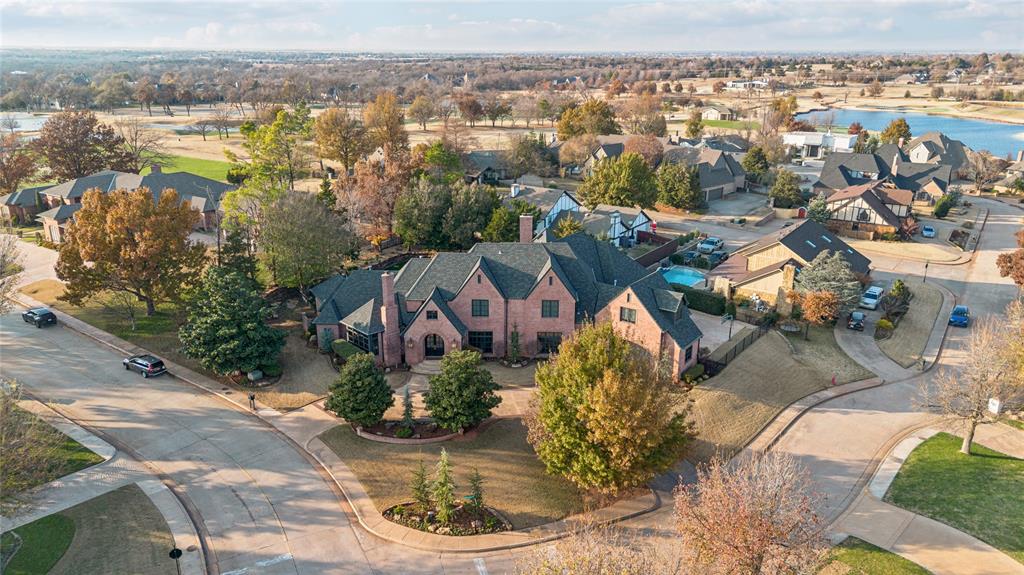
Architecturally, the city evolved through three recognizable phases. The pioneer era was defined by practical necessity: wood-frame structures and sod houses built for survival, not aesthetics. As the town stabilized in the early 1900s, the downtown core was rebuilt in durable red brick — much of which still stands today in the Historic Downtown Edmond district, giving the area a genuine sense of material continuity with its past. The mid-20th century brought Route 66 through the city, with all the commercial energy and Americana that implied, followed by the post-WWII suburban expansion that introduced ranch-style homes and, eventually, the master-planned communities and Mediterranean-style estates that now define Edmond's high-end residential landscape.
The modern era has been characterized by sustained, high-quality growth. Edmond has consistently attracted affluent families drawn by its school district's national reputation, its proximity to Oklahoma City's employment base, and a quality of life that few comparably sized cities can match. Unlike many American suburbs that grew rapidly at the cost of character, Edmond has managed its expansion with enough intentionality to preserve what makes it worth living in.
Edmond occupies the northern anchor of the Oklahoma City Metropolitan Statistical Area, positioned in Oklahoma County approximately 15 miles north of downtown Oklahoma City. This placement is one of its defining strategic advantages — close enough to the state's urban and economic core to be fully integrated into it, yet distant enough to maintain the texture and pace of a distinct, self-contained community.
The city's borders are well-defined by both geography and municipal boundaries. To the south, Edmond transitions into North Oklahoma City, specifically the Quail Springs corridor. The western boundary abuts Deer Creek, while the northern edge gives way to Logan County and the city of Guthrie. To the east, Arcadia and Jones mark the transition out of Edmond's sphere.
The physical landscape defies the flat, featureless prairie that many people associate with Oklahoma. Edmond sits within the Cross Timbers ecological region — a transitional zone characterized by rolling hills, iron-rich red soil, and dense stands of blackjack and post oak trees. The result is a city with genuine topographic variation: wooded eastern edges, open rolling terrain through the center, and the dramatic red clay exposures that give Oklahoma its most iconic visual identity.
Anchoring the eastern boundary is Arcadia Lake, a large man-made reservoir that provides 26 miles of shoreline and serves as the city's premier outdoor recreation destination. The lake is fed by the North Canadian River watershed and functions not only as a recreational asset but as part of the regional water supply infrastructure — a detail that underscores both its permanence and its importance to the community.
Climate-wise, Edmond sits squarely within the humid subtropical zone and, more specifically, within Tornado Alley. Summers are genuinely hot — temperatures regularly exceed 38°C (100°F) — and the spring season brings active severe weather. The city's rolling terrain can influence localized wind patterns during storm events, a meteorological reality that every prospective resident should understand before purchasing a home.
As of early 2026, the Edmond housing market operates in what analysts are characterizing as a selective seller's market — a phase defined by meaningful inventory constraints, sustained demand, and buyers who have grown increasingly discerning about value and condition. Understanding the nuances of this market is essential whether you are entering it as a buyer, seller, or investor.
The median sale price currently ranges from approximately $375,000 to $415,000 — a figure that reflects both Edmond's premium positioning and the normalization that has followed the rapid appreciation of the early 2020s. While prices experienced a modest correction of roughly 1.7% in early 2026 compared to the prior year, they remain dramatically above the Oklahoma statewide median of $279,900. This premium is not arbitrary; it reflects the tangible differentials in school quality, infrastructure investment, park access, and overall quality of life that Edmond consistently delivers.
Supply remains the dominant market force. At approximately 2.7 months of available inventory, Edmond sits far below the six months typically associated with a balanced market. This constraint continues to exert upward price pressure on well-maintained, move-in-ready homes — particularly those situated within the most desirable school district boundaries. The average time to go under contract ranges from 46 to 58 days across the broader market, but "hot" listings in premium zones — the Deer Creek or Edmond Memorial attendance areas, for instance — frequently go pending in under two weeks.
Annual appreciation has settled into a steadier and more sustainable range of 2% to 4%, a welcome stabilization after years of double-digit swings that created significant affordability challenges. This normalization is healthy for the long-term market and makes Edmond a more predictable environment for buyers planning to hold properties for five to ten years.
One important market dynamic: homes priced above their actual market value are no longer surviving on optimism alone. Approximately 18 to 28% of current listings are experiencing price reductions after failing to attract offers at their initial ask. The days of pricing speculatively and waiting for the market to catch up are, for now, over.
Edmond's residential inventory spans a remarkably wide range of product types, architectural styles, price points, and lot configurations — a breadth that makes the city accessible to buyers at multiple life stages while preserving its distinct character as a predominantly single-family residential community.
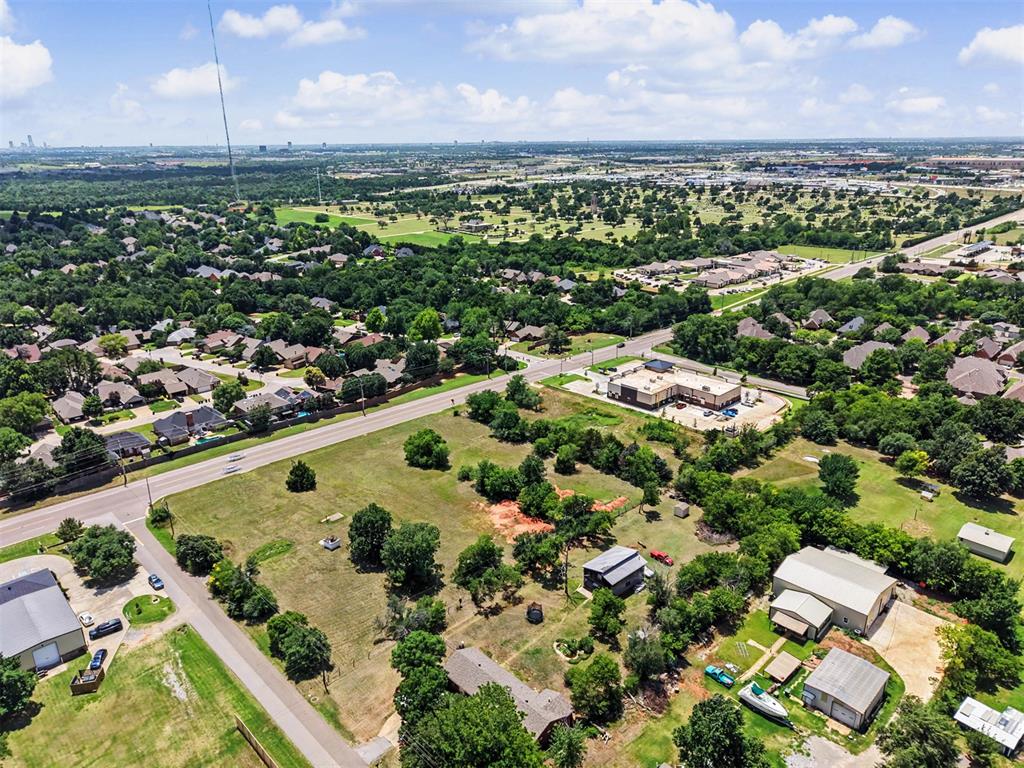
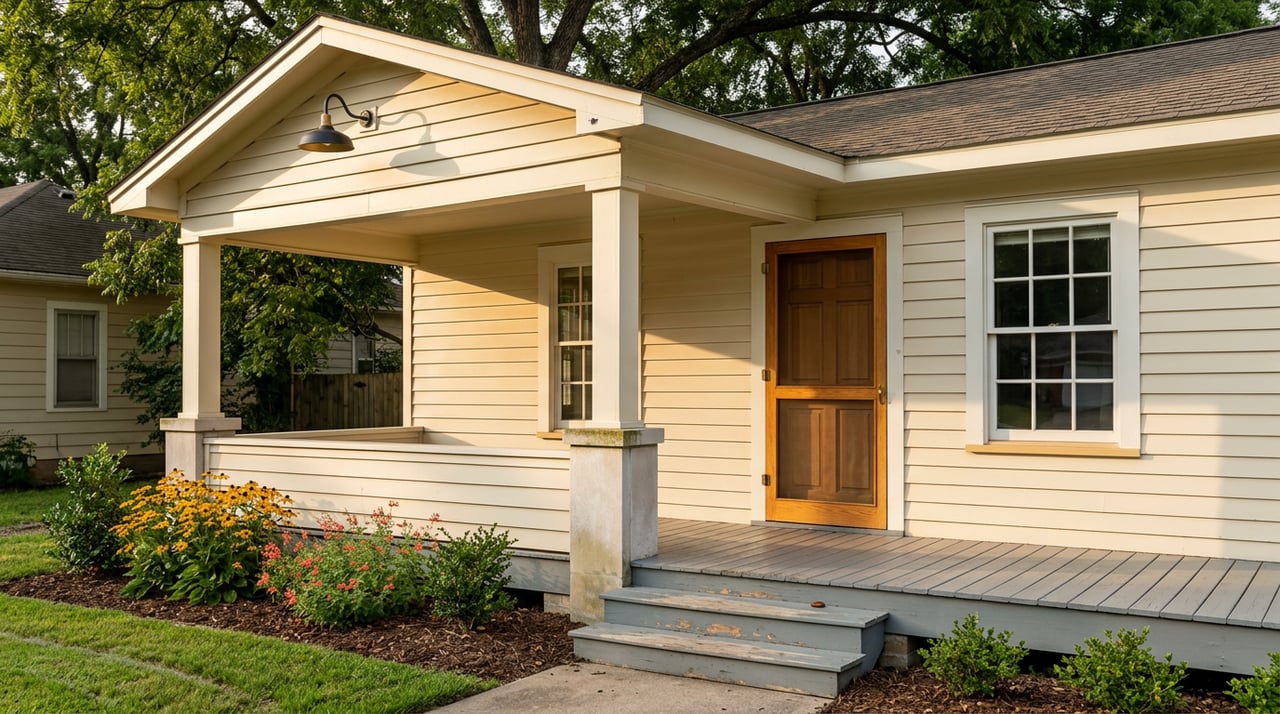
The backbone of the housing stock is the established single-family neighborhood. In central Edmond — particularly in the corridors surrounding UCO — you will find mid-century ranch-style homes and 1970s traditional builds characterized by generous lot sizes, mature tree canopies, and the kind of neighborhood permanence that newer developments simply cannot replicate. These homes typically offer exceptional value per square foot relative to their eastern and northern counterparts.
Moving outward, Edmond's master-planned communities represent the city's dominant residential growth model. Developments like Valencia, The Grove, and Coffee Creek offer the full amenity package — community pools, walking trails, pocket parks, and cohesive architectural standards — that appeal strongly to families with children and buyers seeking an active outdoor lifestyle integrated into their immediate neighborhood.
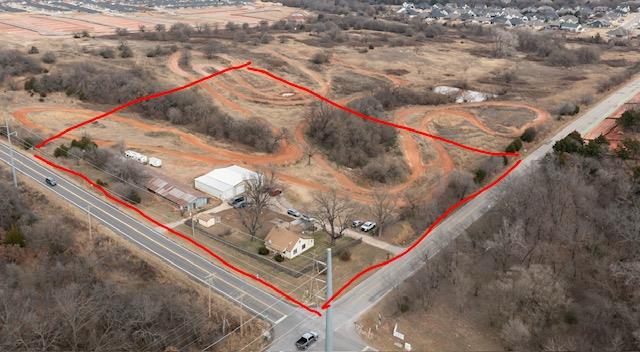
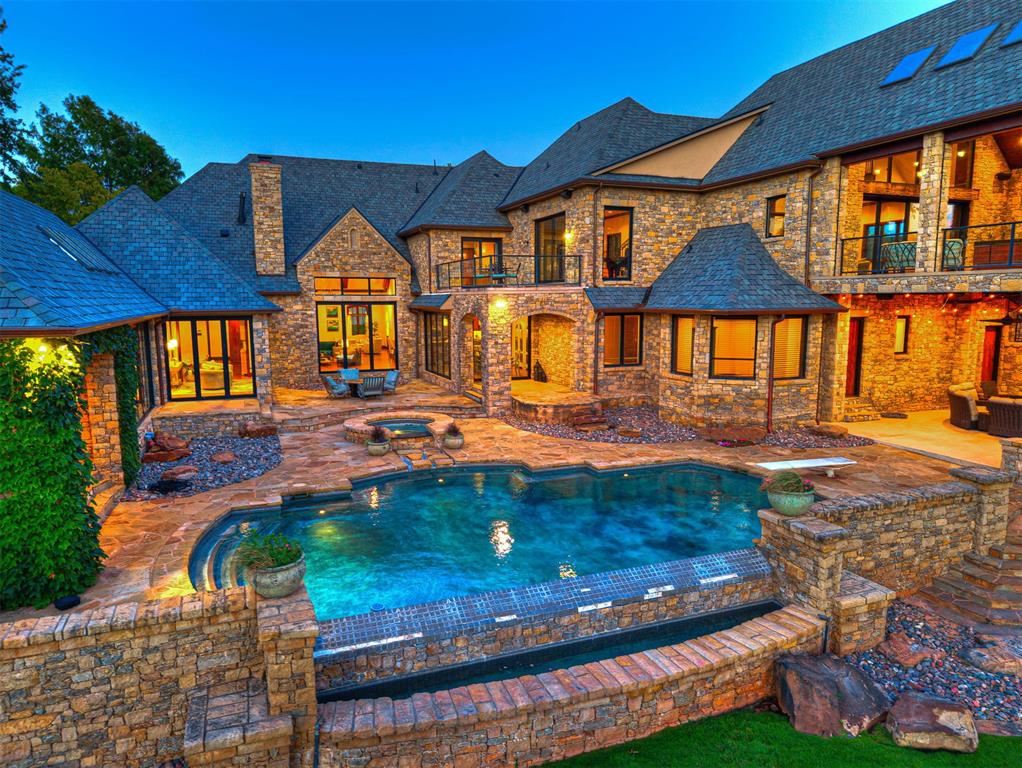
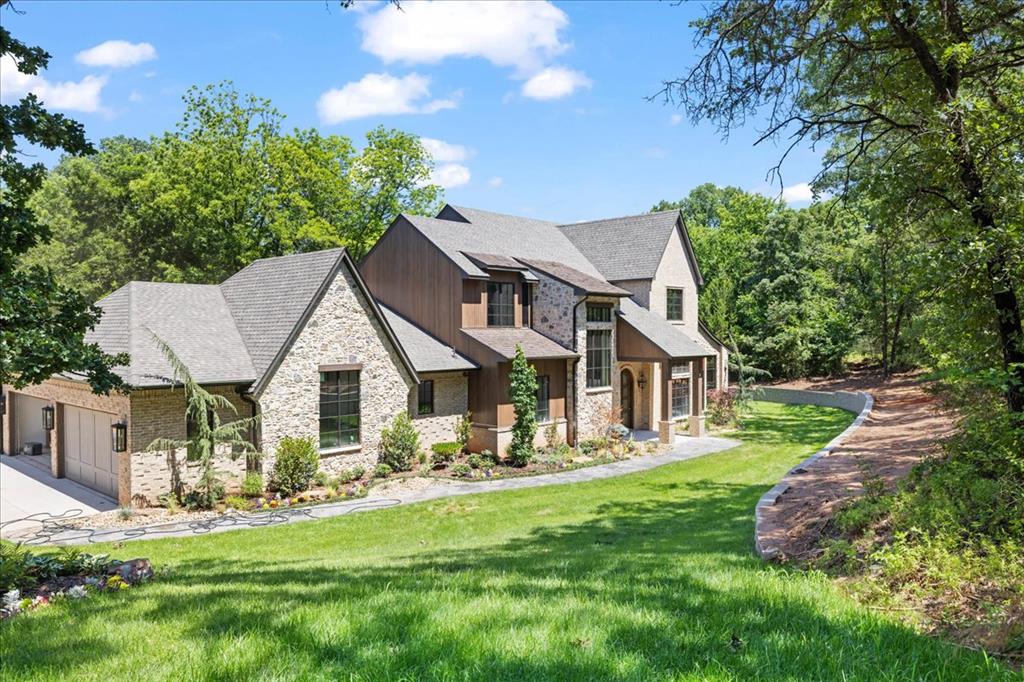
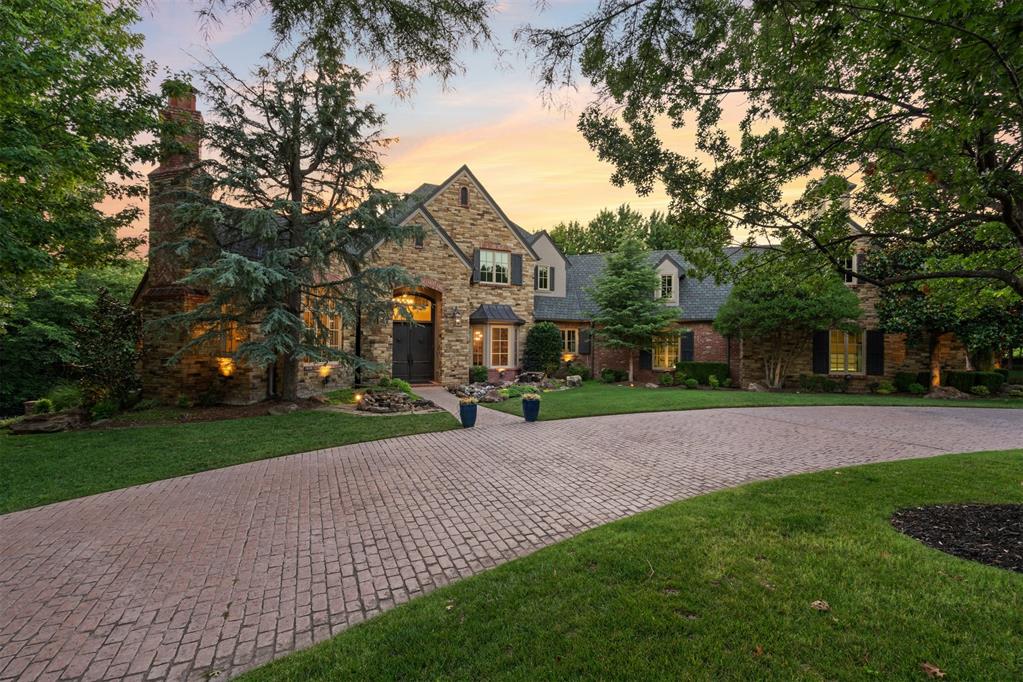
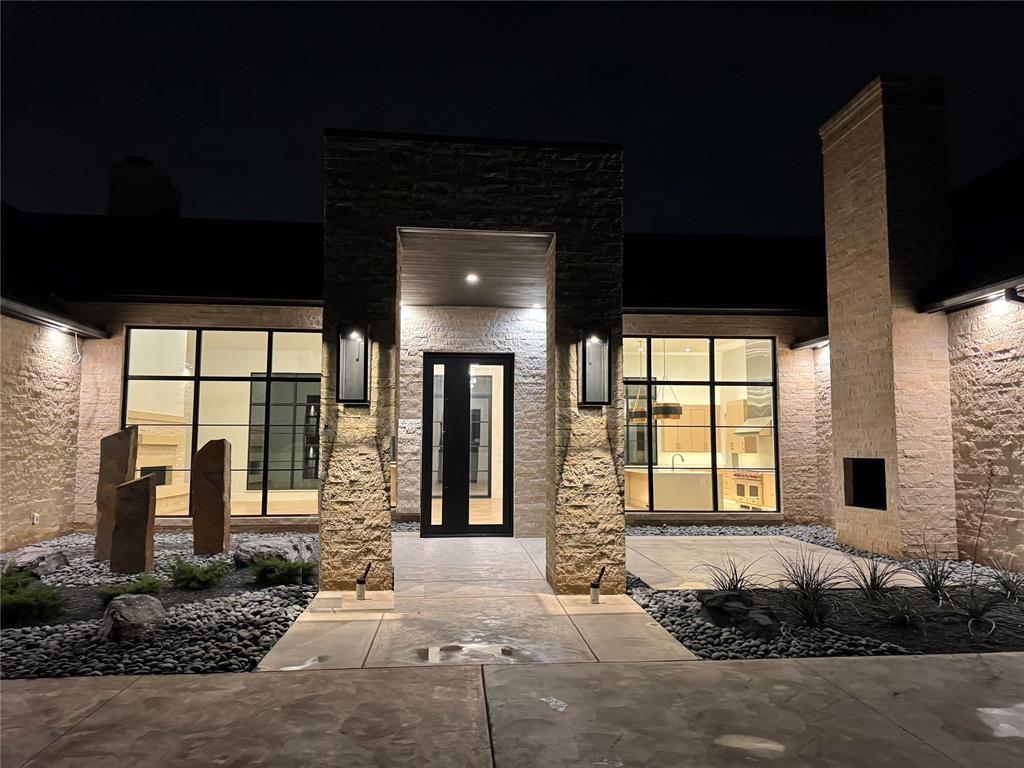
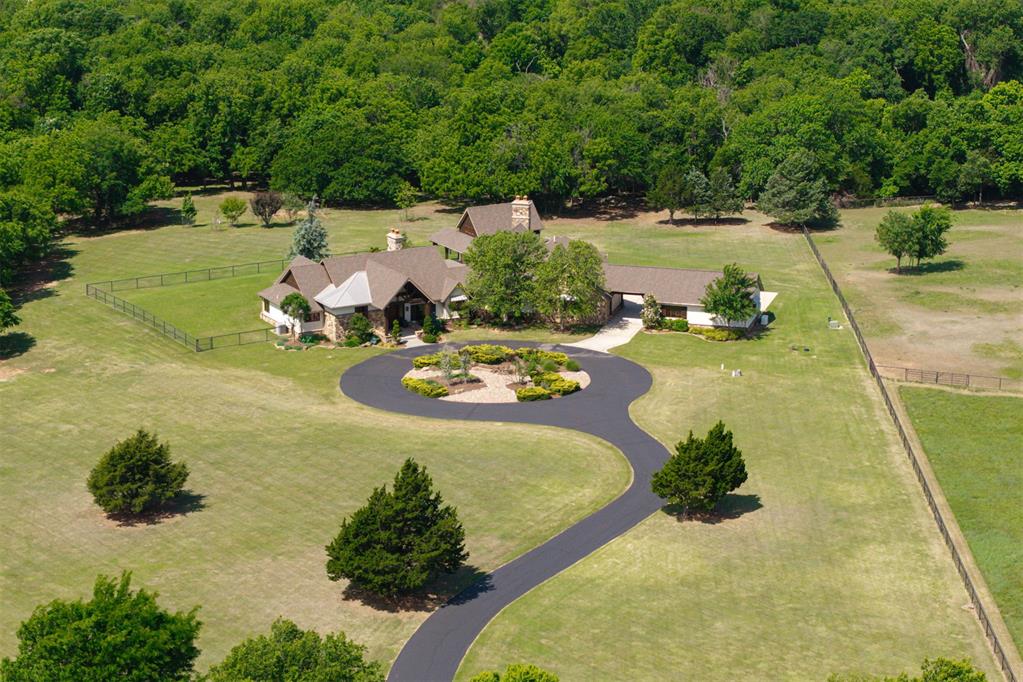
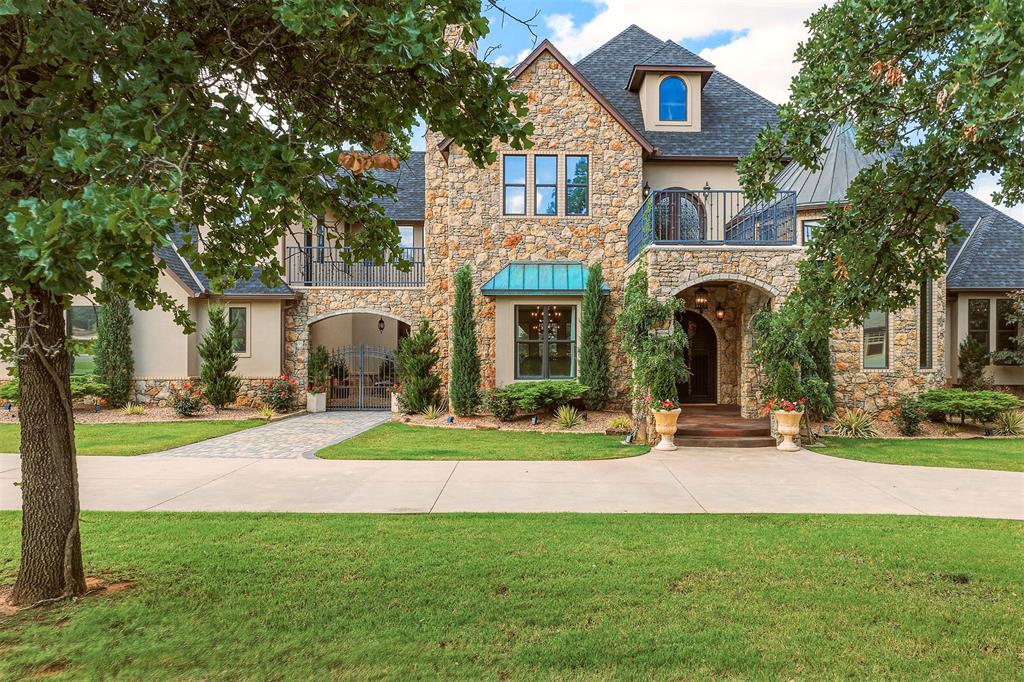
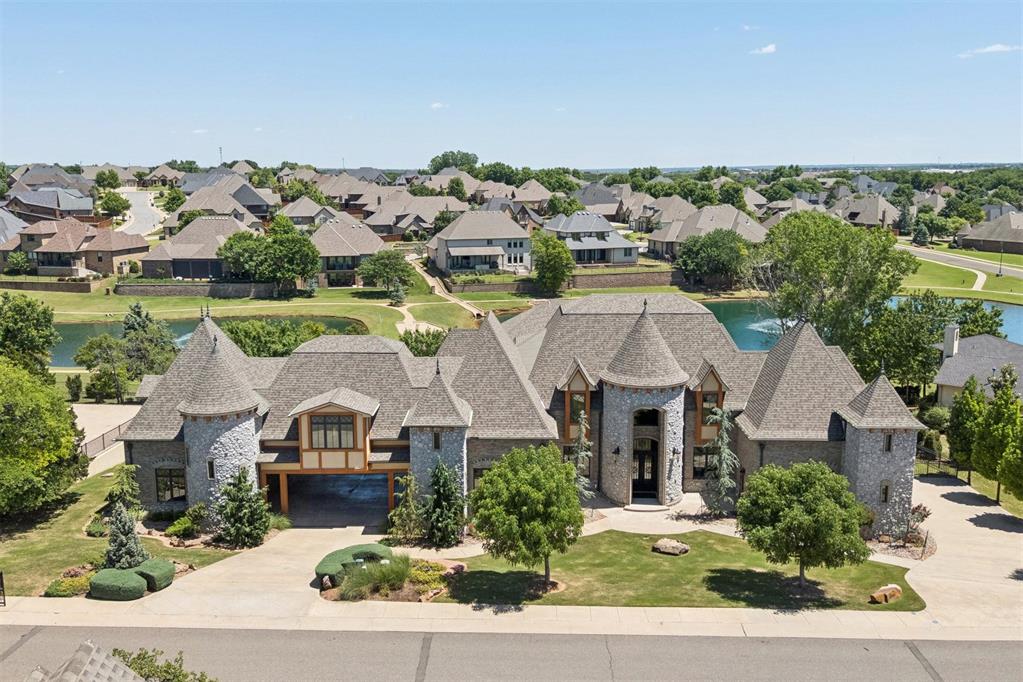
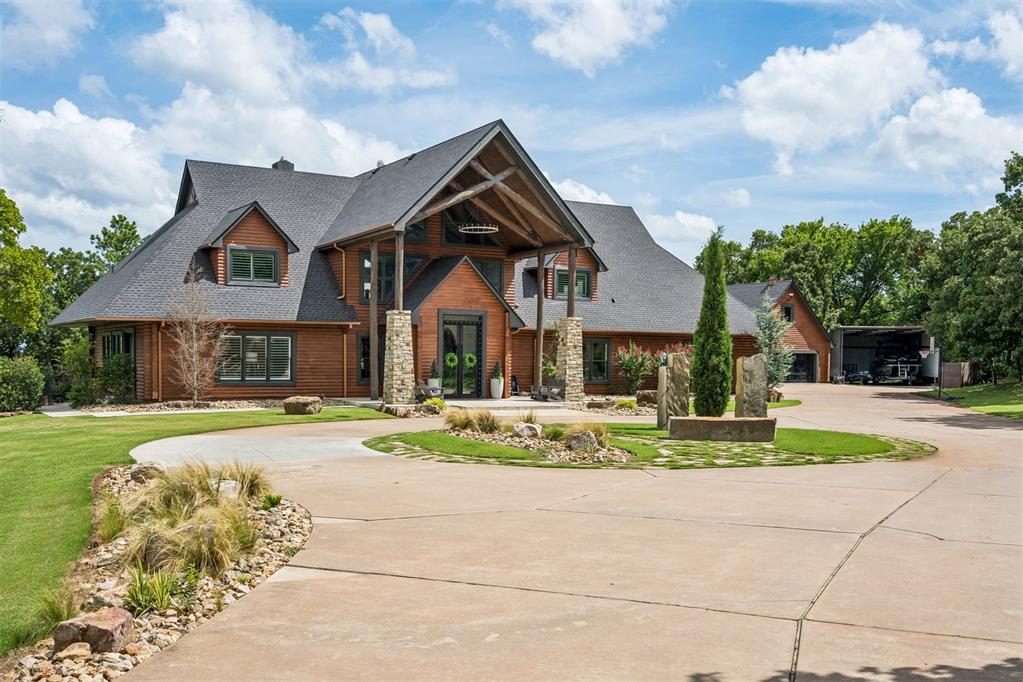
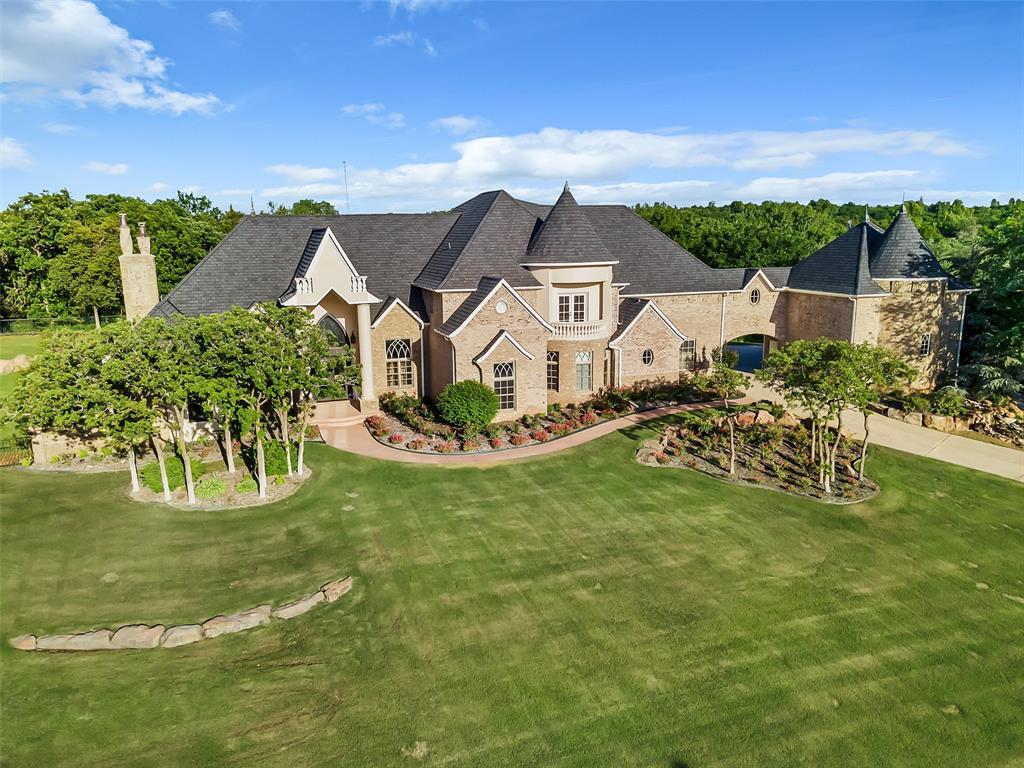
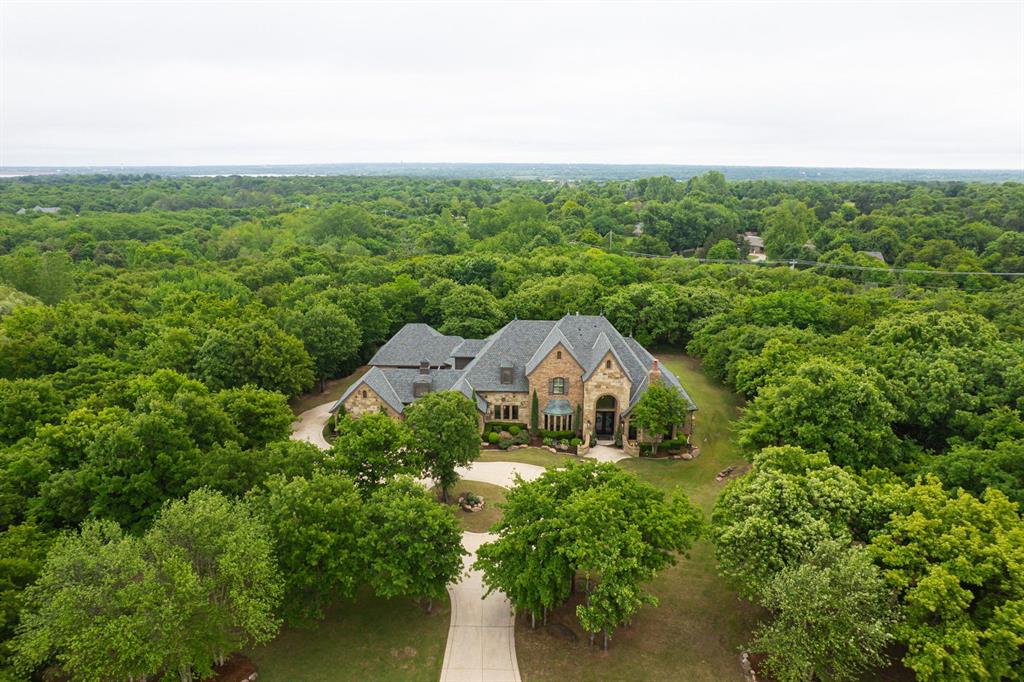
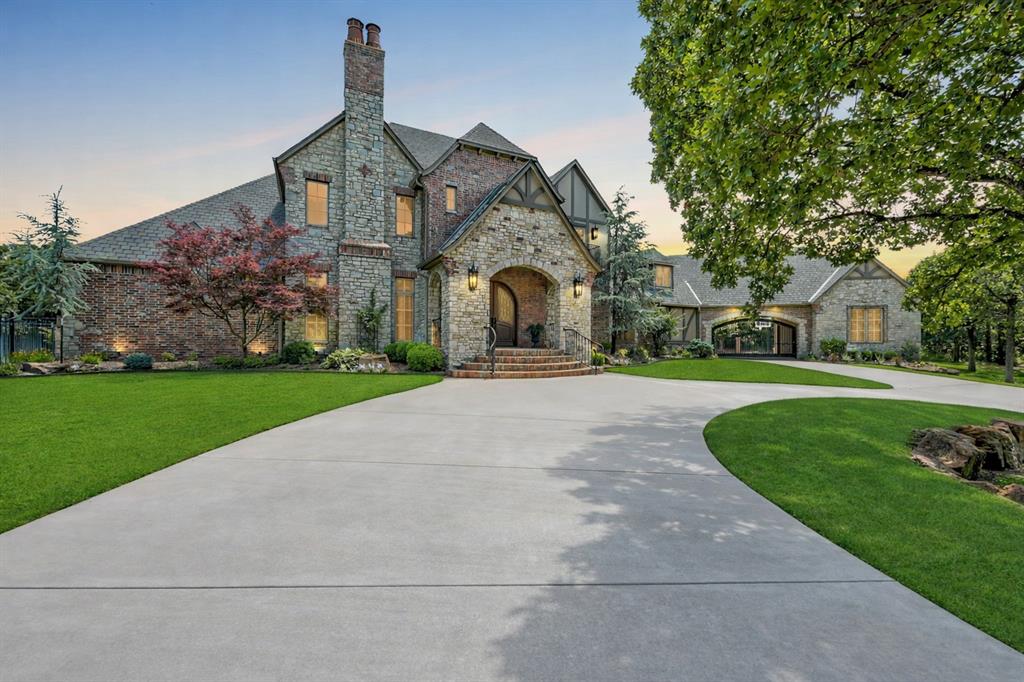
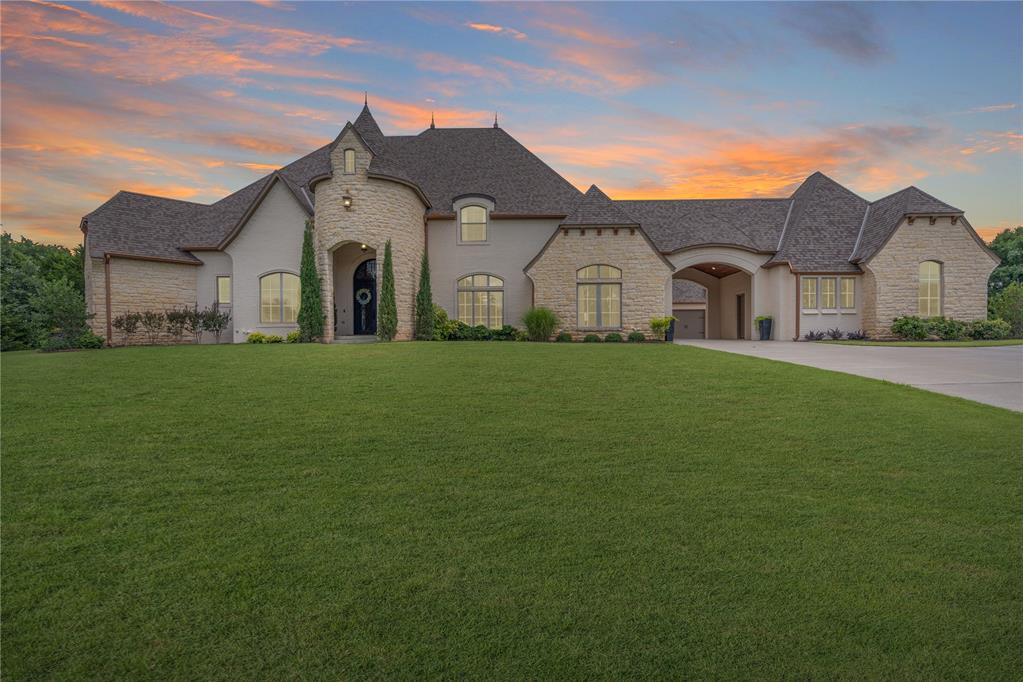
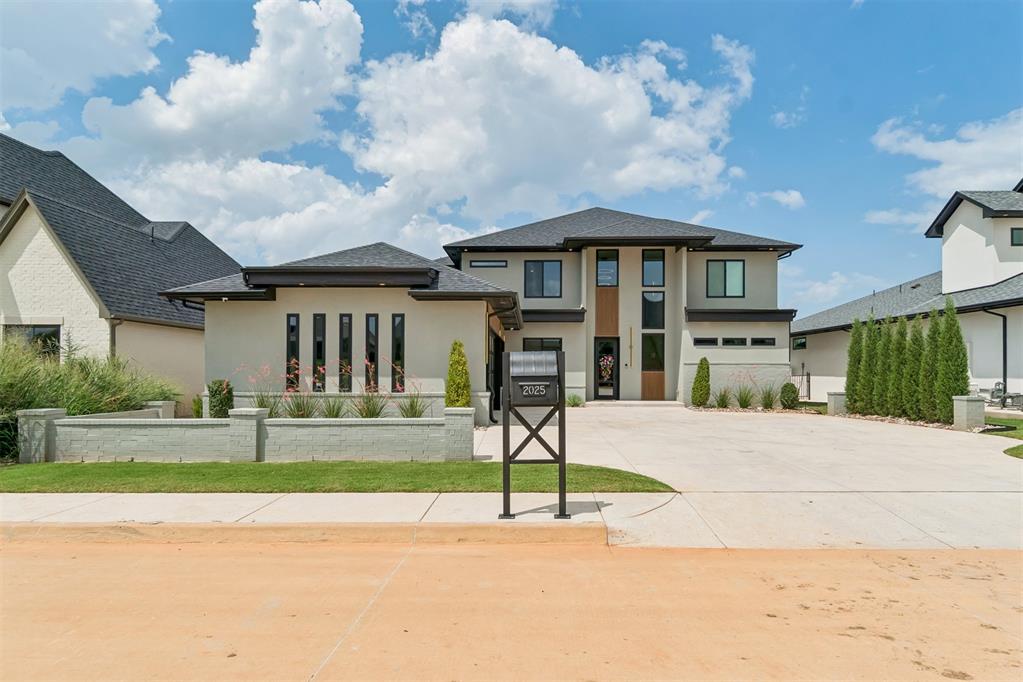
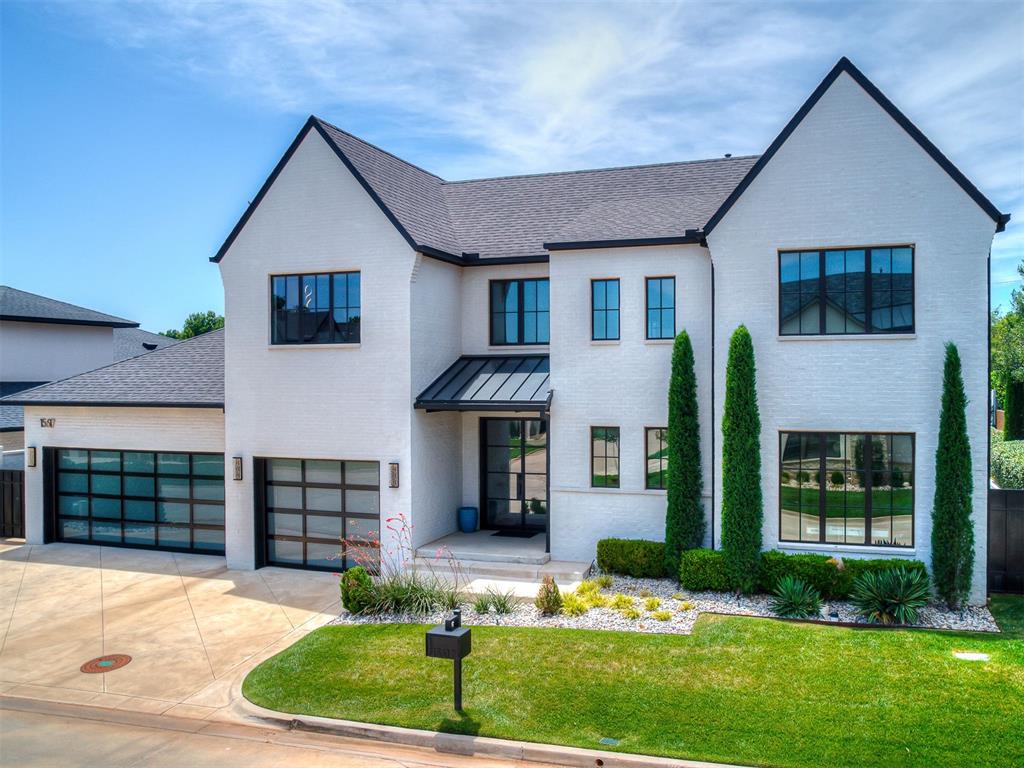
At the upper end of the market, the northern and eastern edges of the city — particularly the areas adjacent to Arcadia Lake — feature custom estate homes on one-to-five-acre lots. These properties regularly exceed 4,000 square feet and are designed and built with the kind of individual attention that cannot be standardized. For buyers seeking true luxury, communities like Oak Tree offer gated, private golf course living with a level of exclusivity and security that represents the apex of Edmond residential real estate.
Condos and townhomes, while a minority of the overall inventory, are growing in relevance as the Downtown Edmond district continues to revitalize. These properties cater primarily to young professionals and retirement-age buyers seeking walkability, minimal maintenance, and proximity to the city's best dining and entertainment. On the rental side, the market is robust and active — driven by the UCO student population and a steady stream of relocating families who need time to evaluate the market before committing to a purchase. Average monthly rents run approximately $1,645, with numerous newer luxury complexes along the I-35 corridor and Covell Road offering resort-style amenities at competitive rates.
Purchasing a home in Edmond requires more than a standard due diligence checklist. The city's specific regulatory environment, topographic characteristics, and community infrastructure create a set of locally unique considerations that can meaningfully affect the true cost and long-term satisfaction of ownership.
The first and most financially consequential step for any new homeowner is filing for the Oklahoma Homestead Exemption by March 15 of the year following purchase. This reduces the taxable assessed value of your primary residence and can represent hundreds of dollars in annual savings. If you are 65 or older, the Senior Valuation Freeze offers an additional layer of protection by capping the assessed value of your property regardless of market appreciation — a significant benefit in a city where values continue to trend upward.
HOA membership is essentially a baseline expectation for any home built after 1990. Annual fees range from $300 to over $1,500 depending on the community, and the scope of restrictive covenants varies enormously. Some neighborhoods regulate fence materials, outbuilding dimensions, landscaping standards, and exterior color palettes in substantial detail. Review these documents with the same rigor you would apply to a contract, because violations can be both expensive and contentious.
Environmental risk warrants serious attention. Edmond's distinctive red clay soil has poor water absorption characteristics, meaning that properties near Arcadia Lake, Coffee Creek, or other internal drainage corridors may carry flood risk that is not immediately obvious from a visual inspection. Request the FEMA flood zone designation for any property you are seriously considering, and budget for separate flood insurance if applicable.
The wooded Cross Timbers terrain on the eastern side of the city has introduced wildfire risk as a legitimate concern — approximately 15% of properties in certain central and eastern areas now carry a "Moderate" wildfire risk designation. This is not cause for alarm, but it is cause for awareness and appropriate insurance coverage.
Finally, and critically: never assume school district boundaries based on proximity or neighborhood reputation. Edmond Public Schools is a large and geographically complex district whose attendance boundaries shift periodically to accommodate population growth. Verify your specific address against the current EPS District Map before making any purchase decision if school assignment is a factor in your choice.
Selling in the 2026 Edmond market is an exercise in precision rather than passive optimism. The market continues to favor sellers in terms of overall supply-demand dynamics, but buyers have become sophisticated enough to reward preparation and penalize overconfidence.
Timing is your first strategic lever. The Edmond market characteristically awakens in mid-February and builds toward its annual peak in May and June, driven by families seeking to complete their move before the August school start. A well-prepared listing that hits the market in late March or April is positioned to capture maximum buyer attention and generate the competitive offer environment that produces the best outcomes. Conversely, listings that debut in November or December will encounter meaningfully reduced demand and should be priced accordingly.
Condition is your second lever, and in 2026 it may be the most important one. Buyers are no longer willing to pay top-of-market prices for homes that require significant work. The return on investment for high-impact, relatively low-cost improvements is substantial. Garage door replacement is currently generating returns as high as 268% — a counterintuitive but well-documented finding that reflects how powerfully curb appeal drives first impressions. Updated HVAC systems and smart home packages (programmable thermostats, smart lighting) resonate strongly with buyers in a climate defined by temperature extremes, influencing approximately 36% of purchasing decisions.
For homes in the $400,000-and-above price bracket, professional staging is essentially mandatory. Staged homes in the OKC metro spend 73% less time on the market than their unstaged counterparts — a differential that translates directly into leverage during negotiations and reduced carrying costs. Focus staging resources on the three rooms that drive emotional decision-making: the primary living area, the primary bedroom, and the kitchen.
Pricing strategy is your third and final lever. The current market has no patience for aspirational pricing. Homes listed at more than five percent above their supportable market value are routinely sitting past the 50-day threshold, acquiring the stigma of a "stale" listing that invites lowball offers and price reduction cycles. Price at or marginally below the last 90 days of comparable closed sales, and create the conditions for multiple offers rather than chasing a single buyer who may or may not materialize.
Edmond's culinary identity has undergone a genuine transformation over the past decade, evolving from a landscape of chain restaurants and fast casual options into a dining scene that would be credible in any mid-sized American city that takes food seriously. The concentration of quality independent restaurants — particularly in and around the Downtown Edmond historic core — gives the city a gastronomic character that is both locally rooted and genuinely diverse.
Downtown Edmond is the natural starting point for any serious food exploration. Sparrow Italian anchors the fine dining end of the spectrum with curated wine dinners and handmade pasta that reflect genuine culinary craft. For the kind of breakfast that becomes a weekly ritual, The Sunnyside Diner and Around the Corner represent the best of classic American morning dining — the sort of places where regulars have standing orders and the staff knows your name. The international dining options are more robust than Edmond's geography might suggest: bb.q Chicken delivers authentic Korean fried chicken, Noodle-ology offers polished Asian fusion, and Gourmet Chinese & Sushi Express provides sushi that consistently overperforms expectations for a landlocked city.
For casual local dining, Waldo's Chicken and Beer has cultivated a devoted following by executing a narrow menu exceptionally well — a model of culinary restraint that Edmond's food culture rewards.
The bar and nightlife scene, while not the city's primary identity, has developed genuine options for residents who want a thoughtful evening out. The Patriarch Craft Beer House is arguably the most distinctive venue in the city — a three-story, 1903 historic home with an expansive outdoor beer garden and an extensive selection of local and regional craft beers that doubles as a genuine community gathering place. Round Midnight brings live jazz and craft cocktails to the downtown district with an intimacy that larger venues cannot replicate. Sidecar Barley & Wine Bar near the I-35 corridor offers the upscale lounge experience for those seeking a more polished, urban-adjacent evening.
The monthly Heard on Hurd street festival, hosted by Citizens Bank of Edmond, functions as a de facto community dining event — dozens of food trucks and local vendors transforming downtown into a rotating celebration of local culinary culture from March through October.
Shopping in Edmond reflects the same bifurcation that defines the city's broader character: a genuinely unique local retail culture coexisting productively with the major national brands that make suburban life convenient.
Downtown Edmond is the spiritual and commercial center of the city's independent retail scene. With over 75 businesses operating in the historic core, it offers the kind of retail density — specialty boutiques, high-end stationery shops, curated gift stores, and independent clothing retailers — that has become increasingly rare as suburban retail has homogenized around national chains. It is a genuinely walkable district, designed for browsing rather than efficiency.
Spring Creek Plaza at 15th and Bryant represents a more refined version of the typical suburban outdoor shopping center. The architectural standard is higher than the regional norm, and the tenant mix blends national aspirational brands like Lululemon and Anthropologie with local merchants in a way that feels intentional rather than accidental. For day-to-day suburban retail needs, the Shoppes at Covell on the northern edge of the city has emerged as a rapidly growing hub combining retail, health services, and dining within easy reach of Edmond's fastest-growing residential corridors.
For regional mall access, Quail Springs Mall — technically situated just across the city line in North Oklahoma City, but functionally the Edmond community's mall — provides a full-service indoor retail experience anchored by a major AMC theater, a Blue Zoo Aquarium, and the standard complement of national retailers.
The grocery landscape is particularly strong. Sprouts Farmers Market serves the health-conscious and specialty shopper, while Uptown Grocery Co. provides a gourmet shopping experience that includes ready-made meals and an in-house bakery — essentially functioning as a daily-use specialty retailer rather than a pure grocery store. For volume and convenience, multiple Target and Walmart Supercenter locations are distributed strategically across the city. And for the quintessentially Oklahoma experience, Crest Foods — a beloved local chain operating 24 hours — offers one of the most extensive selections in the region with a distinctly local personality.
With over 3,400 acres of parkland and approximately 300 miles of maintained trails woven through the city, Edmond treats outdoor access not as an amenity but as a civic priority — and the result is a recreational infrastructure that meaningfully elevates daily quality of life for residents.
Arcadia Lake is the crown jewel of this system. A large man-made reservoir anchoring the city's eastern boundary, it provides 26 miles of shoreline accessible to boaters, water skiers, anglers, and swimmers. Designated swimming beaches, disc golf courses, and a heated covered fishing dock ensure year-round usability — a critical feature in a climate defined by its temperature extremes. The lake's proximity to the Cross Timbers woodland creates a recreational experience that combines water access with genuine natural landscape in a way that is unusual for an urban reservoir.
Mitch Park, spanning 280 acres near the city's center, functions as Edmond's flagship urban park. Its 2.8-mile main trail loop is the city's most popular recreational circuit, incorporating a hidden waterfall in the red rock terrain near the southeast bridge that serves as both a discovery reward for first-time visitors and a beloved ritual destination for regulars. The park's Multiple Activity Center (MAC), disc golf course, and skate park broaden its appeal across age groups and activity preferences.
Hafer Park offers a different but equally compelling experience — tall, mature trees and winding natural trails that create genuine woodland immersion in the middle of an urban environment. The "Concerts in the Park" series held here is one of Edmond's most beloved community traditions, blending outdoor recreation with live music in a setting that is difficult to improve upon.
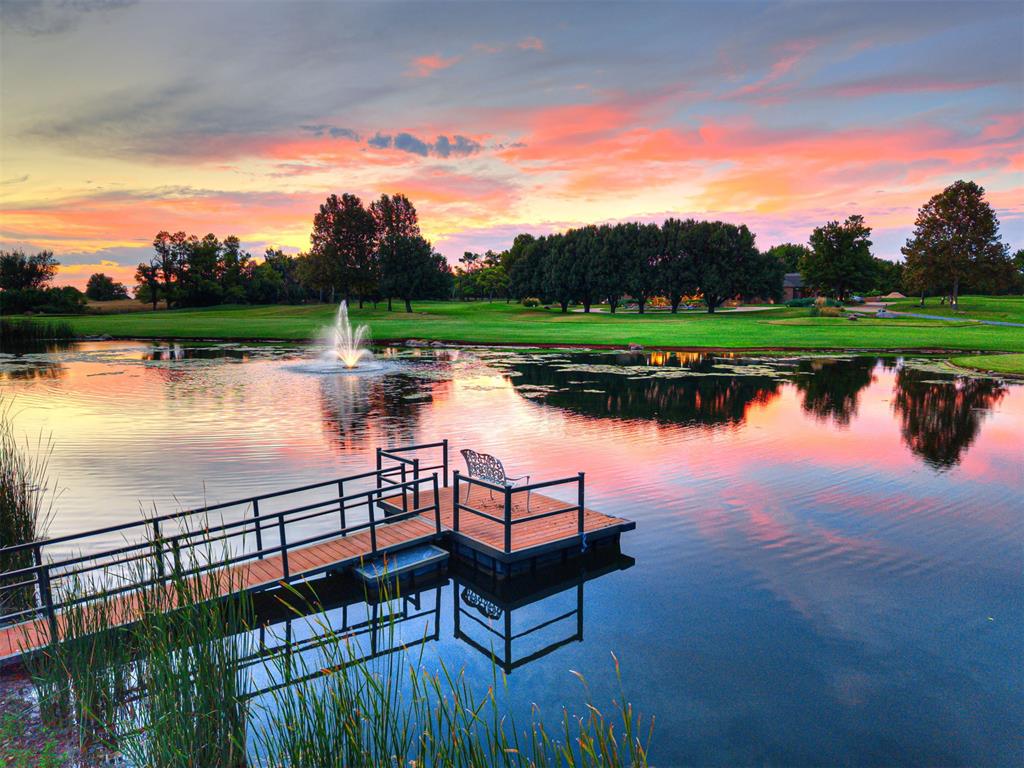
For golfers, Edmond operates at a level that is exceptional for a city of its size. KickingBird Golf Club — recently renovated — provides a championship-quality municipal course experience at public pricing. Oak Tree National, by contrast, is a world-class private facility that has hosted major PGA championships and is recognized among the most challenging and prestigious golf courses in the Midwest.
The Pelican Bay Aquatic Center completes the picture as the community's primary summer water recreation facility, featuring water slides, a climbing wall, and a current channel that makes it the default destination for families during Edmond's extended and demanding summer season.
Edmond's cultural identity is best understood as the product of three distinct forces operating simultaneously: a deep pride in the city's frontier origins, a genuine commitment to educational and civic excellence, and an increasingly sophisticated appreciation for arts, food, and community experience. The interplay of these forces produces a local culture that is neither rigidly traditional nor rootlessly cosmopolitan — it is distinctly, confidently Edmondian.
The community's founding myth — the Great Land Run of 1889 — is not distant history here; it is actively referenced and celebrated as the origin story of a community built literally overnight by people who showed up and staked a claim. That pioneer spirit persists in a culture that values self-determination, civic engagement, and local investment. Voter turnout in municipal elections is high. The "shop local" ethos that Heard on Hurd embodies is not performative — it reflects a genuine economic philosophy that circulates dollars through local businesses rather than national chains.
LibertyFest, recognized by CNN and USA Today among the top ten July 4th festivals in the United States, is the city's premier annual cultural event — a multi-week celebration that includes a parade, a rodeo, a car show, and live entertainment that draws visitors from across the region. In 2026, it carries additional significance as part of the United States 250th Anniversary and Route 66 Centennial celebrations, positioning Edmond as a nationally relevant gathering point for American heritage commemoration.
The arts infrastructure is, by any reasonable standard, extraordinary for a city of Edmond's size. Armstrong Auditorium — known as the "Swan Lake of the Plains" — hosts premier classical music, jazz, and ballet performances at a level that would be credible in a major metropolitan venue. The city's public art collection encompasses over 350 bronze statues and murals distributed across the urban landscape, accessible via a self-guided bicycle art tour that is both a cultural amenity and a community invitation.
Underlying all of it is the school calendar. In Edmond, the rhythms of daily life — traffic patterns, restaurant crowds, park usage, community events — are synchronized with the academic year in a way that reflects how central education is to the community's sense of purpose and identity.
Education is the single most powerful driver of Edmond's residential demand, and for good reason. The city's public school infrastructure is, by objective measures, among the strongest in the state and competitive with the best suburban districts in the American Midwest.
Edmond Public Schools (EPS) is the dominant institution — a district serving over 25,000 students across 30 schools that holds the top ranking as the best school district in the Oklahoma City area for 2026. Most schools within the district carry A+ or A ratings. The three comprehensive high schools — Edmond North, Edmond Memorial, and Edmond Santa Fe — are consistently recognized for high ACT and SAT performance, robust Advanced Placement program participation, and competitive athletic and fine arts programs that regularly produce state championships. The district's Pre-Engineering and Bio-Medical academic pathways are particularly noteworthy, providing high school students with college-level technical preparation that is rare at the secondary level.
Deer Creek Public Schools, serving Edmond's western growth corridors, presents a compelling alternative for families who want the intimacy and community cohesion of a smaller district without sacrificing academic quality. Deer Creek's A rating and its reputation for a "small-town feel despite rapid suburban growth" make it a legitimate and often preferred choice for buyers evaluating western Edmond.
Private school options are extensive and well-regarded. Oklahoma Christian Academy and Oklahoma Christian School offer K-12 Christian education with average class sizes of 15 to 20 students — a student-to-teacher ratio that public schools structurally cannot match. St. Elizabeth Ann Seton is the leading Catholic option, with a strong PK-8 academic reputation. For the youngest learners, programs like The Goddard School, Primrose School of Edmond, and Keystone Adventure School and Farm are in consistently high demand, frequently requiring enrollment well in advance of anticipated entry.
At the collegiate level, the University of Central Oklahoma anchors the city's identity as a genuine university town. Ranked second among all colleges in Oklahoma for 2026, UCO offers particular strength in Education, Forensic Science, and Jazz Studies — a distinctive combination that reflects the breadth of its academic mission. Oklahoma Christian University, positioned on Edmond's southern boundary, provides a private liberal arts alternative with notable programs in engineering and gaming and animation.
Edmond's transportation infrastructure reflects both its strengths and the inherent realities of a car-dependent American suburb that developed primarily in the post-WWII era. The good news is that the city's fundamental road network is sensible — laid out on the classic Oklahoma section-line grid — and access to Oklahoma City and the broader metropolitan area is genuinely efficient.
The Broadway Extension (US-77) is the primary north-south arterial linking Edmond to downtown Oklahoma City. Under normal conditions, this commute runs 15 to 20 minutes — a figure that places Edmond among the most commute-efficient suburbs in its peer group nationally. Interstate 35 runs along the eastern edge of the city, providing direct access both northward toward Wichita and Kansas City and southward toward Norman, Moore, and ultimately Dallas. For westward travel, the Kilpatrick Turnpike on the city's southern boundary provides rapid toll-road access to West Oklahoma City, Yukon, and Will Rogers World Airport in approximately 30 to 35 minutes.
Within the city, the grid system makes navigation intuitive, but east-west travel on the major corridors — Danforth Road and 15th Street in particular — can experience meaningful congestion during school drop-off and pickup windows. This is not a trivial consideration in a city whose culture revolves around its school district; it is a predictable daily rhythm that residents learn to work with and around.
Public transportation options are limited by the standards of a major metropolitan area but are more substantive than most comparable-sized cities provide. Citylink Edmond operates a free municipal bus service across several city routes — a meaningful amenity for UCO students, seniors, and car-free residents. Its "100X" Commuter Express route, running directly between Edmond and downtown Oklahoma City, provides a viable alternative to driving the Broadway Extension during peak hours and reflects a genuine investment in multimodal access that distinguishes Edmond from many of its suburban peers.
A major intersection improvement project at Danforth and Kelly — one of the city's historically congested and accident-prone intersections — is currently in its completion phase as of 2026, signaling continued municipal investment in traffic flow and safety infrastructure.
While Edmond's residential quality is consistently high across its established neighborhoods, certain streets and corridors have earned particular distinction for their combination of architectural character, neighborhood cohesion, natural setting, and long-term value stability.
Waterford Drive and the Oak Tree National Vicinity represent the pinnacle of Edmond residential prestige. The streets surrounding Oak Tree National Golf Club constitute one of the most exclusive addresses in Oklahoma, with custom estates designed around views of a world-class championship course. Properties here are defined by their size, their lot quality, and the privacy and security that come with gated community access.
Coffee Creek Road and its Adjacent Streets offer a slightly more accessible entry point into high-quality Edmond living while still delivering the master-planned amenity package — walking trails, manicured common areas, and strong neighborhood standards — that defines the city's best residential communities.
15th Street Corridor (East of Coltrane) provides access to some of Edmond's most established mid-century residential streets, where large lots, mature trees, and proximity to Hafer Park create a neighborhood character that newer developments aspire to but rarely replicate. The walkability to Downtown Edmond from portions of this corridor adds a dimension of urban convenience that is unusual in the suburban context.
Covell Road (from Coltrane eastward) has emerged as one of the city's most dynamic residential corridors, with newer construction, growing commercial amenities, and strong school district access positioning it as a prime location for families entering the market at the entry-to-mid luxury price point.
Boulevard of the Arts / Downtown Edmond Perimeter Streets cater to buyers who prioritize lifestyle — walkability to restaurants, proximity to Armstrong Auditorium and the public art installations, and the social vitality of Downtown Edmond's revitalizing commercial core — over the typical suburban priorities of lot size and school-zone optimization.
People love Edmond because it delivers on its promises — and in a landscape littered with suburbs that overpromise and underperform, that consistency is genuinely extraordinary.
They love it because the schools are real. Not marketed as good, not historically good, but verifiably, measurably, currently excellent — the kind of school district that shapes life outcomes and that parents do not take for granted. They love it because the parks are not afterthoughts. Three thousand four hundred acres of parkland and 300 miles of trails woven through a city of this size reflect a governing philosophy that takes quality of life seriously. They love it because the history is tangible — you can walk the streets of Downtown Edmond and stand in brick buildings constructed within a decade of the Great Land Run, touching a physical continuity with the city's founding that most American suburbs simply do not have.
They love it because the community is engaged. Heard on Hurd fills the streets every month with people who actually know their neighbors. LibertyFest brings the city together in a celebration that is genuinely civic rather than performatively so. The public art — 350 bronze statues distributed across the urban landscape — is not decoration; it is a statement about the kind of city Edmond intends to be.
They love it because the landscape is beautiful in a way that surprises people who expect flat, featureless Oklahoma. The Cross Timbers terrain, the red clay exposures, the wooded corridors, Arcadia Lake at golden hour — Edmond looks like a place that earned its reputation, not a place that manufactured one.
And ultimately, they love it because Edmond is a city that takes the ordinary seriously. The roads are maintained. The schools are staffed and funded. The parks are clean. The restaurants are good. These are not remarkable things on their own — but their consistent coexistence in a single, affordable, accessible Midwestern city is rarer than it appears, and residents of Edmond know it. That knowledge, that daily confirmation that you chose well, is what keeps people here. And it is what keeps others arriving.
There's plenty to do around Edmond, including shopping, dining, nightlife, parks, and more. Data provided by Walk Score and Yelp.
Explore popular things to do in the area, including American Solera Edmond, Barbells & BBQ, and Hofo Asian Grocery.
| Name | Category | Distance | Reviews |
Ratings by
Yelp
|
|---|---|---|---|---|
| Dining | 2.89 miles | 14 reviews | 4.9/5 stars | |
| Dining | 4.22 miles | 6 reviews | 4.8/5 stars | |
| Dining | 4.35 miles | 11 reviews | 4.8/5 stars | |
| Dining | 3.79 miles | 5 reviews | 4.8/5 stars | |
| Dining | 3.95 miles | 8 reviews | 4.8/5 stars | |
| Dining | 4.74 miles | 13 reviews | 4.7/5 stars | |
| Beauty | 4.37 miles | 5 reviews | 5/5 stars | |
| Beauty | 3.95 miles | 6 reviews | 5/5 stars | |
| Beauty | 4.15 miles | 7 reviews | 5/5 stars | |
| Beauty | 3.77 miles | 51 reviews | 4.9/5 stars | |
| Beauty | 3.07 miles | 11 reviews | 4.9/5 stars | |
| Beauty | 3.91 miles | 27 reviews | 4.9/5 stars | |
| Beauty | 3.34 miles | 4 reviews | 5/5 stars | |
|
|
||||
|
|
||||
|
|
||||
|
|
||||
|
|
||||
|
|
Edmond has 69,520 households, with an average household size of 13.54. Data provided by the U.S. Census Bureau. Here’s what the people living in Edmond do for work — and how long it takes them to get there. Data provided by the U.S. Census Bureau. 189,595 people call Edmond home. The population density is 1,478 and the largest age group is Data provided by the U.S. Census Bureau.
Total Population
Population Density Population Density This is the number of people per square mile in a neighborhood.
Median Age
Men vs Women
Population by Age Group
0-9 Years
10-17 Years
18-24 Years
25-64 Years
65-74 Years
75+ Years
Education Level
Total Households
Average Household Size
Average individual Income
Households with Children
With Children:
Without Children:
Marital Status
Blue vs White Collar Workers
Blue Collar:
White Collar: