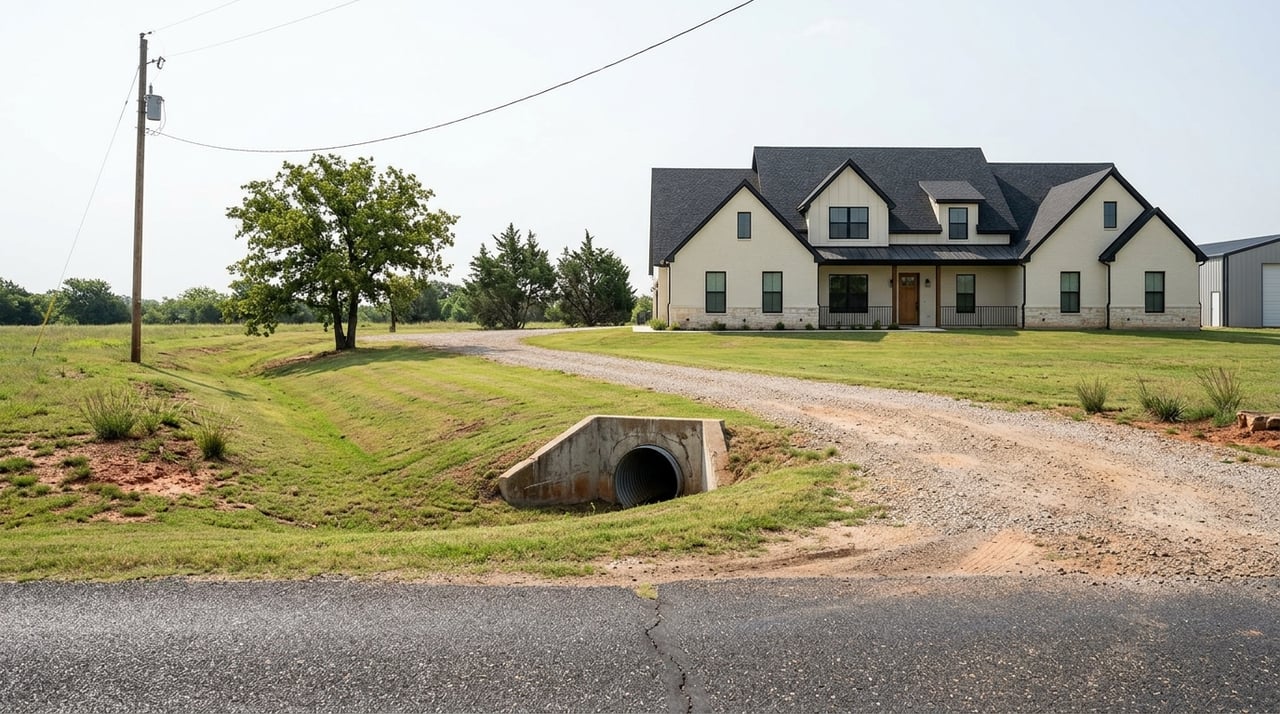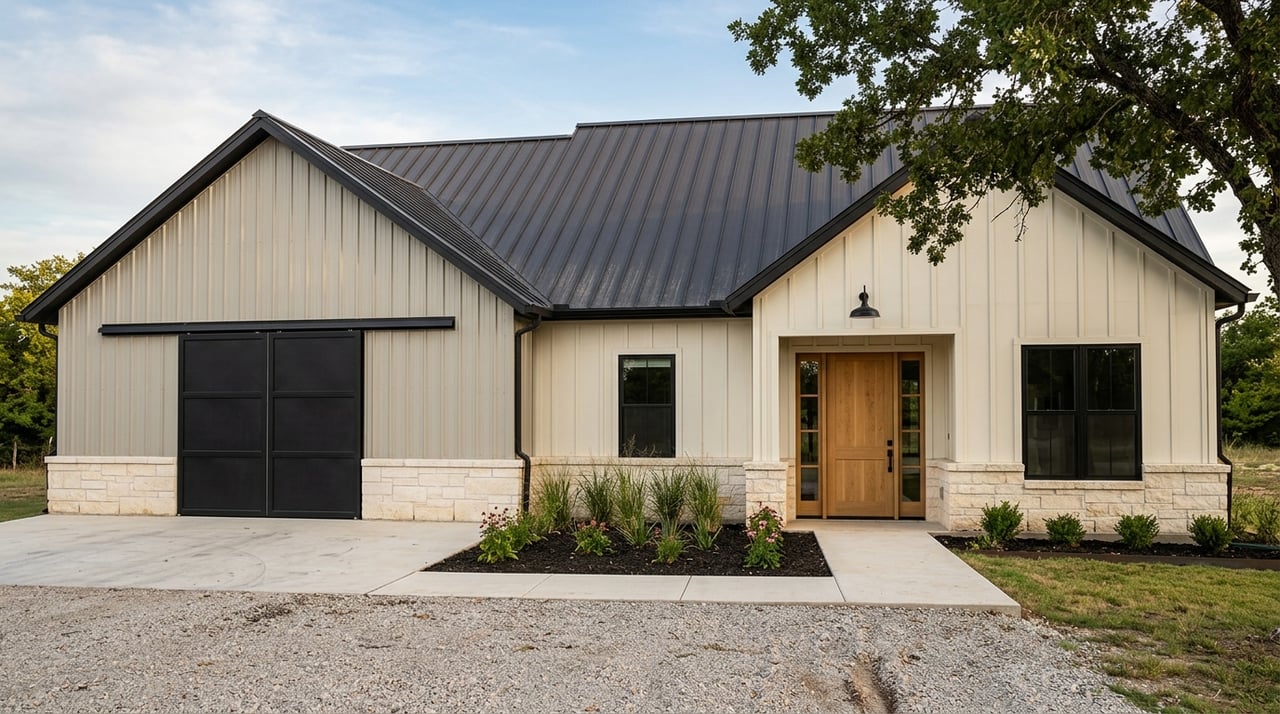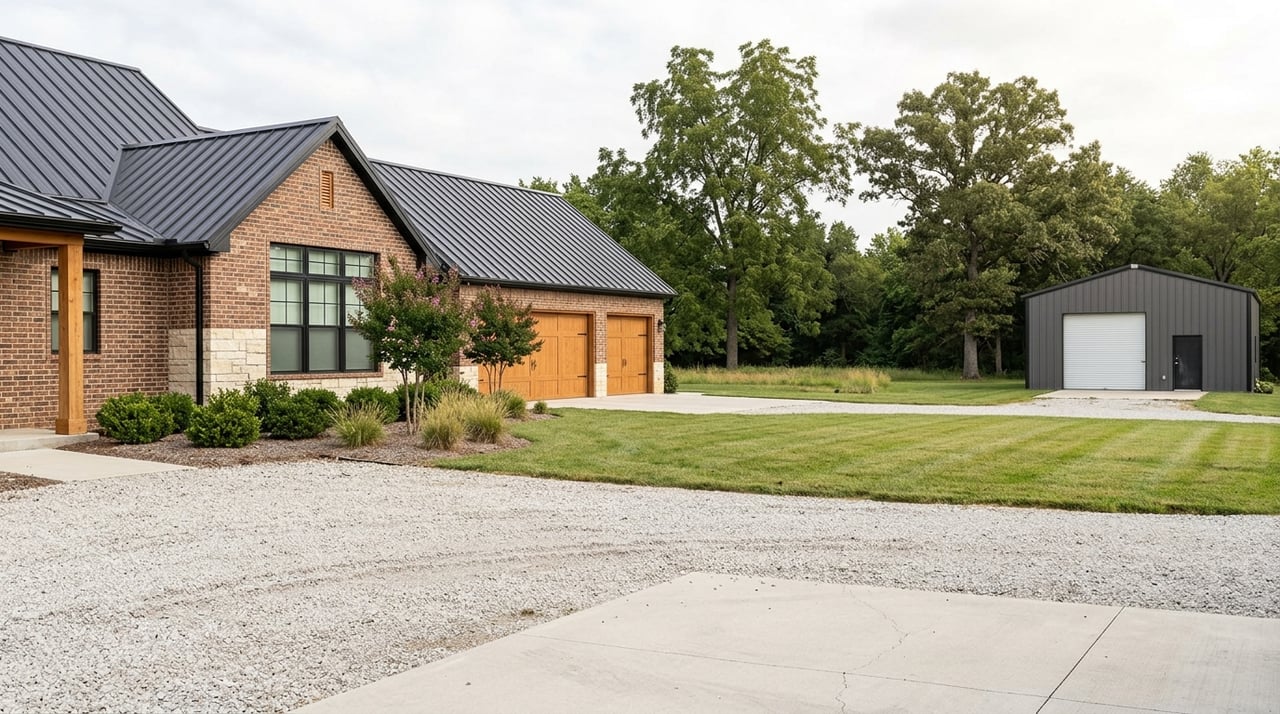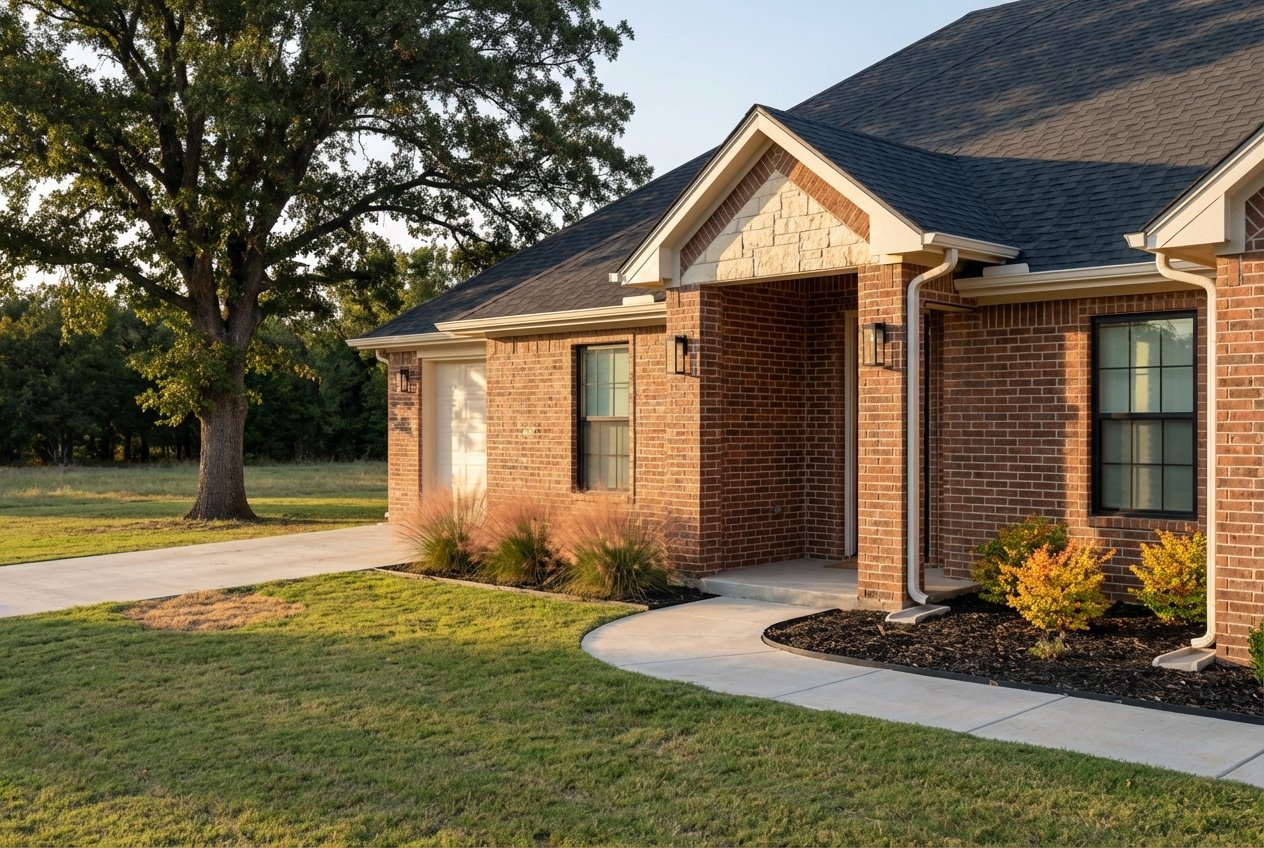
Are you weighing the freedom of a non-HOA neighborhood against the structure of an HOA community in southwest Oklahoma City? You are not alone. Many buyers want a clear picture of rules, dues, and day-to-day life before they commit. In this guide, you’ll learn how HOAs work in Oklahoma, what to expect in SW OKC neighborhoods, the trade-offs to consider, and the due diligence steps that protect your budget and peace of mind. Let’s dive in.
HOA basics in Oklahoma
An HOA is a private organization that manages common areas and enforces recorded covenants and rules for a subdivision or condo community. You agree to follow the association’s governing documents when you buy in. These documents typically include the Declaration or CC&Rs, Bylaws, and Rules and Regulations.
In Oklahoma, associations can levy dues, enforce rules, and, if allowed by their documents and state law, place liens and pursue collection actions. Specific rights and processes vary by community. You should verify details with the HOA documents, your title company, or an attorney before you close.
In southwest OKC, many newer subdivisions have developer-created HOAs that turn over to homeowners once the neighborhood is built out. Older areas are more likely to have minimal restrictions or no active HOA at all. Management styles vary widely, from professionally managed associations to small volunteer boards.
What to expect in SW OKC HOAs
Common rules and restrictions
Most HOAs in the area focus on exterior standards and community operations. You might see:
- Architectural controls for exterior paint, roofing, additions, sheds, and fencing
- Landscaping and maintenance standards, including lawn care and tree upkeep
- Use rules for parking, RVs, visible storage, signs, and holiday decorations
- Rental and occupancy rules that may limit short-term rentals
- Amenity rules for pools, gates, and clubhouses
Dues and what they cover
Dues in single-family HOAs can vary based on size, amenities, and whether private streets or extra services are included. In the OKC area, fees are often modest compared to large coastal metros, but amounts are community-specific. Always confirm the current schedule of assessments and any planned increases.
Dues typically pay for:
- Common area landscaping, lighting, and entry features
- Pool, playground, and clubhouse operations
- Private street or alley maintenance when applicable
- Insurance for common elements and reserves for future repairs
- Management company services and accounting
Special assessments can arise if reserves are low or unexpected repairs occur. Review the financials to understand the risk.
Governance and enforcement
Associations are led by volunteer boards and may hire management companies. Expect processes for architectural approvals, budgets, and rule enforcement. Penalties can include fines, amenity suspensions, and liens when authorized by the documents and state law. Always check recent meeting minutes for the association’s tone, consistency, and any ongoing disputes.
Non-HOA neighborhoods in SW OKC
What you gain
Non-HOA or low-restriction areas often offer more freedom for exterior changes and on-street parking flexibility. You may see more architectural variety, mature trees, and different lot sizes. You also avoid monthly HOA dues, which lowers your recurring housing costs.
What to plan for
Without an HOA, you are responsible for all yard and exterior maintenance, and amenities are not centralized. You will rely more on city parks and public infrastructure for recreation. Some older neighborhoods may still have recorded deed restrictions, even without an active association, so it is smart to check the public records.
Lifestyle trade-offs to weigh
- Cost predictability vs. autonomy: HOAs add a set cost and sometimes cover shared maintenance. Non-HOA homes eliminate dues but place full maintenance responsibility on you.
- Uniformity vs. expression: HOAs promote a consistent look that some buyers value. Non-HOA areas allow more personalization and a wider range of upkeep among neighbors.
- Amenity access: HOAs may offer pools, playgrounds, and events. Non-HOA owners typically use city parks or private memberships.
- Resale preferences: Some buyers prefer the structure and amenities of HOAs. Others actively avoid them. Your target buyer pool can vary by neighborhood.
- Enforcement culture: A well-run HOA can simplify disputes and maintain standards. Poor or inconsistent enforcement can create friction. Review minutes and talk to owners.
Due diligence checklist for buyers
If the property is in an HOA
Request and review these items before you close:
- Declaration or CC&Rs, Bylaws, Articles, and all current Rules and Regulations
- Architectural guidelines and application procedures
- Current budget, latest financials, and any reserve study
- Meeting minutes for the past 12 to 24 months
- Management company and board contact details
- Schedule of assessments, history of special assessments, and any planned increases
- Insurance summary for common areas and coverage limits
- Violation and fine policy, collection policy, and lien procedures
- Resale certificate or estoppel letter showing the seller’s account status
For non-HOA homes
Do your homework on restrictions and requirements:
- Search recorded deed restrictions or plat notes with the county clerk
- Review city codes for setbacks, fence height, sheds, and accessory structures
- Confirm title report items, including easements and covenants
- Check whether a neighborhood has a voluntary association or guidelines
Questions to ask sellers and neighbors
- Any pending or recent special assessments? Any increase in dues on the horizon?
- Any ongoing disputes, litigation, or maintenance issues in the community?
- How responsive is the board or manager? Are rules enforced consistently?
- For non-HOA areas, how are nearby properties maintained? Any common concerns?
Red flags to watch
- No reserve fund or plan despite major common assets
- Ongoing litigation or repeated large special assessments
- Rapid or frequent dues increases without clear justification
- Inconsistent or unclear enforcement in minutes or policies
Timing and escrow tips
- Confirm when the resale or estoppel package will be provided and any fees for it.
- Coordinate HOA document needs early with your lender and title company.
- Build time to read documents and ask follow-up questions before your contingency expires.
Local SW OKC watch-outs
- Mature trees and storms: Large tree care can be expensive. Clarify who maintains street trees and curb areas.
- Private vs. public streets: If streets are private, the HOA usually pays for repairs. Verify maintenance responsibility and reserve funding.
- Irrigation and water use: Drought rules can affect landscaping. HOAs may enforce yard standards that require watering, so understand expectations and costs.
- Amenity proximity: Newer subdivisions often include on-site amenities. Older areas may rely on city facilities instead. Factor in how you want to spend your time and budget.
Trusted resources for deeper reading
- Explore HOA consumer education through the Community Associations Institute for plain-English explanations of governance and rules. Visit the CAI homeowner education resources.
- Review national guidance on HOAs and resale disclosures from the National Association of REALTORS.
- Check forms and local practice insights through the Oklahoma Association of REALTORS.
- Look up codes, permits, and city services through the City of Oklahoma City.
Making your decision with local guidance
Choosing between an HOA and a non-HOA neighborhood comes down to what you value most day to day. If you want amenities, consistent upkeep, and a clear rulebook, an HOA community can fit well. If you prioritize flexibility, mature lots, and fewer recurring fees, a non-HOA area can be a great match.
Before you decide, review the documents, ask the hard questions, and walk the neighborhood at different times. A little upfront homework can prevent surprise costs and help you feel confident in your choice.
If you want a sounding board and a local partner who knows southwest OKC and the surrounding communities, our team is here to help you compare options, gather documents, and navigate the details. Begin your search with personal guidance from Allison Wanjon.
FAQs
What is an HOA and how does it work in Oklahoma?
- An HOA is a private organization that manages common areas and enforces recorded covenants and rules, including assessments and collections as allowed by its documents and state law.
What do HOA dues usually cover in SW OKC?
- Dues often fund landscaping, lighting, pools or playgrounds, private street maintenance, common-area insurance, management, and reserves for future repairs.
Are HOAs required in all newer SW OKC subdivisions?
- Many newer subdivisions use HOAs, but each community is different; verify whether an HOA exists, what it covers, and the current dues and policies.
What are the risks of buying into a weak HOA?
- Low reserves, inconsistent rule enforcement, or ongoing litigation can lead to special assessments, conflict, and unstable costs.
How do I check restrictions if there is no HOA?
- Search recorded covenants or plat notes at the county clerk, review city codes, and read the title report for easements and any deed restrictions.