Thinking about trading a more urban Oklahoma City lifestyle for a suburban routine in Moore? It is a common move for buyers who want a different daily pace, more detached-home options, and easy access along the I-35 corridor. If you are weighing the pros and cons, this guide will help you compare housing, commute patterns, recreation, and overall lifestyle so you can decide what fits you best. Let’s dive in.
Moore vs. Central Oklahoma City
If you are moving from Oklahoma City to Moore, the first thing to understand is that this is usually less about distance and more about lifestyle. Central Oklahoma City, especially areas around Downtown and Midtown, is built around mixed-use development, higher density, and close access to restaurants, bars, services, events, and housing.
Moore has a different pattern. The city is in northern Cleveland County, sits between Oklahoma City and Norman, and is shaped heavily by I-35. In everyday terms, that means Moore often feels more suburban, while central OKC tends to feel more urban and activity-centered.
What Moore Feels Like Day to Day
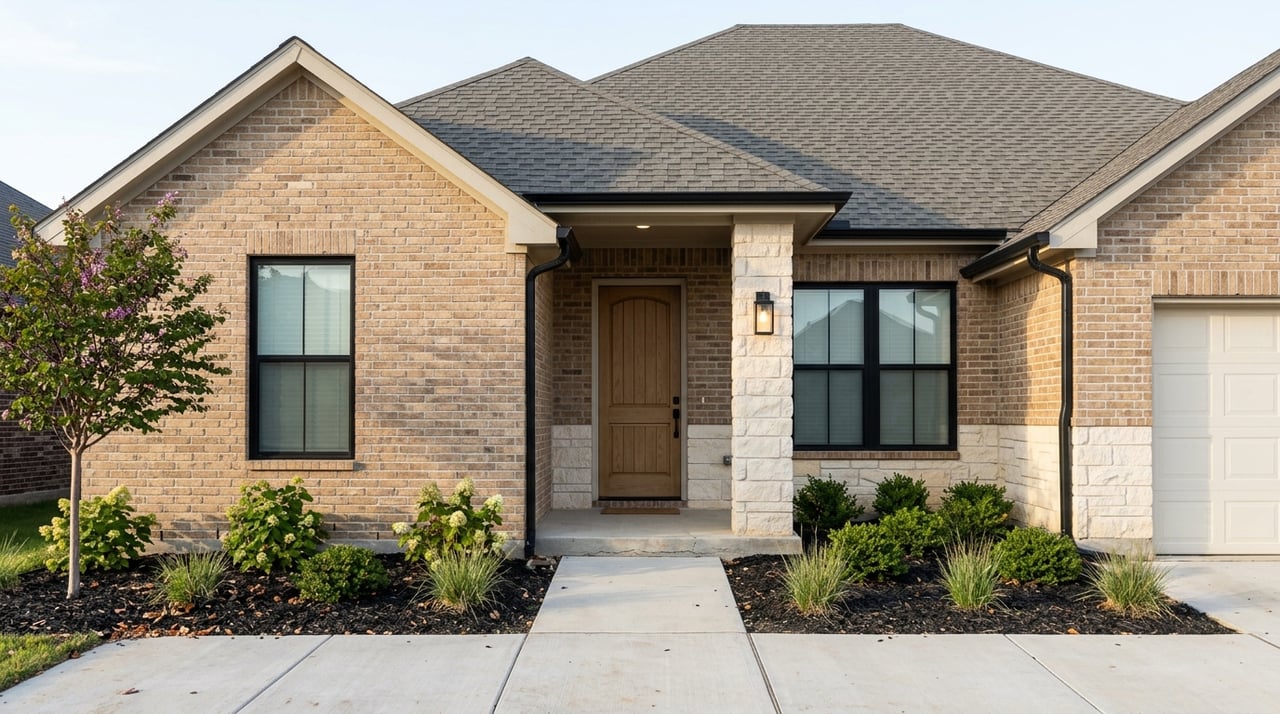
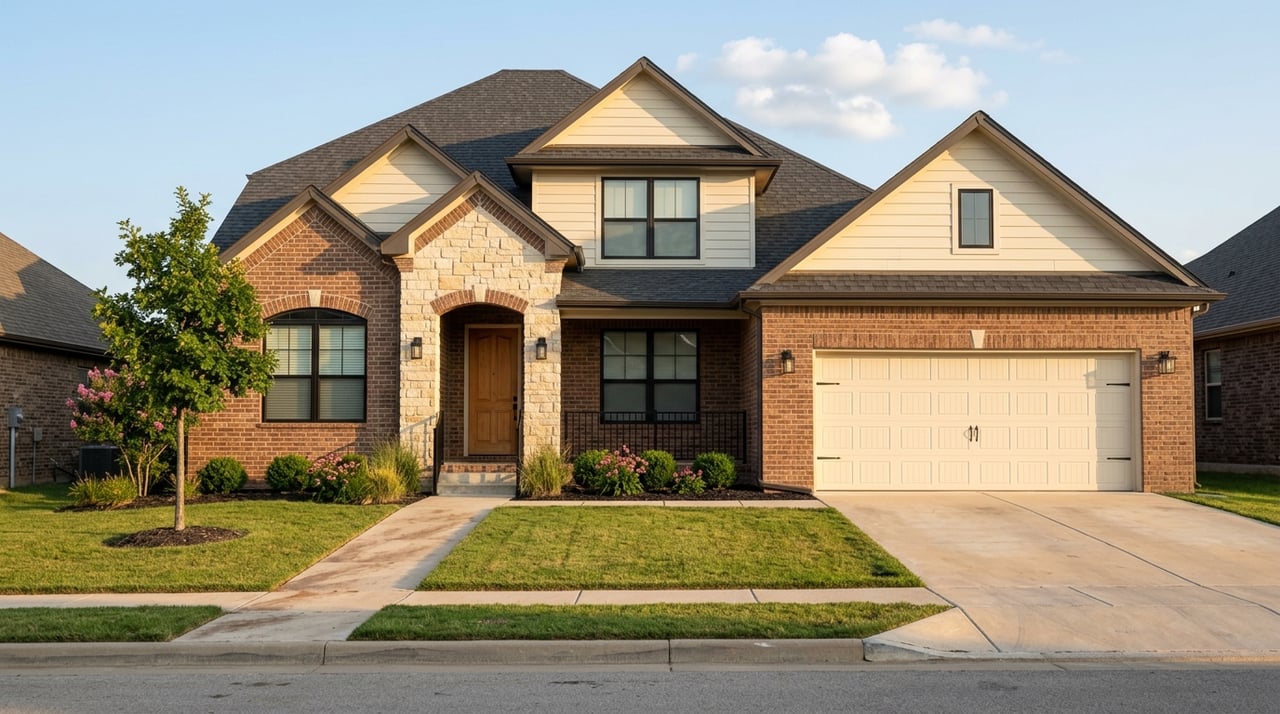
For many buyers, Moore offers a steadier, more residential rhythm. The city’s housing profile shows that most of Moore remains low-density residential, and the majority of housing units are single-family detached homes. Multi-family housing exists, but it is concentrated in only a few areas.
That matters because your daily experience often changes with the built environment. In central OKC, you may be used to a mix of apartments, duplexes, single-family homes, and commercial spaces all close together. In Moore, you are more likely to find neighborhoods built around detached homes, local parks, and car-based routines.
If your goal is more yard space, a more traditional suburban neighborhood layout, or a home style that feels less dense, Moore may line up well with what you want. If you love being close to nightlife, walkable mixed-use areas, and urban convenience, the transition may feel more noticeable.
Moore Home Prices May Surprise You
One of the biggest misconceptions about moving from Oklahoma City to Moore is that Moore will automatically be cheaper. Recent Redfin data for the three months ending April 2026 shows Central Oklahoma City with a median sale price of about $184,931, while Moore was about $234,879 during the same period.
That does not mean Moore is always more expensive in every case, but it does mean you should avoid making assumptions based on city labels alone. A better comparison is usually what you get for the price, including lot size, home style, yard space, and how much detached-home inventory is available.
Homes in both areas were moving at a fairly similar pace, typically in the mid-40-day range. So if you are comparing a move, it helps to focus less on whether Moore is "supposed" to cost less and more on what kind of home and lifestyle you want for your budget.
Housing Styles Are Different
Central Oklahoma City has a mixed housing pattern shaped by older neighborhoods and urban development. City planning materials describe many of these areas as having homes built before the 1930s, along with duplexes, apartments, and other multi-unit forms. Downtown and Midtown also support commercial and residential uses side by side.
Moore’s housing pattern is more clearly suburban. The city identifies most of its housing stock as low-density residential, with a strong emphasis on single-family detached homes. Many neighborhoods date back to the 1960s, and suburban growth accelerated after I-35 was built.
If you are moving from an apartment, condo, duplex, or compact in-town home in OKC, Moore may open up different options. You may find that detached homes and neighborhood layouts are a bigger part of the search. That can be a major plus if you want more separation, more outdoor space, or a home that fits a quieter routine.
Commuting From Moore
Moore’s location is one of its biggest advantages. It sits between Oklahoma City and Norman along I-35, which makes that corridor the main commuting spine for many households. If you work in south Oklahoma City, Norman, or other destinations tied to I-35, Moore can be a practical home base.
At the same time, Moore is largely a car-first community. The city’s 2024 public transportation feasibility study says there is currently no transit service available to the general population, though the city is exploring options like on-demand micro-transit and limited connections. There is also only limited EMBARK fixed-route coverage near northwest Moore.
That is an important difference if you currently rely on a broader mix of transportation choices in central OKC. EMBARK in Oklahoma City operates 23 bus routes, RAPID bus rapid transit, the streetcar, ADA paratransit, and other services. If you want more options for getting around without driving, central OKC generally offers more flexibility.
Is Moore a Better Fit for Drivers?
For many households, yes. If your daily life already revolves around driving to work, school activities, errands, and weekend events, Moore may feel very natural. Its location between OKC and Norman can make those routines more convenient depending on where you need to go most often.
On the other hand, if you value being able to reach restaurants, entertainment, or work with fewer car trips, you may miss the convenience of central OKC. This is one of the biggest quality-of-life differences to think through before you move.
Parks and Recreation in Moore
Moore has a strong city-run recreation system with highly visible community amenities. The city offers a recreation center and aquatic center, a senior citizens center, a sports complex, a dog park, playgrounds, splash pads, and neighborhood parks.
One of the city’s best-known hubs is The Station at Central Park. It includes a fitness area, basketball courts, an indoor walking track, community meeting rooms, and a seasonal aquatic center. For buyers who want community amenities built into everyday suburban life, this is a meaningful part of Moore’s appeal.
Moore’s individual parks also stand out. Central Park is a 51-acre park with an inclusive train-themed playground, an amphitheater, and 1.65 miles of trails. Buck Thomas Park covers 128 acres and includes a dog park, skate park, tennis court, volleyball court, and a 1.3-mile walking trail.
Parmele Park adds another family-friendly option with a forest-themed playground and splash pad. The city also promotes recurring community programming such as Moore Farm Market, Celebration in the Heartland, youth camps, and its Walk the Parks program. According to the city, 10 of Moore’s 13 public parks have walking paths.
How Moore Compares on Amenities
Central Oklahoma City offers a much larger park and amenity network overall. OKC Parks manages more than 170 parks, about 100 miles of trails, 11 community centers, five swimming pools and aquatic facilities, and five sports complexes. The city also reports that 56% of residents live within a half-mile of a park or trail.
So the difference is not that one place has amenities and the other does not. The better way to look at it is this: Moore concentrates recreation into a few civic hubs and neighborhood-focused parks, while central OKC offers a larger, more varied urban network. Your preference depends on whether you want concentrated suburban amenities or broader citywide variety.
Who Usually Likes Moving to Moore?
Moore often appeals to buyers who want a more suburban environment without leaving the Oklahoma City metro. If you are looking for detached homes, neighborhood parks, and easier access to places along I-35, Moore can be a strong fit.
It can also make sense if your routine centers on family schedules, driving to activities, and wanting a home setup that feels more residential than urban. Many buyers are less focused on whether the move is only a few miles south and more focused on how different the home search and daily rhythm can feel.
That said, Moore is not automatically the right choice for everyone. If you love the energy of Midtown, downtown convenience, or a lifestyle less tied to driving, you may want to weigh those tradeoffs carefully before making the jump.
Questions to Ask Before You Move
Before you decide, it helps to ask yourself a few practical questions:
- Do you want a more suburban neighborhood pattern?
- Is detached-home inventory more important than urban convenience?
- Will your commute benefit from being along I-35?
- Are you comfortable with a more car-dependent routine?
- Do parks, splash pads, trails, and civic recreation spaces matter in your day-to-day life?
These questions can quickly clarify whether Moore fits your next chapter better than your current Oklahoma City setup.
If you are comparing homes in Moore with neighborhoods in Oklahoma City, the most helpful approach is to look beyond broad assumptions. Price, layout, home type, commuting style, and recreation access all play a role. The right move is the one that matches how you actually want to live.
If you are ready to compare neighborhoods, home styles, and your options across the metro, Allison Wanjon is here to help you make a confident move with clear, local guidance.
FAQs
Will Moore feel more suburban than central Oklahoma City?
- Yes. Moore’s housing and planning materials show a mostly low-density residential pattern with a strong emphasis on single-family detached homes.
Is Moore cheaper than central Oklahoma City for homebuyers?
- Not automatically. Recent median sale price data showed Central Oklahoma City below Moore, so it is better to compare home type, lot size, and features instead of assuming Moore costs less.
Does Moore have public transit like central Oklahoma City?
- Moore is much more limited on transit today. The city says there is currently no transit service for the general population, aside from limited nearby coverage, while central Oklahoma City has a broader EMBARK network.
Is Moore a good location for commuting in the Oklahoma City metro?
- It can be, especially if your routine involves Oklahoma City, south OKC, or Norman. Moore sits along I-35, which is the main commuting corridor for many households.
What kinds of parks and recreation does Moore offer?
- Moore offers a recreation center, aquatic center, sports complex, dog park, splash pads, playgrounds, trails, and major parks like Central Park and Buck Thomas Park.
What is the biggest lifestyle difference between central Oklahoma City and Moore?
- The biggest difference is usually urban versus suburban living. Central Oklahoma City offers more mixed-use density and broader transit options, while Moore offers a more residential, car-based suburban routine.