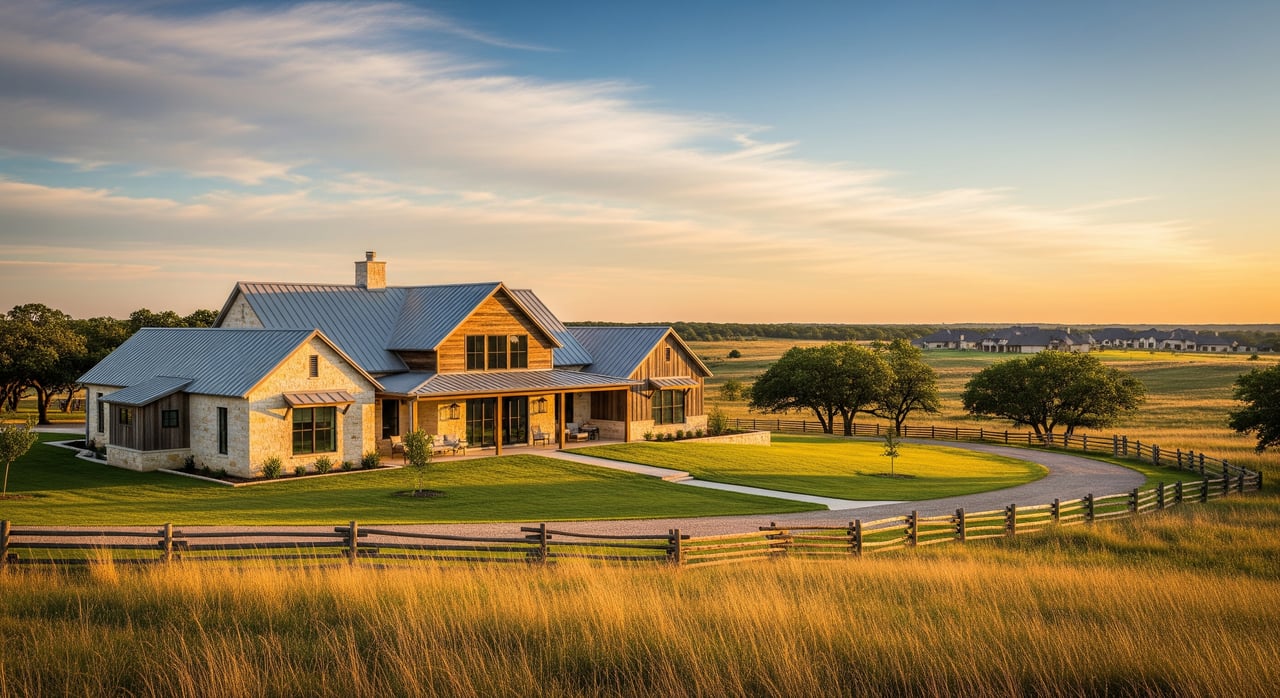
Do you picture morning coffee with only the sound of birds, or evening walks on sidewalks where neighbors wave and kids ride bikes? If you are choosing between acreage and subdivision living in Crescent, you want clarity before you fall in love with a property. In this guide, you will learn how costs, utilities, access, rules, and lifestyle differ so you can match your priorities to the right fit. You will also get a practical checklist to verify key details before you make an offer. Let’s dive in.
Start with location and jurisdiction
Before comparing features, confirm who governs the property. Jurisdiction affects taxes, road maintenance, permits, fire protection, and even utility options. The Crescent area includes parcels inside town limits and parcels in nearby unincorporated areas, so this step comes first.
- Verify the county, whether the parcel is inside city or town limits, and the school district shown on the parcel record.
- Check the fire district, EMS coverage, and the nearest fire station.
- Look for special districts, such as a rural water district or sewer district.
- Pull the parcel’s recorded documents from the County Assessor and County Clerk or Recorder, and review the county GIS map for boundaries, road ownership, and flood zones.
If you plan to compare acreage to a neighborhood house, also gather comparable sales through local MLS data so you can interpret tax values and resale patterns in both settings.
Ongoing costs to budget
Owning acreage often shifts more maintenance and risk to you, while subdivision living usually adds HOA structure and shared standards. Plan your budget with these categories in mind.
Taxes and assessments
Property taxes reflect land plus improvements. Acreage can carry a higher land component, although the per-acre value may be lower if the county uses a rural classification. Subdivision lots tend to follow neighborhood comparables and may reflect the value of municipal services. Review recent tax history, how the county classifies the land, and any use-based exemptions with the County Assessor.
Insurance considerations
Distance to a fire station, access via private roads, and the presence of hydrants can influence home insurance pricing and coverage options. In Oklahoma, wind and hail are common risk factors, and some policies use separate deductibles for those perils. Ask insurers for quotes tied to the exact address, and verify any special deductibles or coverage exclusions.
Maintenance and equipment
Acreage ownership often includes routine work you will either do yourself or hire out. Common items include driveway grading and gravel, mowing and brush control, fence repair, tree and brush removal, and pest or wildlife management. If a well or septic system is present, budget for septic pumping every 3 to 5 years, periodic well service, and potential pump replacement over time. Subdivision lots usually mean smaller yard care and may include HOA landscape standards, which can raise the bar for curb appeal.
One-time project costs
With acreage, large one-time items can include driveway construction, culverts, fencing, tree clearing, erosion control, well drilling, and septic installation. Neighborhood homes typically face connection fees for water and sewer, possible curb or sidewalk assessments, and HOA initiation costs. Review site conditions before committing to projects that may require permits.
Utilities and internet access
Utility availability often drives the real difference between acreage and subdivision living. Confirm each service at the parcel level.
Water and sewer
Many rural parcels rely on private wells and septic systems. Soil type and slope affect septic feasibility and system design, and county health departments typically oversee permitting and inspections. For acreage, request the well log if available, run water quality tests, and obtain septic permits along with the last inspection and pump records. In subdivisions, identify the water and sewer provider and ask about typical monthly rates and any planned infrastructure work.
Power and gas
Electric service to rural homes may come from an electric cooperative or regional utility, often across longer lines that can be more outage prone during storms. Some acreage homes use propane, which adds tank placement and refill scheduling to your to-do list. For any property, confirm utility providers, service reliability, and hookup or extension costs if service is not already on site.
Broadband and cell service
Internet service varies widely on acreage. Subdivisions near town may have multiple high-speed options, including fiber and cable. Rural tracts may rely on DSL, fixed wireless, or satellite, and speeds can vary by location and terrain. Start with broadband coverage maps, then call providers and perform an on-site test with your phone to confirm real-world performance.
Trash and mail
Neighborhoods often have curbside trash and recycling on a regular municipal schedule. Acreage areas may require private hauling or different county pickup routines. Mail service can be via rural route with mailbox placement at the road. Ask sellers or neighbors about current providers and pickup schedules.
Permits and inspections
If a property has or needs a well or septic system, expect oversight from county health or environmental departments and state water authorities. For structures, confirm the building permit process with the municipal or county office that governs the parcel. Keep records of permits and inspections to support resale.
Roads, access, and commutes
The road you travel every day influences cost, convenience, and safety. Understand who maintains each road, how emergency services reach your home, and what your commute looks like at real drive times.
Public vs. private roads
Public roads are typically maintained by the county or town. Private roads are maintained by landowners or an HOA. Read recorded plats and title documents to confirm public versus private status. If access is via private road, request a road maintenance agreement or HOA road fund details, and budget for periodic grading or resurfacing. Driveways are almost always your responsibility, including culverts and drainage.
Emergency response
Fire and EMS response times may be longer in rural areas, and some communities rely on volunteer departments. Hydrants are less common on acreage, which can change firefighting methods and affect insurance pricing. Verify the primary fire department for the address, the nearest station, and any available fire-protection ratings.
Commute reality checks
Rural roads can involve gravel stretches, school buses, farm equipment, and weather impacts. Congestion at town access points and your work location in the Tulsa area will shape your daily drive. Use mapping tools at typical commute hours, then test the route in person. Ask locals about bottlenecks and seasonal issues.
Rules, HOAs, and zoning
Subdivision living usually comes with clear standards and an HOA that enforces them. Acreage may have more freedom, but restrictions can still apply. Read before you sign.
Covenants and HOAs
Subdivisions commonly record covenants that cover appearance, setbacks, accessory buildings, animals, and rental rules. Some acreage tracts also carry recorded restrictions or a landowner association. Request the CC&Rs, HOA bylaws, fee schedules, financials, and recent meeting minutes. Ask about special assessment history and any planned changes.
Zoning and permitted uses
Rural parcels can fall under county rules that may be less complex than city zoning, though floodplain regulations and development standards still apply. Parcels inside municipal limits follow city zoning and building codes. Confirm permitted uses, setback rules, accessory dwelling standards, and home business constraints with the governing planning or zoning office.
Mineral, water, and easements
In Oklahoma, surface and mineral estates are often separate. Title records may show mineral reservations and royalty rights. Water for wells is governed by state rules. Review the title report for mineral reservations and check well records for any limits on water use. Identify all recorded easements, including utilities, pipelines, powerlines, and shared access.
Survey and floodplain
A current boundary survey helps you avoid disputes and place improvements correctly. Use county GIS and FEMA flood resources to check for floodplain influences, then confirm with the survey. If floodplain is present, factor in building constraints and potential insurance requirements.
Lifestyle and resale tradeoffs
Beyond the practical items, think about how you live day to day and how future buyers will view the property.
- Space and privacy vs. convenience and amenities. Acreage offers elbow room, outbuilding potential, and a quiet setting. Subdivisions bring sidewalks, shorter drives to services, and community features.
- Flexibility vs. structure. Acreage may allow more freedom for hobbies and animals, subject to covenants and zoning. Subdivisions offer clear rules that help maintain a consistent neighborhood look.
- Resale audience. Acreage appeals to buyers seeking land and privacy. Subdivisions tend to draw buyers who prioritize convenience and neighborhood amenities. Keep records of maintenance, permits, and upgrades to support resale in either case.
On-site checks and verification
Use this quick checklist when touring properties in Crescent so you leave with the right details.
- Confirm county, city or town limits, school district, and parcel number.
- Obtain the latest property tax bill and 3 to 5 years of tax history.
- Collect recorded plat, deed, covenants, any HOA bylaws, and a preliminary title report.
- Ask for a current boundary survey showing easements and floodplain limits.
- Verify road status and any road maintenance agreement or HOA road fund.
- Identify utility providers for water, sewer, electricity, gas or propane, trash, and broadband; note connection or extension costs.
- For acreage with well and septic: get the well log, water quality results, septic permit, tank age, last pump-out, and system type.
- Walk the driveway and access points; look for drainage issues, culverts, and erosion.
- Test cell reception on your carrier and run a speed test if internet is present.
- Drive the commute at typical hours and ask locals about traffic or seasonal impacts.
- Speak with the local fire department or county emergency management about coverage areas.
- Review zoning and permitted uses with the governing planning office, including accessory structures and home business rules.
How to choose your best fit
If you love the idea of privacy, outbuildings, livestock, or a hobby farm, acreage might be your match. Be prepared for more hands-on maintenance, longer drive times, and self-managed utilities. If you prefer predictable maintenance, neighborhood amenities, shorter commutes, and a clear rulebook, subdivision living likely suits your lifestyle.
A smart approach is to price both options apples to apples. Add up taxes, insurance, utilities, HOA fees, routine maintenance, and likely one-time projects for your short list. Then weigh the lifestyle benefits you value most. Bring your questions and documents to your agent so you can compare with confidence.
Your next step
Whether you are leaning toward a peaceful tract outside town or a friendly Crescent neighborhood, you deserve clear guidance and steady communication at every step. Our team helps you verify records, coordinate well and septic inspections, review covenants, and align your budget with the right property. If you are ready to explore both paths with a local, service-first team, connect with Allison Wanjon. Begin Your Story at Home.
FAQs
What should I verify first for a Crescent acreage property?
- Start by confirming county and city or town limits, pulling the parcel’s tax history and recorded documents, and identifying utility providers plus well and septic records if present.
How do HOAs impact costs in Crescent subdivisions?
- HOAs add recurring dues and may levy special assessments, while providing standards and common-area maintenance; review CC&Rs, fee schedules, financials, and recent meeting minutes.
Who maintains private roads to rural homes near Crescent?
- Private roads are maintained by landowners or an HOA, so request the recorded road maintenance agreement or HOA road fund details and plan for periodic grading or resurfacing.
How can I confirm internet options at a specific Crescent address?
- Use coverage maps as a starting point, then call providers and perform an on-site speed and cell test since real availability and speeds vary by exact location and terrain.
What documents help protect resale value for both acreage and subdivisions?
- Keep a current survey, permits and inspection records, well and septic history if applicable, HOA documents, maintenance logs, and receipts for improvements to support future buyers.